

Apple HomePad 2026: The Smart Home Device You Didn't Know You Needed
Apple has never been shy about reinventing product categories — and if the latest reports are to be believed, the company is about to do it again. The rumored Apple HomePad is generating serious buzz in the tech community, and for good reason. With a purported magnetic snap-to-wall mounting feature, enhanced display capabilities, and a suite of smart home integrations, this device could be the hub that finally makes Apple's HomeKit ecosystem sing.
So what exactly do we know? Let's break down every credible leak, report, and rumor about the HomePad — and figure out whether this is the Apple product you should be saving up for in 2026.
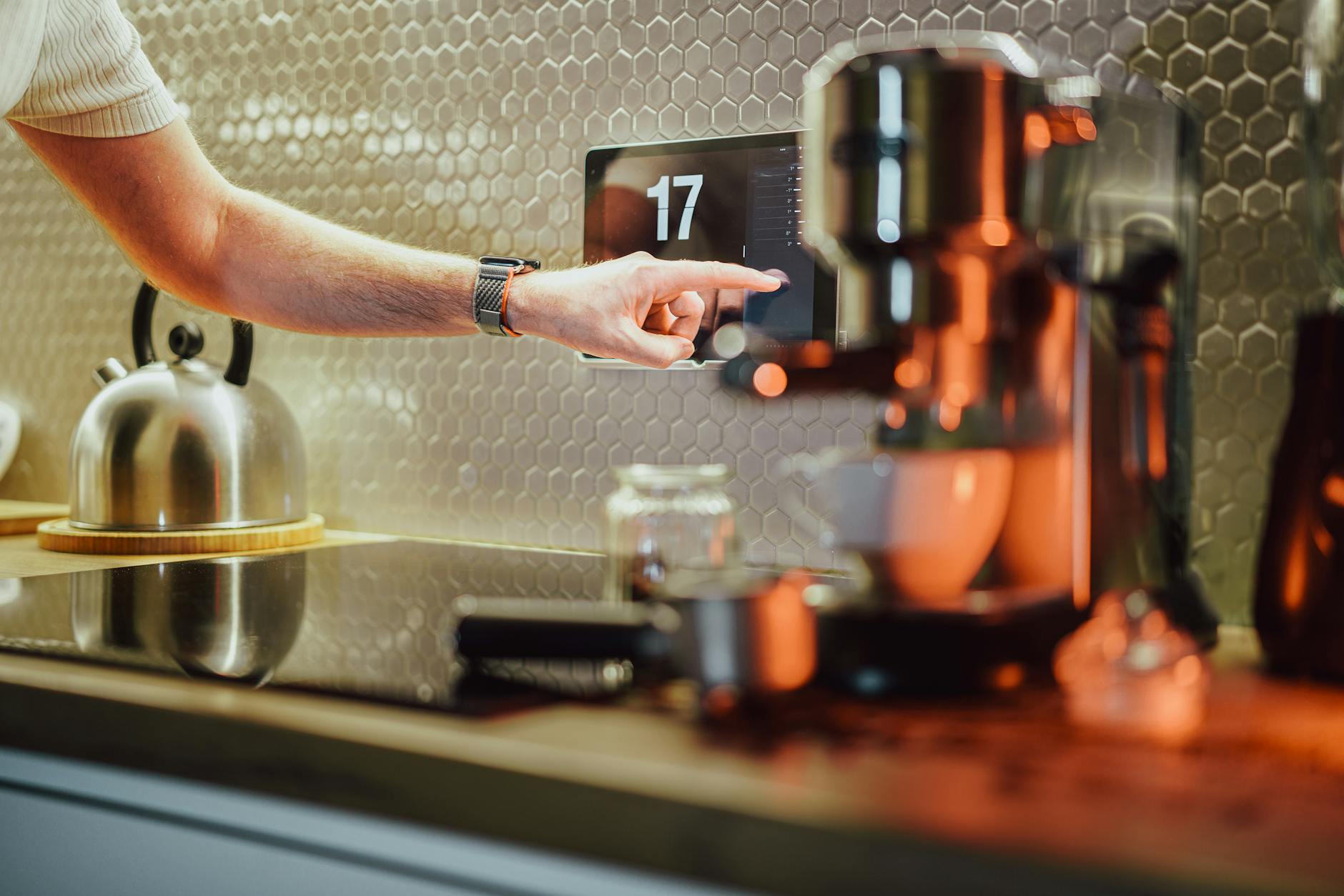
Photo by Jakub Zerdzicki on Pexels | Source
What Is the Apple HomePad?
The Apple HomePad is widely expected to be a wall-mountable smart home display — think of it as Apple's answer to devices like the Amazon Echo Show or Google Nest Hub, but with the premium hardware and deep software integration that Apple fans have come to expect.
According to a report by MacRumors, the HomePad will feature a magnetic snap-to-wall mounting system, allowing users to attach and detach the device from a wall mount with ease. This is a significant design departure from competitors, who typically offer either fully stationary displays or portable tablets with dock accessories.
The magnetic approach suggests Apple is targeting a specific lifestyle niche: people who want a smart home hub that looks beautiful on the wall, but can be picked up and carried to another room when needed. Think kitchen to living room, or bedroom to bathroom — seamless and tool-free.
Key Features We're Expecting
Based on credible reporting from MacRumors and corroborating analysis from the broader Apple rumor ecosystem, here's what we currently expect from the HomePad:
- Magnetic snap-to-wall mount: The headline feature. A clean, Apple-designed mounting bracket that holds the device securely but releases instantly.
- Touchscreen display: Likely in the 6–7 inch range for a tabletop-style device, with possible larger variants.
- Apple Silicon inside: Reports suggest Apple will use a chip from its in-house lineup, though the specific chip generation hasn't been confirmed.
- Deep HomeKit integration: The HomePad is expected to serve as a full-featured HomeKit hub, controlling lights, locks, thermostats, cameras, and more.
- FaceTime and communication features: A front-facing camera for video calls is widely expected.
- Siri as the primary interface: Enhanced Siri capabilities powered by Apple Intelligence are almost certainly part of the package.
- Battery option: Some leaks suggest a version with an internal battery for full portability when detached from the wall.

Photo by Jakub Zerdzicki on Pexels | Source
How Does It Compare to the Competition?
Let's be honest: the smart home display market is not new. Amazon's Echo Show lineup and Google's Nest Hub Max have been around for years and have cultivated loyal user bases. So what makes the HomePad different?
Apple's ecosystem advantage is the most obvious differentiator. If you already own an iPhone, iPad, Mac, Apple Watch, and AirPods, the HomePad will slot seamlessly into your existing setup. FaceTime quality, iMessage integration, Apple Music playback, and iCloud photo access would all work natively — something neither Amazon nor Google can replicate.
The magnetic wall feature is also genuinely novel. Amazon and Google displays are either fixed to a surface or carried around like a tablet, but they lack the satisfying, elegant attachment mechanism Apple appears to be developing. It's a small detail, but it's exactly the kind of thoughtful design decision that turns a useful gadget into a beloved product.
On the flip side, Apple's HomeKit ecosystem, while robust, has historically been more restrictive than Amazon's Alexa or Google's smart home platform in terms of compatible third-party devices. That said, Apple's adoption of the Matter smart home standard has significantly broadened compatibility in recent years.
The 'Ultra' Lineup Expansion
It's worth noting that the HomePad doesn't exist in isolation. Gizmodo recently reported that Apple is working on more high-end 'Ultra' products across multiple categories in 2026. This suggests Apple is in an aggressive expansion phase — pushing into new form factors while simultaneously upgrading its flagship lines.
The HomePad could be one of several new devices that Apple unveils as part of a broader smart home and home hardware push. Analysts have long argued that Apple's home category has underperformed relative to its potential, and the HomePad would represent a serious attempt to change that narrative.

Photo by Matheus Bertelli on Pexels | Source
When Will the Apple HomePad Launch?
Apple has not officially confirmed the HomePad's existence, let alone a release date. However, the volume and specificity of recent leaks — particularly the detailed description of the magnetic mounting mechanism — suggest that the device is in a relatively advanced stage of development.
Most Apple analysts expect a 2026 announcement, potentially at WWDC 2026 in June or at a fall hardware event. Given Apple's typical product cadence, a holiday 2026 release window seems plausible.
Pricing is pure speculation at this point, but given Apple's premium positioning, expect a starting price somewhere in the $299–$499 range depending on configuration.
Should You Wait for the HomePad?
If you're already invested in the Apple ecosystem and have been frustrated by the lack of a proper smart home display from Cupertino, the answer is almost certainly yes, wait. The HomePad appears to be exactly the product that Apple fans have been requesting for years.
If you're not an Apple user or you need a smart home hub right now, the Amazon Echo Show 10 and Google Nest Hub Max remain excellent options in 2026. But if you can hold off, the HomePad promises to be one of the more exciting Apple launches in recent memory.
Apple's ability to take a mature product category and make it feel brand new is one of the company's most consistent superpowers. The magnetic wall feature alone is the kind of "why didn't anyone else think of that?" moment that Apple consistently delivers. Keep an eye on this one — the HomePad could be the device that finally makes your smart home feel complete.
Bottom Line
The Apple HomePad is shaping up to be a genuinely compelling smart home device that goes beyond what Amazon and Google currently offer. With its magnetic snap-to-wall design, Apple Silicon performance, and deep ecosystem integration, it could redefine what a home display looks and feels like. Stay tuned to TrendPlus for all the latest updates as we get closer to launch.
Frequently Asked Questions
What is the Apple HomePad and when is it coming out?
The Apple HomePad is a rumored wall-mountable smart home display with a magnetic snap-to-wall mounting feature. While Apple hasn't officially confirmed it, leaks suggest it could launch sometime in 2026, possibly at WWDC or a fall hardware event.
How does the Apple HomePad's magnetic wall feature work?
According to reports, the HomePad will use a magnetic mounting bracket that allows the device to snap onto a wall mount and detach easily without tools. This lets you use it as a fixed wall display or carry it freely around your home.
How much will the Apple HomePad cost?
Apple has not confirmed any pricing yet. Based on Apple's typical premium positioning and comparable products in the market, analysts expect a starting price in the $299–$499 range, though this is speculative until an official announcement.
Is the Apple HomePad better than Amazon Echo Show?
If you're already in the Apple ecosystem, the HomePad should offer significantly better integration with your iPhone, Mac, and other Apple devices. However, Amazon Echo Show currently has a broader library of compatible third-party smart home devices.
Will the Apple HomePad work with non-Apple smart home devices?
Apple's adoption of the Matter smart home standard means the HomePad should be compatible with a wide range of third-party smart home gadgets, not just Apple-branded products. This significantly expands its real-world usefulness.


