
Iran and the U.S. Return to the Negotiating Table — What's Really Happening
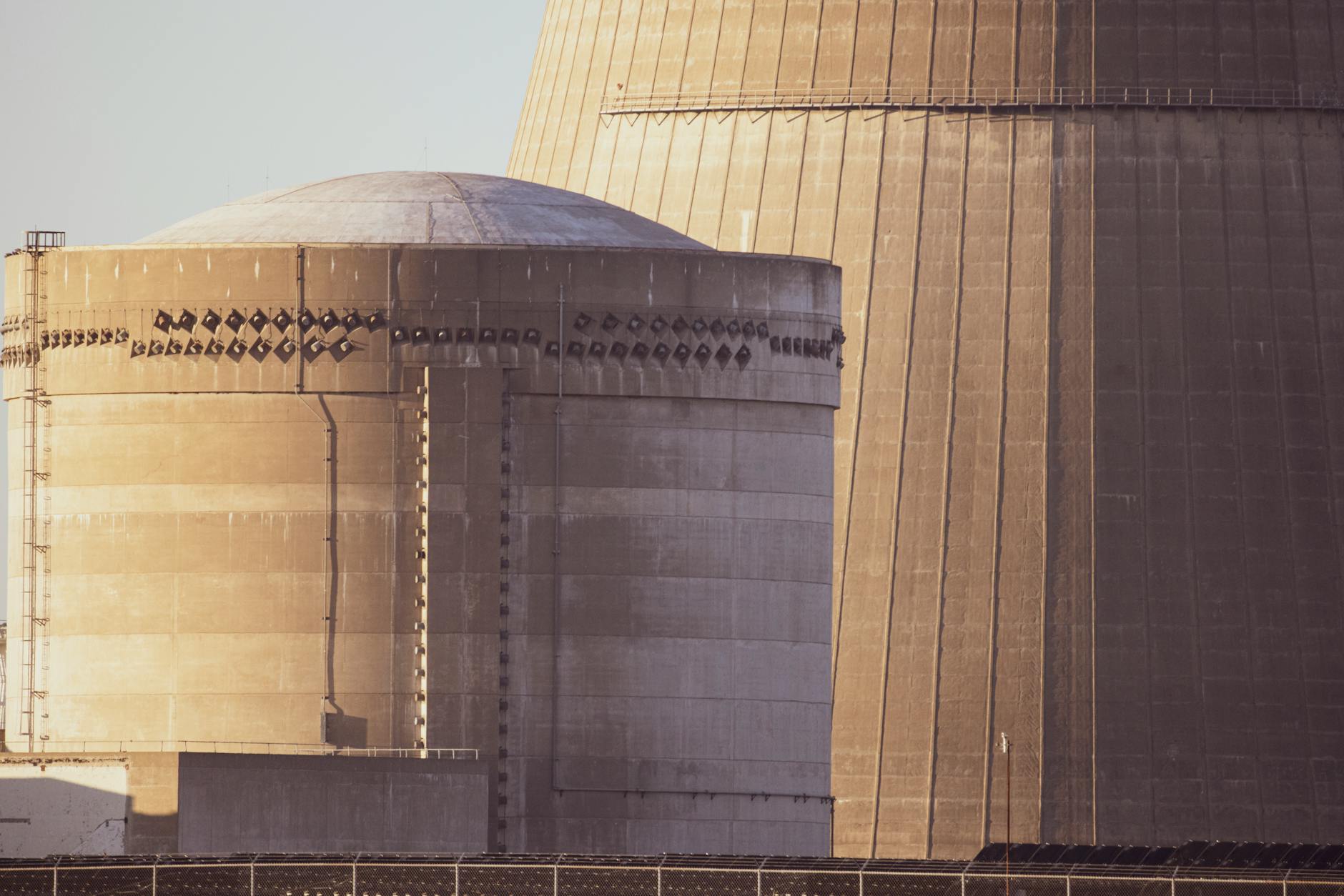
For the first time in years, Iran and the United States have resumed direct nuclear negotiations, according to reporting by The Washington Post published this week. The development marks a significant — if fragile — diplomatic shift as the Trump administration maintains what officials have described as a ticking "war clock" over Tehran's nuclear ambitions. The talks, confirmed by sources familiar with the matter, come against a backdrop of intense geopolitical pressure, rising tensions in the Middle East, and a White House that has made no secret of its readiness to pursue military options if diplomacy fails.
The resumption of these negotiations is being closely watched by governments from Jerusalem to Brussels, and analysts say the outcome could reshape not only U.S.-Iran relations but the broader architecture of Middle Eastern security. Here is what we currently know, based on verified reporting as of February 26, 2026.

Photo by Markus Winkler on Pexels | Source
The Context: Why Now, and What's at Stake
The Trump administration's decision to re-engage Iran at the negotiating table follows months of escalating rhetoric, expanded sanctions, and what The Washington Post describes as a deliberate pressure campaign designed to force Tehran back into a diplomatic framework. Officials cited in the report suggest that Iran's continued uranium enrichment — believed to have reached levels close to weapons-grade — has created a narrow but real window for a negotiated solution before military options are formally placed on the table.
Several key factors are driving this moment:
- Iran's nuclear timeline: Experts widely assess that Iran has accumulated enough enriched uranium to theoretically construct multiple nuclear devices, though weaponization remains a separate and more complex step.
- Regional destabilization: Iran-backed militant activity across the Middle East, including in Yemen, Iraq, and Lebanon, has added urgency to the diplomatic track.
- Trump's stated deadline: Senior White House officials have, according to multiple reports, communicated to intermediaries that the administration's patience has defined limits — a message intended to underscore the seriousness of U.S. intentions.
- Economic pressure on Tehran: Iran's economy continues to suffer under sanctions pressure, with inflation and currency devaluation creating domestic political stress for the government in Tehran.
The talks, according to current reporting, are being facilitated through intermediary channels, with Oman — which has historically played a quiet but effective mediating role between Washington and Tehran — believed to be involved in logistics.
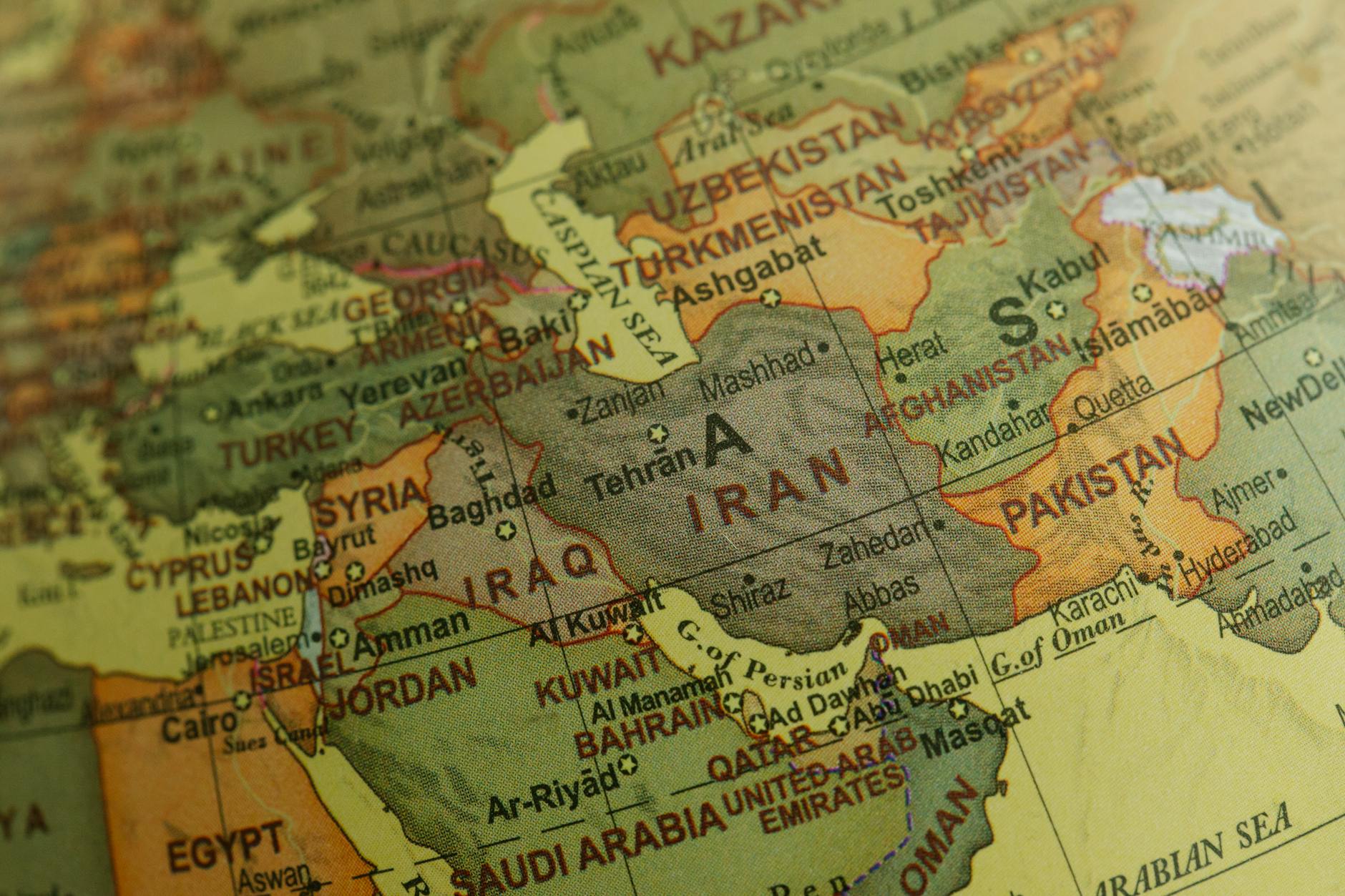
Photo by Lara Jameson on Pexels | Source
What the Trump Administration Is Demanding
Based on available reporting, the U.S. position entering these negotiations is considerably more maximalist than the framework that underpinned the 2015 Joint Comprehensive Plan of Action (JCPOA), which the Trump administration abandoned during its first term. According to The Washington Post, the current administration is seeking:
- A complete halt to uranium enrichment beyond civilian energy levels, with robust international verification
- Dismantlement of key centrifuge infrastructure that would allow rapid "breakout" toward a weapons capability
- Restrictions on Iran's ballistic missile program, which was deliberately excluded from the original JCPOA — a point of long-standing criticism from Republican administrations
- Curtailment of Iranian support for regional proxy forces, linking nuclear diplomacy to broader regional behavior in a way the original deal did not
Iran, for its part, has historically rejected linking its missile program or regional activities to nuclear negotiations, viewing those as separate sovereign matters. Whether Tehran's current economic distress has softened that position remains, according to sources, unclear.
Kim Jong-un, China, and the Broader Geopolitical Picture
The Iran talks do not exist in isolation. Also this week, The New York Times reported that North Korea's Kim Jong-un has signaled a conditional openness to improving relations with the United States — though with significant caveats that stop well short of any commitment to denuclearization. Simultaneously, Reuters published an investigation this week into how China has been masking drone flights in patterns that analysts describe as potential rehearsals for operations around Taiwan.
These parallel developments paint a picture of a world in which multiple nuclear-adjacent flashpoints are active simultaneously, placing extraordinary demands on U.S. diplomatic bandwidth. Critics of the current approach argue that pursuing aggressive timelines on Iran while managing North Korea's signals and monitoring China's Taiwan preparations stretches strategic capacity thin. Supporters counter that projecting resolve across all fronts simultaneously is precisely the point.
Photo by Mathias Reding on Pexels | Source
How Previous Nuclear Deals Have Shaped This Moment
Understanding the current negotiations requires brief context. The 2015 JCPOA, negotiated under the Obama administration, placed verifiable limits on Iran's nuclear program in exchange for sanctions relief. The Trump administration withdrew from that agreement in 2018, reimposing sweeping sanctions under a "maximum pressure" policy. The Biden administration attempted to revive the JCPOA framework through indirect talks but ultimately failed to reach a new agreement before leaving office.
The result of that failed revival is that Iran has had years to expand its nuclear program significantly beyond the limits the original deal imposed. Analysts from institutions including the International Atomic Energy Agency (IAEA) have documented this expansion. The IAEA, which is responsible for international nuclear inspections, has repeatedly flagged access concerns in Iran, with Tehran restricting inspectors from certain facilities.
This means that whatever deal, if any, emerges from current talks would need to address a nuclear program considerably more advanced than the one the 2015 agreement originally constrained — a challenge that experienced nonproliferation experts describe as substantially more difficult than the negotiations of a decade ago.
Domestic Political Dimensions in Both Countries
In the United States, the political landscape around Iran policy remains sharply divided. Congressional Republicans have historically demanded harder lines on Iran, while some have expressed skepticism that any negotiated deal can adequately address the full scope of Iranian behavior. Democrats, for their part, have both defended the original JCPOA's merits and criticized the current administration's approach as simultaneously confrontational and insufficiently structured.
In Iran, President Masoud Pezeshkian, who took office in 2024 after running on a platform that included cautious openness to diplomacy, faces his own hardline domestic critics who oppose any concessions to Washington. Supreme Leader Ali Khamenei, who holds ultimate authority in Iran's political system, has historically treated nuclear negotiating positions as matters of national sovereignty and prestige — making public concessions politically costly in ways that constrain what any Iranian negotiating team can offer.
What Experts Are Saying
Analysts quoted across major publications this week have offered a range of assessments:
- Cautious optimism from some diplomatic veterans who note that even returning to the table is a meaningful signal from both sides
- Deep skepticism from nonproliferation experts who argue the gap between U.S. demands and Iranian red lines remains too wide for a near-term agreement
- Strategic concern from security analysts who warn that a failed negotiation, rather than no negotiation, could accelerate the path to confrontation by creating a record of bad faith that both sides could later cite
One point of near-universal agreement among analysts: the coming weeks and months represent a genuinely consequential window in which the trajectory of Iran's nuclear program — and the risk of military conflict — could shift substantially in either direction.
What to Watch Next
Reporters and analysts tracking these negotiations identify several near-term indicators that will signal whether talks are progressing substantively or stalling:
- Whether higher-level diplomatic contacts are confirmed, moving beyond preliminary channels
- Any IAEA announcements regarding inspection access, which could signal Iranian willingness to de-escalate
- Statements from senior Iranian officials regarding the missile program linkage — a potential early indicator of flexibility or its absence
- Congressional reactions in Washington, which could constrain or complicate the administration's negotiating position
As of February 26, 2026, official confirmation of specific meeting dates or formal negotiating frameworks has not been publicly released by either government. The Washington Post's reporting, sourced to individuals familiar with the matter, represents the most detailed account currently available of a process that both sides appear to be conducting with deliberate opacity.
Frequently Asked Questions
Why have Iran and the US resumed nuclear negotiations in 2026?
According to reporting by The Washington Post, the Trump administration's sustained pressure campaign — including expanded sanctions and stated military readiness — appears to have created conditions under which both sides returned to the table. Iran's advanced uranium enrichment and economic pressures are also cited as contributing factors.
What is the Trump administration demanding from Iran in the nuclear talks?
Based on current reporting, the U.S. is seeking a complete halt to high-level uranium enrichment, dismantlement of key centrifuge infrastructure, restrictions on Iran's ballistic missile program, and limits on Iranian support for regional proxy forces. These demands go significantly beyond what the original 2015 JCPOA required.
What happens if the Iran-US nuclear negotiations fail?
The Trump administration has signaled a readiness to consider military options if diplomacy fails, according to The Washington Post. Analysts warn that a failed negotiation could accelerate the path toward confrontation by exhausting the diplomatic track that currently constrains more drastic action.
How is Iran's nuclear program different now compared to the 2015 JCPOA era?
Since the Trump administration's 2018 withdrawal from the JCPOA and the subsequent failure to revive it under Biden, Iran has significantly expanded its uranium enrichment program. The IAEA has documented Iran enriching uranium to levels close to weapons-grade and has flagged restricted inspector access to certain facilities.
Is Oman involved in mediating the Iran-US nuclear talks?
Oman has historically served as a quiet back-channel intermediary between Washington and Tehran, and current reporting suggests it may again be playing a logistical facilitation role in the 2026 negotiations. Neither government has officially confirmed the specifics of how talks are being structured.


