

OpenAI Signs Deal to Deploy AI Inside the Pentagon's Classified Network
In a move that's sending shockwaves through both the tech world and Washington D.C., OpenAI has officially agreed to deploy its AI models inside the U.S. Department of Defense's classified networks. This isn't just another government contract — it's a landmark moment that signals a fundamental shift in how America plans to use artificial intelligence in national security. If you've been following AI news in 2026, this is one story you absolutely cannot ignore.
The agreement, confirmed by Axios, follows the Pentagon's approval of specific "safety red lines" that OpenAI must adhere to when operating in military environments. Interestingly, this deal came shortly after the Pentagon dropped its partnership with Anthropic — OpenAI's primary rival in the safety-focused AI space — raising serious questions about what this means for the future of responsible AI deployment in high-stakes government settings.
Let's break down the 7 most critical facts you need to understand about this historic agreement.
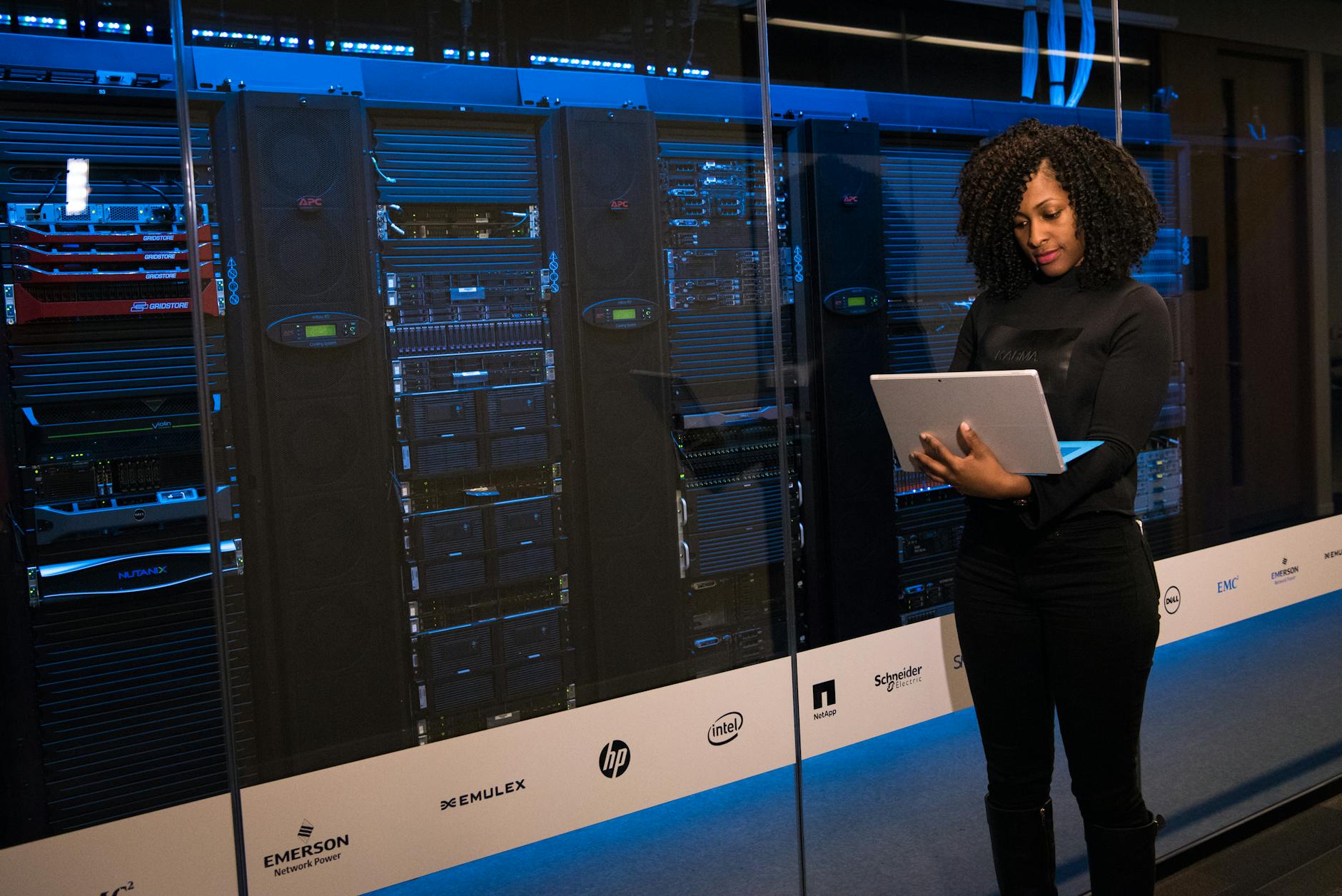
Photo by Christina Morillo on Pexels | Source
1. What Does "Classified Network" Actually Mean?
When we say OpenAI's models are being deployed in the Pentagon's classified network, we're talking about something far more sensitive than your average government IT contract. The U.S. military operates several tiers of classified infrastructure — including systems that handle top-secret intelligence, sensitive compartmented information (SCI), and operational military planning data.
Deploying an AI model inside such a network means OpenAI's technology could theoretically be used to:
- Analyze classified intelligence at speeds no human analyst could match
- Assist with military logistics and planning in real-time operational scenarios
- Process sensitive communications and generate summaries or recommendations
- Support cyber defense by identifying threats within classified systems
This is a dramatic escalation from the kind of productivity tools AI has been used for in government so far.
2. The Pentagon's "Safety Red Lines" — What Are They?
Before signing off on this deal, the Department of Defense reportedly required OpenAI to agree to specific behavioral guardrails — what the Pentagon is calling "safety red lines." While the exact terms remain classified, these guardrails are understood to restrict OpenAI's models from:
- Autonomously initiating any offensive action without human authorization
- Making targeting recommendations without explicit human oversight
- Sharing classified data outside of approved secure channels
This matters enormously. One of the biggest fears around military AI is the risk of autonomous weapons systems making life-or-death decisions without human input. The fact that the Pentagon insisted on these red lines before signing suggests there is at least institutional awareness of those risks — even if critics argue the safeguards don't go far enough.

Photo by Markus Winkler on Pexels | Source
3. Why Did the Pentagon Drop Anthropic for OpenAI?
This is where things get politically interesting. Anthropic — the AI safety company founded by former OpenAI employees — was previously considered a frontrunner for government AI contracts, largely because of its reputation for prioritizing safety and interpretability in AI development.
The decision to pivot toward OpenAI instead raises several questions:
- Is GPT-4o or o3 simply more capable for the specific tasks the Pentagon needs?
- Did OpenAI offer better terms on data security and compliance?
- Is there a political dimension — given OpenAI CEO Sam Altman's more visible relationship with the current administration?
While no official reason has been given for dropping Anthropic, the decision underscores a broader tension in AI policy: capability vs. caution. The military, ultimately, may be prioritizing raw performance over philosophical alignment with AI safety principles.
4. OpenAI's Rapid Government Pivot in 2026
It's worth stepping back to appreciate just how aggressively OpenAI has moved into the government and defense space in 2026. Earlier this year, the company raised $110 billion in a landmark funding round that valued it at approximately $300 billion. With that kind of capital and investor pressure to generate returns, landing major government contracts isn't just a mission statement — it's a business necessity.
OpenAI has also been building out OpenAI for Government, a dedicated product suite that includes enhanced security features, on-premises deployment options, and compliance frameworks designed for federal agencies. The Pentagon deal is arguably the crown jewel of that strategy so far.
For context, defense AI spending in the U.S. has been growing rapidly. The Department of Defense's AI investment has expanded significantly under both the previous and current administrations, reflecting bipartisan agreement that AI superiority is critical to maintaining military dominance — particularly in competition with China.
5. What Does This Mean for AI Ethics and Oversight?
For AI researchers, ethicists, and civil society organizations, this deal is deeply concerning. Here's why:
Lack of transparency: Because the deployment is within classified systems, there is virtually no public oversight of how OpenAI's models are actually being used. We have to trust that the Pentagon's internal safety red lines are sufficient — and that they're being enforced.
Precedent-setting: Once a major AI lab like OpenAI is embedded in classified military operations, it becomes much harder to walk that back. This sets a precedent that other AI companies will feel pressure to follow.
The accountability gap: If OpenAI's model contributes to a flawed intelligence assessment or a problematic operational decision, who is accountable? OpenAI? The Pentagon? The individual analyst who acted on the AI's output?
These aren't hypothetical concerns — they're the kinds of questions that international AI governance bodies have been wrestling with, largely without resolution.

Photo by Tima Miroshnichenko on Pexels | Source
6. How Does This Affect OpenAI's Commercial Reputation?
OpenAI has long positioned itself as a company that takes AI safety seriously — it's literally in the name of the nonprofit structure that originally governed it. But successive decisions, including this Pentagon deal, are leading many observers to ask: Has OpenAI's safety mission taken a back seat to commercial growth?
For enterprise customers — particularly those in healthcare, finance, and education — this question matters. If OpenAI is willing to deploy its models in environments where mistakes could have life-or-death consequences, does that change how you feel about using ChatGPT for your business?
The counterargument, of course, is that working with the government on AI deployment — rather than leaving the field to less safety-conscious competitors — is actually the more responsible path. That's a debate that will continue for years.
7. What Comes Next — and Why You Should Pay Attention
The OpenAI-Pentagon deal is almost certainly not the end of the story. Here's what to watch for in the coming months:
- Congressional oversight hearings on AI in classified military systems
- Potential expansion of the deal to other branches of the intelligence community
- Competitor responses — will Google DeepMind or Meta AI pursue similar contracts?
- International reactions — particularly from China, the EU, and NATO allies
- OpenAI's IPO trajectory — how does a major defense contract affect the company's public offering valuation and regulatory scrutiny?
The intersection of AI and national security is one of the defining issues of our era. Whether you're an investor, a technologist, a policy wonk, or just someone who cares about where this technology is headed, the OpenAI-Pentagon agreement deserves your full attention.
Final Thoughts
The deployment of OpenAI's models inside the Pentagon's classified network is a watershed moment for both the AI industry and U.S. national security policy. It reflects the extraordinary speed at which AI capabilities have matured, the enormous pressure on AI companies to monetize their technology, and the U.S. government's determination to maintain a technological edge in an increasingly competitive geopolitical environment.
Whether this turns out to be a story of responsible innovation or a cautionary tale about moving too fast — that part is still being written. But one thing is clear: AI and warfare are no longer separate conversations.
Stay tuned to TrendPlus for continuing coverage of AI's role in defense, government, and beyond.
Frequently Asked Questions
What is OpenAI's deal with the Pentagon about?
OpenAI has agreed to deploy its AI models inside the U.S. Department of Defense's classified networks, subject to specific safety guardrails approved by the Pentagon. This means OpenAI's technology could be used to assist with intelligence analysis, military logistics, and cyber defense in highly sensitive environments.
Why did the Pentagon drop Anthropic and choose OpenAI instead?
The Pentagon has not officially explained why it moved away from Anthropic in favor of OpenAI. Analysts speculate it could relate to OpenAI's more advanced capabilities, better compliance infrastructure, or commercial and political factors. The switch has raised eyebrows given Anthropic's strong reputation for AI safety research.
What are the safety red lines OpenAI agreed to with the Department of Defense?
The specific terms remain classified, but the Pentagon's safety red lines are understood to prevent OpenAI's models from autonomously initiating offensive actions, making targeting recommendations without human oversight, or sharing classified data outside approved channels. These guardrails are designed to ensure humans remain in control of critical decisions.
Is it safe to use OpenAI products for business now that it has military contracts?
OpenAI's commercial products like ChatGPT operate on entirely separate infrastructure from its government and defense deployments. However, the Pentagon deal does raise broader questions about OpenAI's priorities and governance that some enterprise customers may want to consider when evaluating AI vendors.
How does OpenAI's military deal affect its upcoming IPO?
Landing a major Department of Defense contract could significantly boost OpenAI's revenue prospects and valuation ahead of its anticipated IPO. However, it also introduces regulatory and reputational scrutiny that investors will need to weigh carefully.


