

The Biggest Media Deal of 2026: Paramount and Warner Bros Join Forces
The global entertainment industry is undergoing a seismic shift this week, as Paramount has been confirmed as the frontrunner for a landmark $111 billion takeover of Warner Bros, according to reporting by the BBC. The deal, which follows Netflix's surprise withdrawal from the bidding process, is widely expected to reshape the streaming landscape, consolidate two of Hollywood's most iconic studios, and potentially alter what millions of viewers watch — and how much they pay for it.
For media analysts and entertainment investors alike, the news represents the single largest proposed media merger in recent memory. If completed, the combined entity would control an extraordinary catalogue of intellectual property, from Batman and Superman to Mission: Impossible and SpongeBob SquarePants, positioning it as a direct rival to Disney and a formidable challenger to streaming-first competitors.
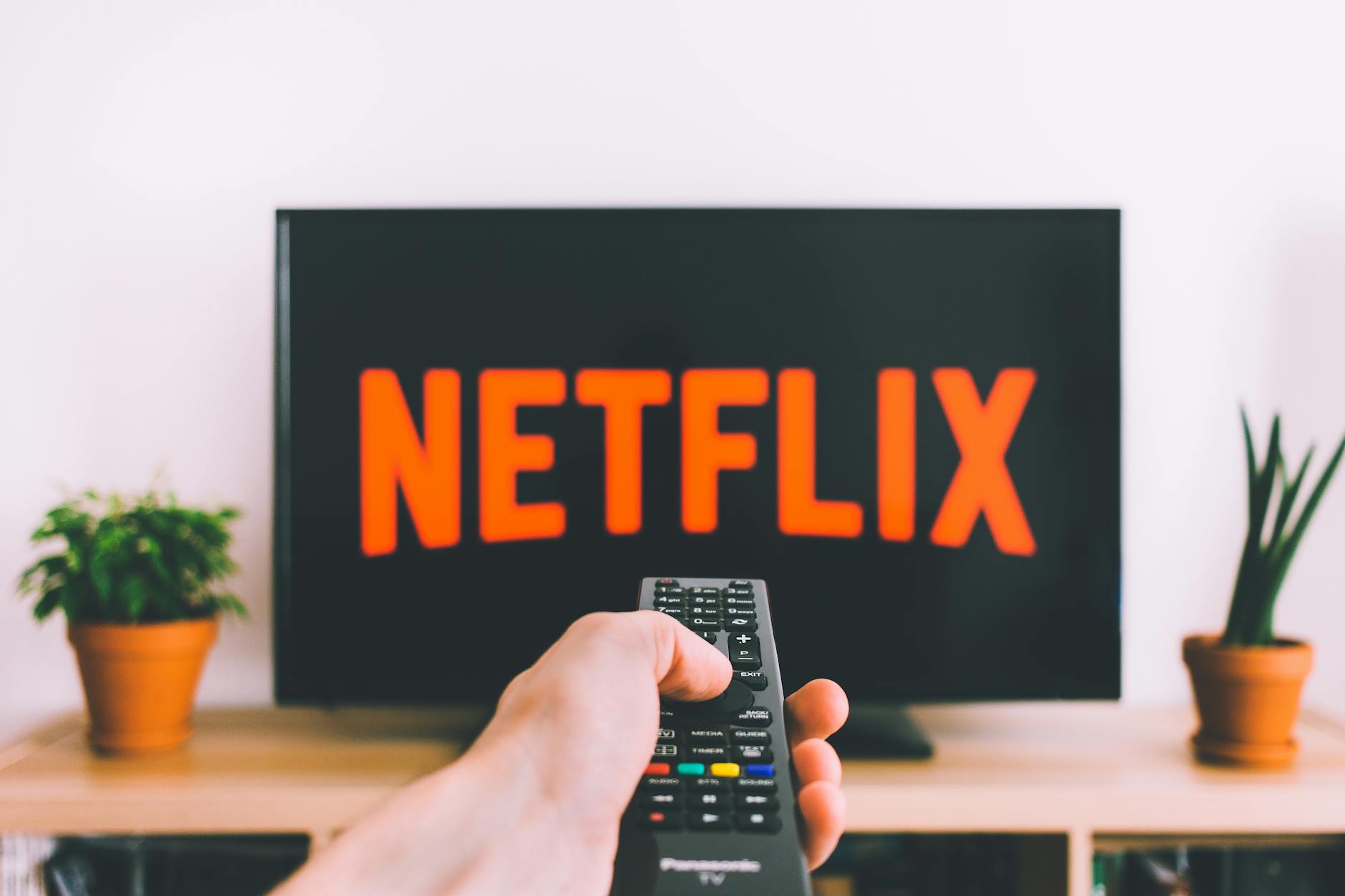
Photo by freestocks.org on Pexels | Source
Why Netflix Walked Away
Netflix's decision to drop its own bid for Warner Bros came as a surprise to many industry watchers who had speculated that the streaming giant — which posted record subscriber growth in 2025 — was best positioned to absorb Warner Bros' sprawling content library and HBO brand. According to reports, Netflix ultimately stepped back from the pursuit, clearing the path for Paramount to advance its offer.
The reasons behind Netflix's exit have not been officially confirmed, but analysts cited in financial media point to a combination of valuation concerns and strategic priorities. Netflix has in recent months demonstrated a preference for organic content investment and live sports rights acquisitions rather than legacy studio consolidation. The company's leadership has consistently emphasized technology and algorithmic personalisation as its competitive moat — a strategy that may not align with absorbing a traditional studio infrastructure of Warner Bros' scale.
Key reasons analysts cite for Netflix's withdrawal:
- Valuation gap between Netflix's internal assessment and asking price
- Preference for live content and sports streaming over legacy IP catalogues
- Regulatory risk associated with a deal of this magnitude in the current U.S. antitrust environment
- Strategic focus on international market expansion rather than domestic consolidation

Photo by Abhishek Navlakha on Pexels | Source
What the $111 Billion Deal Would Create
Should the Paramount-Warner Bros merger proceed, the combined company would represent one of the most powerful media conglomerates in history. Paramount brings to the table its CBS broadcast network, Paramount+ streaming service, Nickelodeon, MTV, Comedy Central, and the storied Paramount Pictures film studio. Warner Bros contributes HBO, Max streaming, CNN, DC Studios, Warner Bros Pictures, and a vast television production arm.
Together, the merged entity would have access to subscriber bases spanning tens of millions of households globally through Paramount+ and Max. According to industry analysts cited in recent coverage, the combined streaming service could emerge as a genuine third-place challenger behind Netflix and Disney+ in the global subscription video-on-demand market.
Combined assets at a glance:
- Streaming: Paramount+ and Max combined into a single platform
- Broadcast: CBS, one of the most-watched U.S. networks
- News: CNN, one of the world's most recognised news brands
- Film: Paramount Pictures and Warner Bros Pictures
- Animation & Kids: Nickelodeon and Cartoon Network
- Premium cable: HBO, MTV, Comedy Central, and more
- Franchises: DC, Star Trek, Transformers, Harry Potter, Scooby-Doo, and hundreds more
The deal would also represent a significant consolidation of linear television assets at a moment when traditional cable and broadcast viewership continues to decline in favour of on-demand platforms — adding urgency to both companies' desire to merge their streaming operations.

Photo by www.kaboompics.com on Pexels | Source
Regulatory Hurdles and Antitrust Scrutiny
Despite the commercial logic driving both sides toward a deal, the merger is not without significant obstacles. A transaction of this size — $111 billion according to the BBC's reporting — would almost certainly trigger intense regulatory review from the U.S. Department of Justice and the Federal Trade Commission, as well as competition authorities in the European Union and United Kingdom.
Under the current administration, the regulatory environment for large-scale media mergers remains uncertain. The Trump administration has taken varied stances on antitrust enforcement, with some sectors seeing relaxed scrutiny while others have faced aggressive challenges. Media consolidation, particularly involving news brands like CNN and broadcast networks like CBS, is likely to attract political attention from both sides of the aisle.
Employee and union concerns are also expected to surface prominently as the deal progresses. Mergers of this scale historically result in significant workforce reductions, particularly in overlapping administrative, technology, and production support functions. Hollywood guilds and writers' unions, already vigilant following the landmark 2023 strikes, are expected to monitor any consolidation closely for its implications on jobs and creative labour agreements.
What This Means for Streaming Subscribers
For everyday viewers and subscribers, the most immediate question is what happens to their existing Paramount+ or Max subscriptions. Industry precedent from prior mergers — such as the earlier combination that created Discovery+ and HBO Max into a single Max platform — suggests that subscribers should expect eventual platform consolidation, potential price adjustments, and a unified content library over a multi-year transition period.
Analysts have also noted that a merged Paramount-Warner Bros entity would have significantly increased leverage in negotiations with cable providers, smart TV manufacturers, and device platforms such as Apple TV and Roku — leverage that could ultimately influence both content availability and pricing strategies for consumers.
What subscribers may expect:
- Gradual merger of Paramount+ and Max into a unified service
- Potential introductory pricing offers during transition period
- Access to broader combined content library
- Possible renegotiation of bundle deals with internet and cable providers
The Broader Consolidation Wave in 2026
The proposed Paramount-Warner Bros deal does not exist in isolation. It is the latest and largest in a series of media consolidation moves that have accelerated through 2025 and into early 2026. Across the industry, traditional studios and broadcasters are grappling with the same fundamental challenge: declining linear television revenues, rising content production costs, and the dominance of Netflix and YouTube in capturing viewer attention and advertising dollars.
For investors, the announcement has added another dimension of volatility to media sector stocks. Broader market conditions — including the AI-driven turbulence noted this week in Asian shares and U.S. equity futures, according to Reuters — have already contributed to an uncertain environment for large-cap entertainment equities.
What is clear from this week's reporting is that the Hollywood landscape of 2026 looks dramatically different from even five years ago, and the Paramount-Warner Bros merger, if completed, would represent the defining media business story of the decade.
FAQ
For readers following this story, key questions remain around regulatory timelines, leadership structure of the merged entity, and the fate of individual brands like CNN and CBS News in any combined company. Official statements from both Paramount and Warner Bros are expected in the coming days as the deal structure is formally confirmed.
Frequently Asked Questions
How much is the Paramount Warner Bros takeover deal worth?
According to BBC reporting, the proposed deal is valued at approximately $111 billion, making it one of the largest media mergers in history. The deal follows Netflix's withdrawal from its own competing bid for Warner Bros.
Why did Netflix drop its bid for Warner Bros?
Netflix has not officially confirmed its reasons for withdrawing, but analysts cited in financial media point to valuation concerns and Netflix's strategic preference for live sports and organic content investment over legacy studio acquisitions. The exit cleared the path for Paramount to advance its offer.
What will happen to Paramount+ and Max if the merger goes through?
Based on industry precedent, the two streaming services would likely be gradually consolidated into a single unified platform over a multi-year transition period. Subscribers may see combined content libraries and potential pricing adjustments during the transition.
Will the Paramount Warner Bros merger face regulatory challenges?
A deal of this scale — $111 billion — will almost certainly face review from the U.S. Department of Justice, the FTC, and potentially European and UK competition authorities. Political attention is also expected given the deal involves major news brands like CNN and CBS.
What content would a merged Paramount and Warner Bros control?
The combined entity would control major franchises including DC Comics, Harry Potter, Star Trek, Transformers, and Scooby-Doo, along with networks CBS, HBO, CNN, Nickelodeon, MTV, and Comedy Central, plus both Paramount Pictures and Warner Bros Pictures film studios.


