
US and Israel Launch Joint Military Strike on Iran as Trump Declares 'Major Combat Operations'
In one of the most significant geopolitical developments of 2026, the United States and Israel have launched a coordinated military strike against Iran, according to reports from BBC News published within the past 24 hours. President Donald Trump confirmed the operation is underway, stating that "major combat operations" have begun — marking what analysts are already calling a watershed moment in Middle Eastern history and global security.
The strike represents a dramatic escalation of tensions that have been building for months between Washington, Tel Aviv, and Tehran. According to BBC reporting, the operation is active and ongoing, with officials from both the US and Israeli governments confirming their joint participation in what appears to be a coordinated, large-scale military campaign.

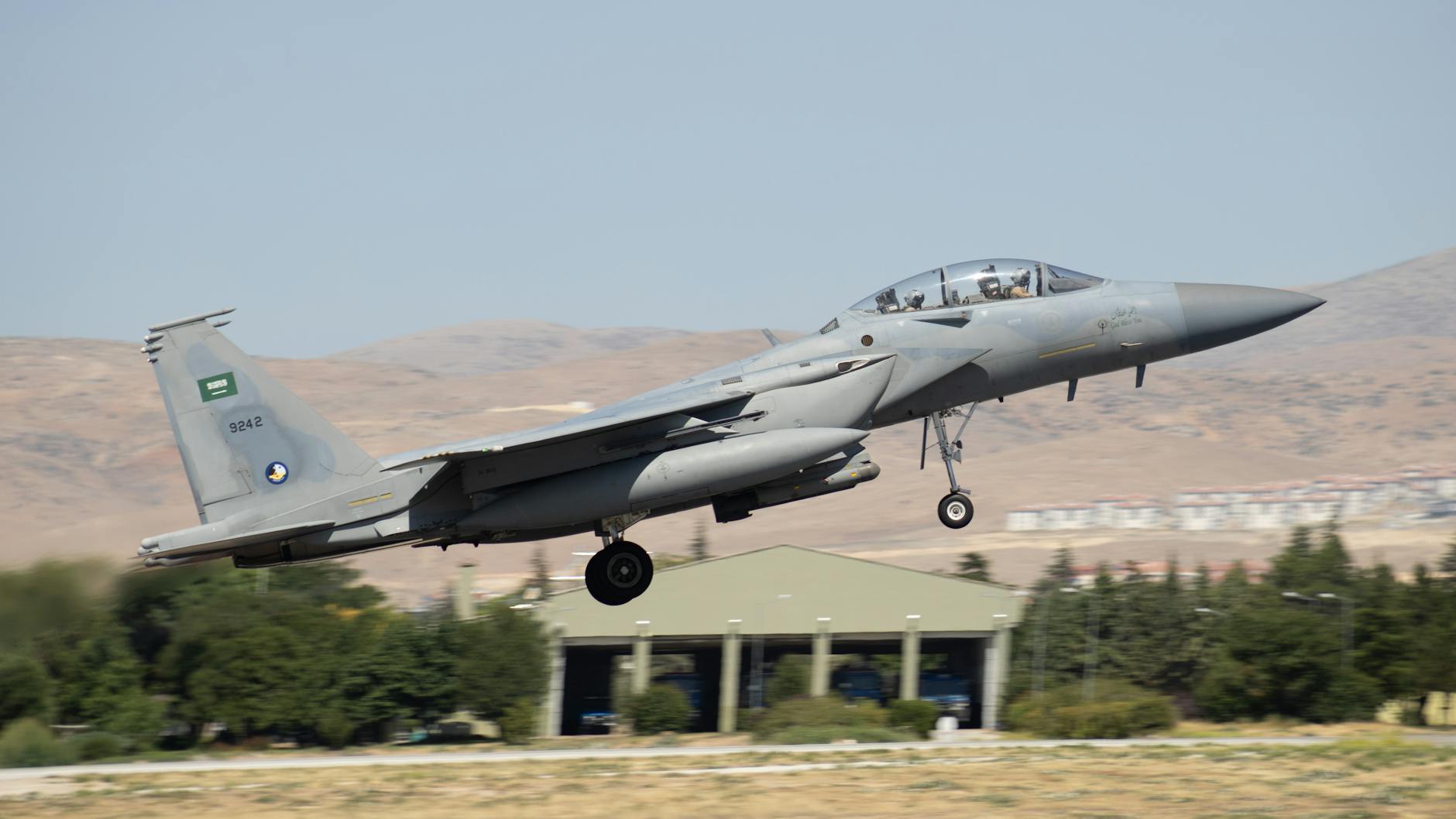
Photo by Diogo Miranda on Pexels | Source
What We Know About the Strike So Far
Based on verified reporting from BBC News and The Guardian, here is what has been confirmed:
- Trump publicly announced the operation in terms that suggest this is not a limited airstrike but a broader military engagement
- Israel is participating as a co-belligerent alongside US forces, marking a significant deepening of the bilateral military alliance
- The White House has characterized the operation as targeting what officials describe as Iranian military infrastructure, though specific target details remain limited in initial reports
- Trump advisers, according to The Guardian, were reportedly scrambling to justify the possible military intervention in the days leading up to the strike, suggesting the decision was made under significant internal debate
- According to Politico, the White House was simultaneously doing damage control on trade deals following a recent Supreme Court ruling, indicating the administration is managing multiple high-stakes fronts simultaneously
The Guardian reported that Trump's national security advisers were working to build a legal and strategic rationale for the intervention, a detail that raises questions about how thoroughly the operation was planned at the highest levels before being executed.

Photo by Yunus Erdogdu on Pexels | Source
Global and Regional Implications
The immediate consequences of a US-Israel joint strike on Iran are expected to ripple across multiple domains — military, diplomatic, economic, and humanitarian.
Oil Markets and the Global Economy
Iran is a significant oil-producing nation and sits astride the Strait of Hormuz, through which roughly 20% of the world's oil supply passes. Any sustained military conflict in the region carries substantial risk of disrupting global energy markets. Financial analysts and energy experts have long warned that a direct US or Israeli strike on Iran could send oil prices sharply higher in a short period, with cascading effects on inflation and economic growth worldwide.
The Dow Jones and broader equity markets, already under pressure from other policy developments this week — including Trump's move to blacklist Anthropic AI from government contracts, as reported by Axios — face an additional layer of uncertainty from the military escalation.
Diplomatic Fallout
The strike is likely to have far-reaching diplomatic consequences. Russia and China, both of which maintain significant economic and strategic ties with Iran, are expected to respond critically. European allies, many of whom have spent years attempting to preserve diplomatic frameworks with Tehran, may find themselves in a difficult position regarding their relationships with Washington.
According to The Guardian's reporting, Trump advisers were specifically working to frame the intervention in terms that could justify it to international partners, suggesting the administration anticipated significant diplomatic pushback.
Iran's Potential Response
Iran has consistently warned over recent years that any direct military strike on its territory would trigger a significant response. The scope and nature of Tehran's reaction — whether through direct military retaliation, activation of proxy forces across the region, or cyber operations — remains one of the most closely watched variables in the coming hours and days.
Iranian-backed forces operate across Lebanon (Hezbollah), Yemen (Houthi movement), Iraq, and Syria. Any escalatory response through these networks could rapidly widen the conflict beyond a bilateral US-Iran exchange.

Photo by Julien Goettelmann on Pexels | Source
The Political Context in Washington
The decision to launch military operations against Iran comes at a particularly complex moment in US domestic politics. The Trump administration is simultaneously:
- Managing congressional and legal challenges related to executive authority on trade deals, following a Supreme Court ruling that Politico reports prompted White House damage control efforts
- Facing scrutiny over the blacklisting of Anthropic AI from government work, a move that has rattled tech sector investors and raised questions about the administration's approach to AI procurement
- Dealing with ongoing legal battles and policy disputes on immigration, including the high-profile death of a blind refugee in New York after being released by immigration authorities, as reported by BBC News
The timing of the Iran strike — amid this swirl of domestic controversies — has drawn immediate commentary from political observers across the spectrum.
What Experts Are Watching
Security analysts and foreign policy experts, based on public statements and prior commentary in established outlets, are focused on several key indicators in the hours and days ahead:
- The scale of initial damage to Iranian military and nuclear infrastructure, which will determine the likely scope of Iran's response
- Congressional reaction, including whether lawmakers from both parties demand a formal authorization for the use of military force
- Allied coordination — whether NATO partners and Gulf state allies were briefed before the strike and how they publicly respond
- Iranian Supreme Leader Ayatollah Khamenei's public statement, which is expected to signal Tehran's intended response trajectory
- Oil price movements in Asian and European markets when they open, which will offer the first real-time economic read on how global markets are absorbing the news
The situation remains fluid and actively developing. TrendPlus will continue to report on verified developments as they emerge from credible news organizations covering the strike.
Why This Moment Is Different
Previous confrontations between the US and Iran — including the 2020 killing of General Qasem Soleimani, attributed to a US drone strike — were discrete, targeted operations. The language used by President Trump in the current instance, specifically referencing "major combat operations," suggests a qualitatively different scale of military engagement.
The joint nature of the operation with Israel is also notable. While the US and Israel have long coordinated on intelligence and regional security, a publicly acknowledged joint military strike against a nation-state of Iran's size and military capacity represents a significant escalation in the formal military partnership between the two countries.
According to BBC News, live reporting on the situation continues as details emerge from both US and Israeli government sources, as well as from the region itself. The international community is watching closely, and the coming 72 hours are expected to be critical in determining whether this escalates into a broader regional war or whether diplomatic channels can be opened in parallel with the military campaign.
Frequently Asked Questions
Why did the US and Israel strike Iran in 2026?
According to BBC News reports, the US and Israel launched a joint military strike on Iran with President Trump declaring 'major combat operations' underway. The administration cited security objectives, though Trump advisers were reported by The Guardian to have been scrambling to publicly justify the intervention in the days before the attack.
What does 'major combat operations' mean in the context of the Iran strike?
Trump's use of the phrase 'major combat operations' signals this is not a limited, targeted airstrike but a broader, sustained military campaign. The phrase echoes historical US military language used to describe large-scale engagements, distinguishing this from the type of discrete operations seen in previous US-Iran confrontations.
How could the US-Israel Iran strike affect oil prices?
Iran is a major oil producer and controls access to the Strait of Hormuz, through which approximately 20% of the world's oil supply passes. A sustained military conflict in the region carries a significant risk of disrupting global oil markets, potentially driving prices higher and increasing inflation pressure worldwide.
What is Iran expected to do in response to the US-Israel attack?
Iran has consistently warned that any direct military strike on its territory would trigger a significant response. Potential responses include direct military retaliation, activation of proxy forces across the region including Hezbollah in Lebanon and Houthi forces in Yemen, and possible cyber operations targeting US and Israeli infrastructure.
Did Congress authorize the US military strike on Iran?
Based on current reporting, there is no indication that Congress passed a formal Authorization for the Use of Military Force (AUMF) before the strike was launched. This is expected to become a significant point of political and legal debate in the coming days, with lawmakers from both parties likely to weigh in on executive authority.


