
Apple's New C1X Chip: 3 Game-Changing Advantages in 2026
Apple has never been shy about controlling its own destiny when it comes to silicon — and the new C1X chip is the latest proof that the company isn't slowing down anytime soon. Quietly introduced alongside the latest wave of Apple products in early 2026, the C1X is already generating serious buzz among tech enthusiasts, developers, and everyday users alike. But what exactly makes this chip different? And more importantly, why should you care?
In this deep dive, we break down the three standout advantages that Apple's C1X chip brings to the table — and why they matter for your next Apple device purchase.

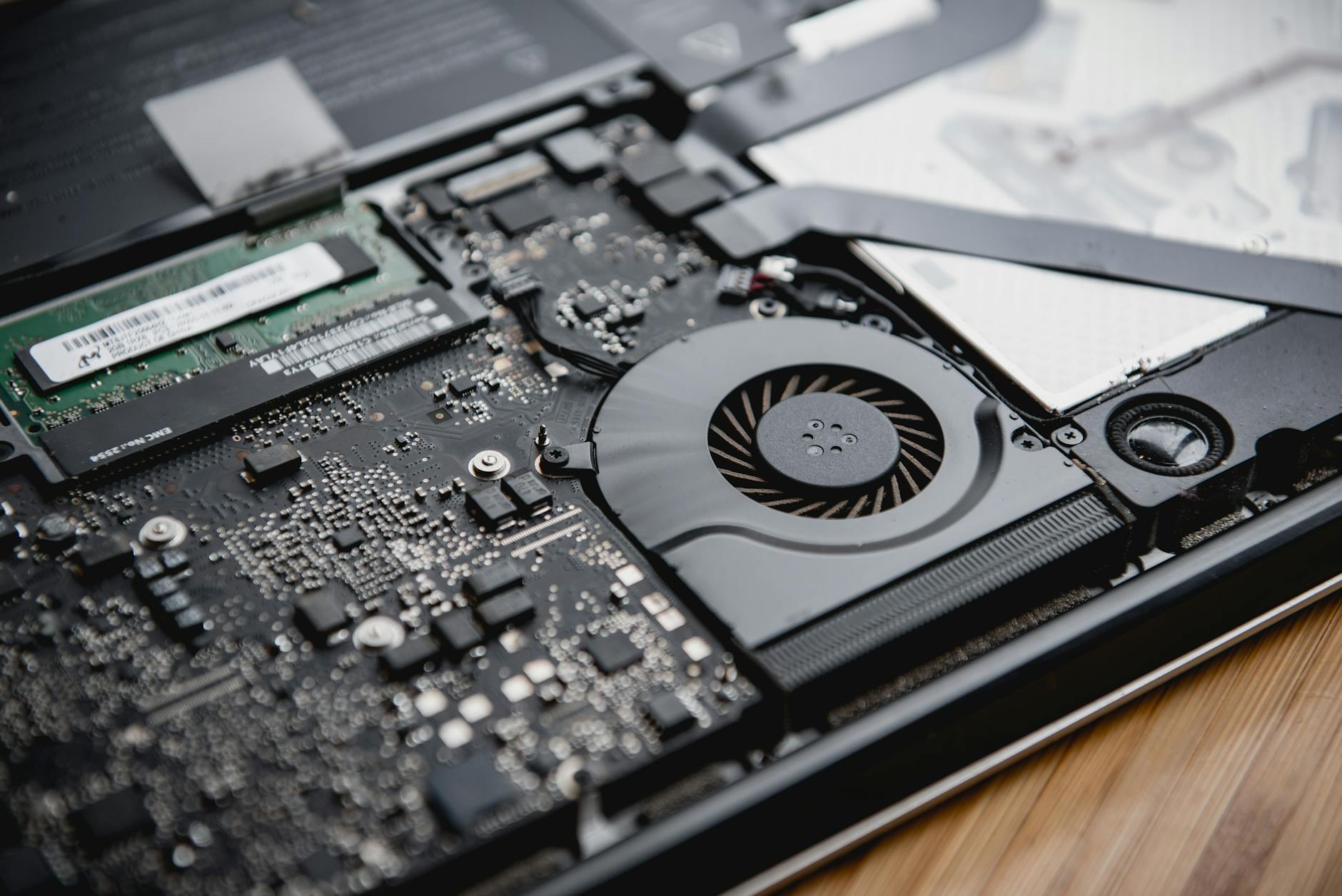
Photo by Lê Mạnh Tuấn on Pexels | Source
What Is the Apple C1X Chip, and Why Does It Exist?
Before jumping into the advantages, it's worth understanding where the C1X fits in Apple's increasingly complex silicon ecosystem. Apple already has its world-class M-series chips (for Mac performance) and A-series chips (for iPhone and iPad). So where does C1X come in?
The C1X is Apple's custom cellular and connectivity chip — a successor to the original C1 introduced with the iPhone 17e. Think of it as the brain dedicated entirely to managing how your device communicates with the outside world: cellular networks, Wi-Fi, Bluetooth, and satellite connectivity. Rather than relying on third-party modems (Apple famously used Qualcomm for years), the C1X represents Apple's push to own every layer of the hardware stack.
This is a massive deal. Here's why.
Advantage 1: Smarter, More Efficient Cellular Connectivity
One of the most immediate benefits of the C1X chip is dramatically improved cellular performance with lower power consumption. Apple's in-house modem design allows the C1X to be deeply integrated with the rest of the chip architecture in a way that third-party modems simply cannot be.
What does that mean in practice for you?
- Better battery life on cellular connections: Because the C1X handles radio management more efficiently, your iPhone or MacBook spends less energy maintaining a signal — even in low-coverage areas.
- Faster 5G switching: The chip is designed to intelligently switch between 5G Sub-6GHz and mmWave bands with less latency, giving you more consistent speeds in real-world environments (not just lab benchmarks).
- Improved signal in fringe areas: Apple has reportedly optimized the C1X's antenna integration, meaning better reception in places where your old device used to drop calls or struggle with data.
For anyone who travels frequently, works remotely, or lives in an area with spotty coverage, this is a tangible, day-to-day upgrade — not just a spec sheet number.

Photo by Image Hunter on Pexels | Source
Advantage 2: Enhanced Satellite and Emergency Connectivity
Apple has been expanding its satellite connectivity features since the iPhone 14, and the C1X takes this capability to a new level. With the C1X chip, Apple devices gain faster satellite connection handshakes and broader satellite protocol support — essentially making emergency SOS and messaging features more reliable and quicker to activate.
Here's what's notable about this advancement:
- Reduced connection time: Previous satellite features sometimes required you to hold your phone in a specific direction for 30 seconds or more. The C1X is engineered to shorten that window significantly.
- Broader use cases: While emergency SOS was the flagship satellite feature at launch, the C1X architecture appears designed to support two-way satellite messaging more broadly — a capability competitors like Qualcomm have been chasing too.
- Military and enterprise applications: For professional users in remote industries — oil and gas, maritime, field research — this improvement in satellite robustness is a legitimate value proposition, not just a consumer novelty.
As more of the world's population depends on devices for emergency communication, having a chip purpose-built for reliable connectivity (even without cell towers) is a genuine safety advantage.
Advantage 3: Tighter Privacy and Security at the Hardware Level
Perhaps the most underrated — and most important — advantage of the C1X chip is what it does for your privacy and security. Because the modem and connectivity stack are now fully under Apple's control, the company can implement security at a hardware level that wasn't possible when using a third-party modem.
Specifically, the C1X enables:
- Isolated baseband processing: The cellular modem runs in a secure, sandboxed environment that is far harder for malicious actors to exploit. This is critical given recent reports — including from WIRED — about government-grade iPhone hacking toolkits falling into criminal hands.
- End-to-end hardware attestation: The C1X can verify the integrity of the device's connection stack, making it harder for man-in-the-middle attacks to intercept data at the modem level.
- Faster security patches: Because Apple owns the modem firmware, it no longer needs to wait for a third-party vendor to issue updates. Security vulnerabilities in the connectivity stack can be patched in Apple's own update cycle — much faster than before.
In a world where digital threats are increasingly sophisticated and state-sponsored hacking is a real concern, owning your hardware security stack from top to bottom is not a luxury — it's a necessity.

Photo by Pixabay on Pexels | Source
Which Apple Devices Feature the C1X Chip?
As of early 2026, Apple has begun rolling out the C1X chip across its newest product lineup. Based on current announcements and 9to5Mac reporting, the chip is expected to appear in:
- iPhone 17 series (with broader integration than the C1 found in iPhone 17e)
- Next-generation MacBook Air and MacBook Pro models with cellular options
- Potentially future iPad Pro configurations with built-in cellular
If you're shopping for a new Apple device in 2026, checking whether it includes the C1X (rather than the original C1 or a legacy Qualcomm modem) is worth doing before you commit to a purchase.
Should the C1X Chip Influence Your Buying Decision?
Honestly? Yes — especially if connectivity matters to you. The C1X isn't a gimmick or a minor spec bump. It represents Apple completing the final piece of its custom silicon puzzle. For years, the modem was the one component Apple couldn't control, and critics often pointed to Qualcomm dependency as a weakness.
That era is over.
If you're a power user, a frequent traveler, someone who relies on your device in remote areas, or simply someone who values privacy and security, the C1X chip is a compelling reason to consider Apple's latest hardware over previous generations or competing devices.
For more casual users, the benefits will still be noticeable — better battery life and fewer dropped connections are things everyone appreciates — but they may not feel as dramatically transformative.
The Bottom Line
Apple's C1X chip is the kind of under-the-hood improvement that doesn't grab headlines the way a new camera design or a thinner body does — but it may ultimately matter more to how your device performs day to day. Smarter cellular efficiency, expanded satellite connectivity, and stronger hardware-level security are three advantages that compound over time, making every call, every download, and every emergency moment work better.
In a tech landscape obsessed with flashy features, the C1X is Apple quietly proving that the best improvements are sometimes the ones you barely notice — because everything just works.
Frequently Asked Questions
What is the Apple C1X chip and what does it do?
The Apple C1X is Apple's custom-designed cellular and connectivity chip, built to replace third-party modems like those from Qualcomm. It manages cellular, Wi-Fi, Bluetooth, and satellite connectivity directly within Apple's own silicon ecosystem, enabling better performance and tighter security integration.
Which Apple devices have the C1X chip in 2026?
As of early 2026, the C1X chip is being introduced across Apple's newest iPhone 17 series and select MacBook models with cellular capability. It's an evolution of the original C1 chip that debuted in the iPhone 17e.
Is the Apple C1X chip better than Qualcomm modems?
Apple's C1X offers key advantages over Qualcomm modems in terms of power efficiency, security integration, and faster software updates, because Apple controls the full hardware-software stack. However, Qualcomm still has a strong track record in raw 5G performance benchmarks, so real-world comparisons are ongoing.
Does the C1X chip improve iPhone battery life?
Yes — one of the primary benefits of the C1X chip is more efficient power management for cellular connections. By integrating the modem directly with Apple's architecture, the chip reduces energy waste when maintaining a signal, particularly in areas with weaker coverage.
How does the C1X chip improve privacy and security?
The C1X runs cellular baseband processing in a secure, sandboxed environment, making it significantly harder for attackers to exploit the modem layer. Because Apple now owns the firmware, security vulnerabilities can also be patched faster without waiting for third-party vendors.


