

At Least 2 Dead After Austin, Texas Bar Shooting — FBI Investigating Potential Terrorism Link
A deadly shooting at a bar in Austin, Texas, has left at least two people dead and prompted a federal terrorism investigation, according to reports from CBS News published in late February 2026. The Federal Bureau of Investigation has confirmed it is probing a "potential nexus to terrorism" in connection with the attack, elevating what might otherwise have been treated as a local violent crime into a matter of national security concern. The incident has sent shockwaves through the Austin community and raised urgent questions about domestic security at a time when geopolitical tensions — particularly surrounding the ongoing U.S.-Iran conflict — are running at historic highs.

Photo by Elsie Soto on Pexels | Source
What We Know About the Austin Bar Shooting
According to CBS News reporting, the shooting occurred at a bar in Austin, Texas, resulting in the deaths of at least two individuals. Local law enforcement responded to the scene before federal authorities became involved. The FBI's decision to open a parallel investigation centered on a potential terrorism link marks a significant escalation in how the case is being treated by authorities.
While specific details about the suspect or suspects remain limited in confirmed public reporting, the FBI's involvement signals that investigators believe there may be ideological or organized motivations behind the attack beyond a standard criminal incident. Key confirmed facts as of the time of reporting include:
- At least 2 people killed in the shooting
- The incident took place at a bar in Austin, Texas
- The FBI is investigating a "potential nexus to terrorism," according to CBS News
- Local law enforcement is cooperating with federal investigators
- No specific group has been officially named in connection with the attack based on available reporting
Authorities have not yet released a full public accounting of suspect details, motivations, or affiliations, which is standard practice during an active federal terrorism investigation to avoid compromising the probe.
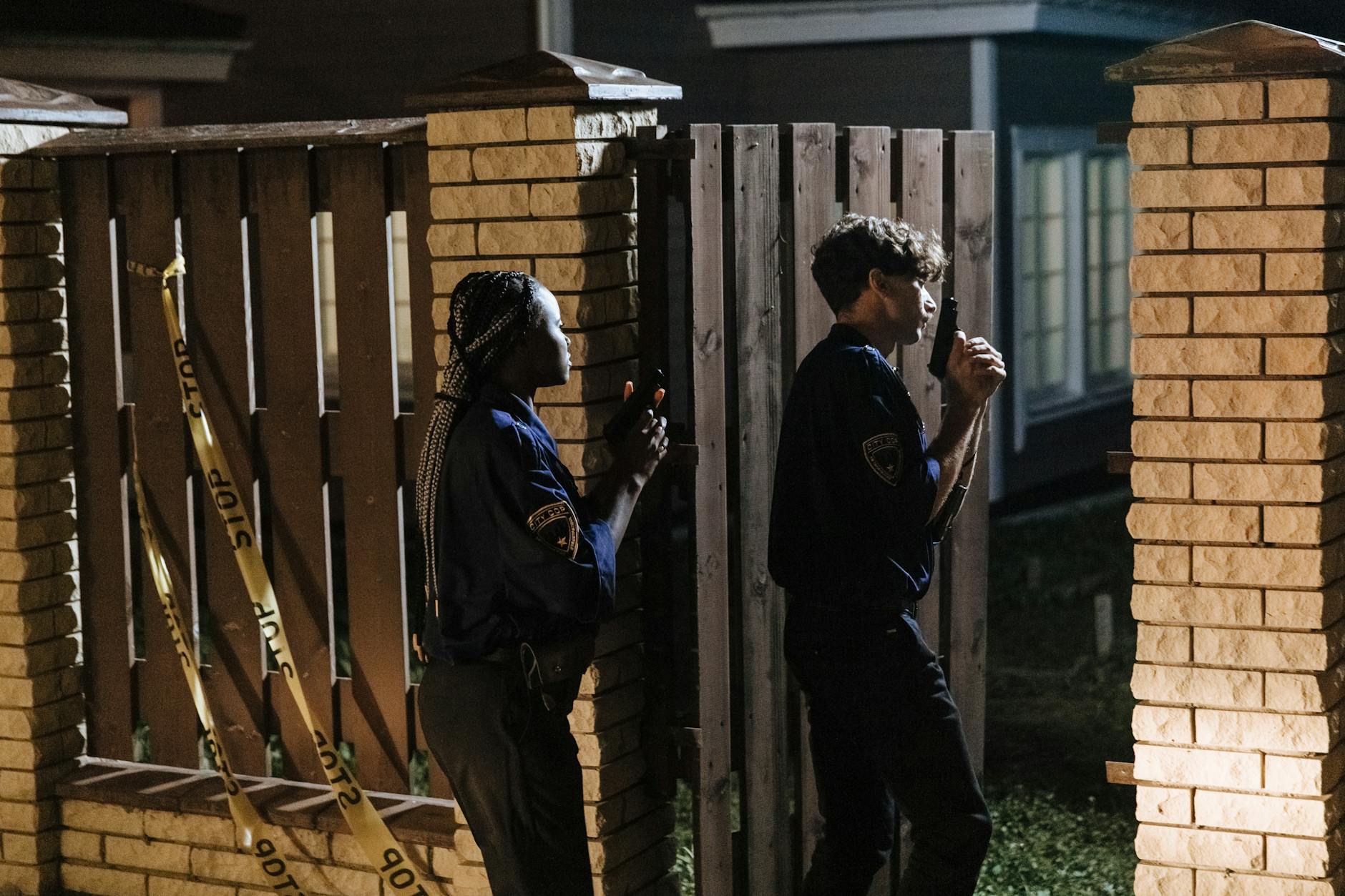
Photo by cottonbro studio on Pexels | Source
Why the FBI's Terrorism Language Matters
The phrase "potential nexus to terrorism" carries significant legal and operational weight when used by the FBI. Under federal law, terrorism investigations unlock a broader set of investigative tools, including access to classified intelligence databases, coordination with the Department of Homeland Security, and potential involvement by the National Counterterrorism Center.
The timing of this investigation is notable. The United States is currently engaged in active military operations against Iran, following a series of escalating strikes and counter-strikes that have dominated international headlines throughout February 2026. The UN Security Council convened an emergency session over the Iran situation, according to UN News, and the broader geopolitical climate has raised threat-level concerns domestically.
Security analysts and law enforcement officials have long warned that periods of heightened international conflict can inspire so-called "lone wolf" or ideologically motivated domestic attacks, even when there is no direct operational link to foreign actors. Whether the Austin shooting falls into this category remains under investigation.
The FBI's use of the term "potential nexus" also indicates that investigators have not yet confirmed a definitive terrorism motive — it means they are treating the possibility seriously enough to dedicate federal resources to ruling it in or out.
Context: A Nation on High Alert
The Austin shooting comes against a backdrop of extraordinarily elevated national tension. According to Reuters, a poll conducted jointly with Ipsos found that just one in four Americans supports U.S. strikes on Iran, suggesting significant public unease about the current military posture. At the same time, reports from Euronews confirm that at least one oil tanker has been attacked in the Strait of Hormuz, and the BBC has reported at least 153 deaths following a reported strike on a school in Iran — figures that have inflamed international opinion.
Domestic security officials have historically increased vigilance during periods of foreign military engagement, recognizing that heightened rhetoric and geopolitical conflict can fuel radicalization or inspire retaliatory sentiment on home soil. The FBI's rapid involvement in the Austin case suggests that awareness is very much active at the federal level.

Photo by 112 Uttar Pradesh on Pexels | Source
What This Means for Public Safety in 2026
For everyday Americans — particularly those in major urban centers — the Austin bar shooting raises several practical questions about public safety:
Should people be concerned about attending public venues? Law enforcement officials consistently advise the public to remain alert and report suspicious activity, but not to change daily routines based on a single unconfirmed incident. The FBI's investigation is ongoing, and until a motive is confirmed, broad alarm would be premature.
What is the government doing to prevent further incidents? Federal agencies including the FBI and DHS maintain standing threat-assessment protocols that are routinely elevated during periods of international conflict. Coordination between local and federal law enforcement in Austin is already underway, according to reports.
How does this fit into the broader terrorism landscape in 2026? The United States has seen a varied threat environment in recent years, with concerns spanning foreign-inspired extremism, domestic violent extremism, and lone-actor attacks. Each of these categories requires different investigative and preventive approaches, which is part of why the FBI's early framing of this case as a potential terrorism matter — rather than a definitive one — is important to note.
Austin's Response
The Austin community, known as one of the fastest-growing cities in the United States, is processing the shock of a deadly attack on what is typically considered a vibrant nightlife district. Local officials have not yet issued formal statements beyond confirming cooperation with federal investigators, according to available reporting. Community grief counseling and public safety briefings are expected to follow as more information becomes available through official channels.
The bar shooting is a stark reminder that domestic public safety concerns do not pause during periods of international crisis — and that federal law enforcement resources must simultaneously manage both fronts.
What Happens Next
The FBI's terrorism investigation will proceed along established protocols. If a terrorism nexus is confirmed, the case could be prosecuted under federal terrorism statutes, which carry significantly heavier penalties than standard criminal charges. If investigators determine that no terrorism link exists, the case would revert to local jurisdiction for prosecution under Texas law.
Authorities have urged anyone with information about the Austin bar shooting to contact the FBI's tip line or local law enforcement. As with all active federal investigations, the public should expect that detailed information will be released cautiously and only after investigators are confident it will not jeopardize the case.
TrendPlus will continue monitoring this story as verified information becomes available through official and credible journalistic sources.
Frequently Asked Questions
What happened in the Austin, Texas bar shooting in 2026?
At least two people were killed in a shooting at a bar in Austin, Texas, according to CBS News reporting. The FBI subsequently opened an investigation into a potential terrorism connection linked to the attack.
Why is the FBI investigating the Austin bar shooting as potential terrorism?
The FBI confirmed it is probing a 'potential nexus to terrorism' in connection with the shooting. This means investigators have identified enough preliminary evidence to warrant a federal terrorism review, though a definitive motive has not yet been publicly confirmed.
Is there a confirmed link between the Austin shooting and the Iran conflict?
As of available reporting, no confirmed link between the Austin bar shooting and the ongoing U.S.-Iran military conflict has been established. The FBI's investigation is ongoing and no official motive or affiliation has been publicly named.
What does 'potential nexus to terrorism' mean legally?
When the FBI uses this phrase, it means investigators believe there is a credible possibility that terrorism — whether domestic or foreign-inspired — may have motivated the attack. It triggers access to federal investigative tools and resources while the probe continues.
What should the public do in response to the Austin bar shooting?
Law enforcement officials advise the public to remain vigilant and report any suspicious activity to the FBI or local police. Authorities have not issued any broader public safety alerts requiring changes to daily routines at this time.


