
Bitcoin vs Silver in 2026: Which Is the Better Long-Term Buy?
With geopolitical tensions escalating across the Middle East and inflation anxiety creeping back into investor conversations, the age-old question of where to park your money for the long haul has never felt more urgent. Two assets keep coming up in the same breath: Bitcoin and silver. Both are being pitched as inflation hedges, safe havens, and stores of value — but they couldn't be more different in practice.
So which one actually belongs in your portfolio in 2026? Let's break it down.

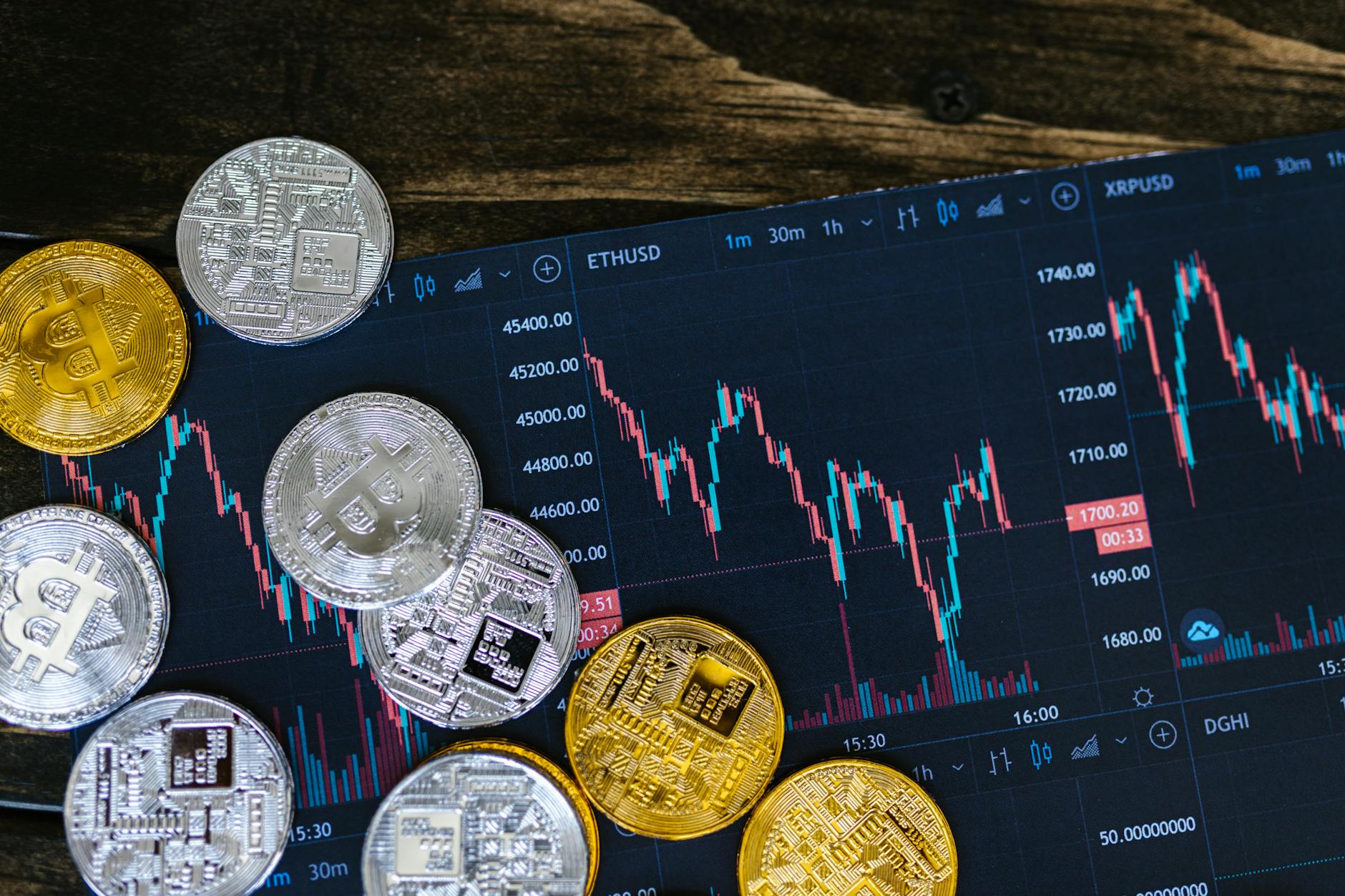
Photo by Jakub Zerdzicki on Pexels | Source
Why This Comparison Matters Right Now
Markets in early 2026 are anything but calm. The ongoing U.S.-Iran conflict has sent oil prices surging and triggered a wave of uncertainty across global financial markets. The Dow futures have skidded on multiple trading days, and investors are scrambling for assets that can weather the storm. Both Bitcoin and silver are getting fresh attention as a result — and both have compelling arguments in their favor.
According to The Motley Fool's recent analysis, the answer for long-term investors is clearer than you might think. But before we get there, let's give both assets a fair hearing.
The Case for Bitcoin in 2026
Bitcoin has had a complicated few years. After its massive bull run in 2024 and early 2025, it faced volatility tied to macroeconomic pressures and regulatory developments. But its core fundamentals remain intact — and in some ways, stronger than ever.
Here's why Bitcoin bulls are staying bullish:
- Fixed supply: There will only ever be 21 million Bitcoin. With the most recent halving in 2024 cutting new supply in half, the scarcity argument is mathematically baked in.
- Institutional adoption: Major financial institutions now hold Bitcoin in their portfolios or offer crypto products to clients. ETF approvals in the U.S. and globally have made exposure far more accessible.
- Digital gold narrative: As more millennials and Gen Z investors enter their wealth-building years, many instinctively prefer a digital, borderless store of value over a physical commodity.
- Geopolitical resilience: Bitcoin can't be sanctioned, seized at a border, or blocked by a government — a feature that's becoming increasingly relevant in a fragmented geopolitical world.
The biggest risk? Volatility. Bitcoin can — and does — drop 30-50% in a matter of weeks. If you're a long-term investor with strong conviction and a high risk tolerance, that might be acceptable. But it's not for everyone.

Photo by Mark Stebnicki on Pexels | Source
The Case for Silver in 2026
Silver doesn't make headlines the way Bitcoin does, but it's quietly becoming one of the more interesting investment stories of the decade. Here's why:
- Industrial demand is exploding: Silver isn't just a monetary metal — it's a critical industrial input. It's used in solar panels, electric vehicles, semiconductors, and electronics. As the green energy transition accelerates globally, demand for silver is structurally increasing.
- Historically undervalued vs. gold: The gold-to-silver ratio has historically hovered around 47:1 to 60:1. In 2026, it remains elevated, suggesting silver may be underpriced relative to gold.
- Tangible and time-tested: Silver has functioned as money and a store of value for thousands of years. It's not going anywhere.
- Lower volatility (relatively speaking): Compared to Bitcoin, silver is far less prone to sudden, dramatic crashes — making it a more comfortable hold for conservative investors.
- Inflation hedge: Like all hard assets, silver tends to hold purchasing power over long periods of time, especially during periods of dollar weakness.
The downside? Silver's price is heavily influenced by industrial cycles, which means it can underperform during economic slowdowns. It also generates no yield, requires physical storage if you own it directly, and tends to lag gold in pure safe-haven demand during crises.
Head-to-Head: Bitcoin vs Silver
Let's put them side by side across the metrics that matter most for long-term investors:
| Factor | Bitcoin | Silver |
|---|---|---|
| Volatility | Very High | Moderate |
| Supply | Fixed (21M) | Mined continuously |
| Industrial Use | None | Extensive & growing |
| Liquidity | Extremely High | High |
| Accessibility | Very Easy (apps, ETFs) | Easy (ETFs, physical) |
| Track Record | ~15 years | Thousands of years |
| Regulatory Risk | Moderate-High | Low |
| Inflation Hedge | Debated | Established |
So Which Should You Choose?
Here's the honest answer: it depends on your investment horizon, risk tolerance, and goals — but there are some clear patterns that emerge.
Choose Bitcoin if:
- You're comfortable with significant short-term volatility
- You have a 10+ year time horizon and strong conviction
- You're already diversified across traditional assets
- You want asymmetric upside potential
Choose Silver if:
- You want a more conservative inflation hedge
- You believe in the long-term green energy and EV megatrend
- You prefer assets with real-world utility backing their value
- You're building a wealth preservation portfolio, not a high-growth one
The smartest move? Consider owning both. They serve different purposes. A small allocation to Bitcoin provides high-upside asymmetry, while silver offers steadier value preservation tied to real industrial demand. Many financial advisors now suggest that a balanced portfolio in 2026 might include 1-5% in crypto and 3-7% in precious metals, depending on individual risk profiles.

Photo by Mikhail Nilov on Pexels | Source
What the Iran Conflict and Energy Crisis Mean for Both
Here's something most articles skip over: the current geopolitical situation is actually bullish for both assets in different ways.
For silver, the Iran conflict and resulting energy crisis have accelerated conversations about energy independence. Governments are doubling down on solar and renewable infrastructure — all of which require significant quantities of silver. U.S. LNG producers are rushing to capitalize on surging gas prices, and the broader energy disruption is pushing policymakers to fast-track alternatives.
For Bitcoin, geopolitical instability historically drives interest in non-sovereign assets. When people lose confidence in government stability or currency reliability, decentralized digital assets become more attractive as a hedge — particularly in affected regions.
In short, 2026's turbulent macro environment may actually be creating a rare moment where both Bitcoin and silver look more compelling than usual.
Practical Tips Before You Invest
Before you jump in, here are a few things to keep in mind:
- Never invest more than you can afford to lose — especially in Bitcoin.
- Dollar-cost averaging (DCA) is your friend in volatile markets. Don't try to time the bottom.
- Use regulated platforms for crypto exposure, or consider Bitcoin ETFs for simpler access.
- For silver, you can buy physical coins/bars, silver ETFs (like SLV), or silver mining stocks for leveraged exposure.
- Consult a financial advisor before making any significant portfolio changes.
Final Verdict
If you're a long-term investor forced to pick just one, silver arguably offers a more grounded, multi-driver investment case in 2026 — especially with industrial demand tailwinds from clean energy. But Bitcoin's fixed supply, growing institutional acceptance, and asymmetric return potential make it too compelling to ignore entirely.
The real answer? Don't treat this as an either/or decision. Both assets can play a meaningful role in a diversified portfolio, and the current macro environment may be one of the better entry points for both. Do your research, size your positions appropriately, and think in years — not weeks.
Frequently Asked Questions
Is Bitcoin or silver a better inflation hedge in 2026?
Silver has a longer, more established track record as an inflation hedge and is backed by growing industrial demand from clean energy sectors. Bitcoin offers a fixed supply that theoretically makes it inflation-resistant, but its short history and high volatility make its inflation-hedging properties more debated among economists.
What is the safest way to invest in silver in 2026?
The easiest and most liquid option is purchasing a silver ETF like SLV through a brokerage account. You can also buy physical silver coins or bars from reputable dealers, though you'll need to factor in storage and insurance costs.
How much of my portfolio should be in Bitcoin in 2026?
Most financial advisors suggest limiting crypto exposure to 1-5% of your total portfolio, depending on your risk tolerance and investment goals. Bitcoin's volatility means larger allocations can significantly impact your overall portfolio performance in both directions.
Will silver prices go up in 2026?
Silver has strong structural demand drivers in 2026, particularly from solar panel manufacturing and EV production, which require significant silver inputs. Geopolitical tensions and a historically elevated gold-to-silver ratio also suggest silver may be undervalued, though no price prediction is guaranteed.
Can I own both Bitcoin and silver in my portfolio?
Absolutely — and many financial strategists recommend it. Bitcoin and silver serve different roles: Bitcoin offers high-upside asymmetric potential, while silver provides more stable value preservation with industrial demand backing. A small allocation to each can provide meaningful diversification.


