
DOJ Indicts 30 More People Over Anti-ICE Minnesota Church Protest
The United States Department of Justice has indicted an additional 30 individuals in connection with an anti-ICE protest that took place at a church in Minnesota, according to NBC News. The move marks one of the largest single waves of federal charges tied to immigration enforcement protests in recent memory, and it is drawing sharp responses from civil liberties advocates, immigration attorneys, and elected officials across the political spectrum.
The latest indictments bring the total number of federally charged defendants tied to the protest to a significantly larger figure, signaling what legal observers describe as an unusually aggressive prosecutorial posture by the Justice Department under the current administration. According to reports, the charges relate to actions taken by protesters who gathered at or around the church in an apparent effort to obstruct immigration enforcement operations being conducted by U.S. Immigration and Customs Enforcement (ICE).

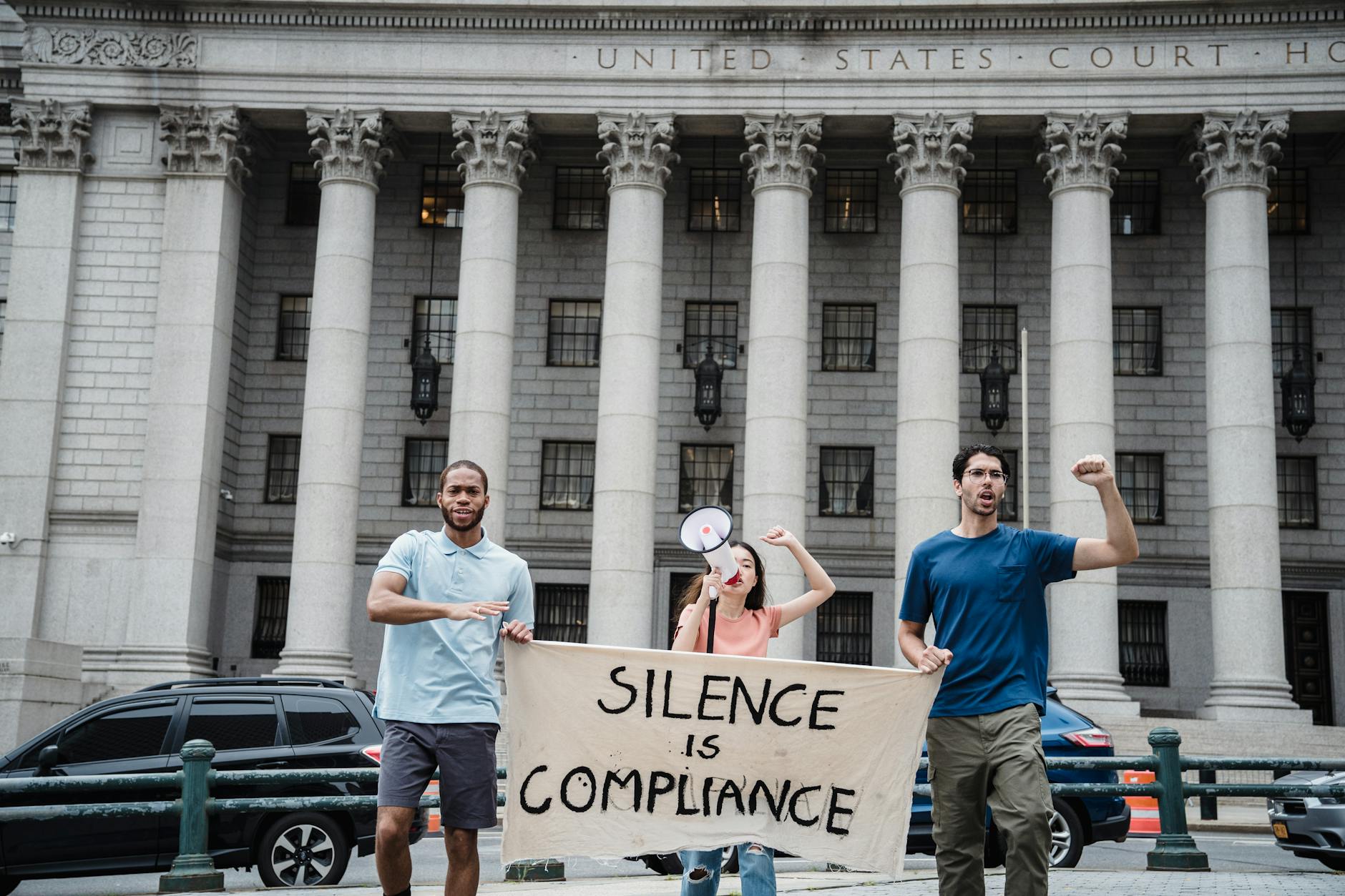
Photo by 112 Uttar Pradesh on Pexels | Source
What Happened at the Minnesota Church?
According to NBC News reporting, the incident involved a crowd of protesters who positioned themselves at a church that was reportedly sheltering individuals sought by ICE agents. Churches and other houses of worship have historically claimed "sanctuary" status, a practice that has no formal legal standing under federal law but has long been used as a form of civil disobedience rooted in religious tradition.
The protest, which drew significant local attention at the time, involved participants who allegedly physically blocked or otherwise interfered with ICE agents attempting to carry out enforcement actions. Federal prosecutors are reportedly pursuing obstruction-related charges against the newly indicted defendants, though the specific charges vary by individual, according to available reports.
Legal analysts note that the breadth of the indictments — 30 additional people in a single action — is notable for its scale. Federal obstruction charges carry serious potential penalties, including prison time, which critics argue is disproportionate to the nature of the alleged conduct.

Photo by Germar Derron on Pexels | Source
Civil Liberties Groups Sound the Alarm
The American Civil Liberties Union (ACLU) and other advocacy organizations have been vocal in condemning what they describe as the criminalization of protest activity tied to immigration enforcement. Legal observers following the case closely note several points of concern:
- Prosecutorial scope: Charging 30 individuals at once for protest-related conduct sends a chilling message to would-be demonstrators, according to civil liberties attorneys quoted in reports.
- Religious freedom dimensions: The fact that the protest occurred at a church raises potential First Amendment and Religious Freedom Restoration Act questions that defense attorneys are expected to raise.
- Precedent-setting risk: Critics warn that aggressively prosecuting bystanders or peripheral participants in a protest could set a precedent that broadly discourages constitutionally protected assembly.
- Due process concerns: Defense lawyers are reportedly scrutinizing whether the evidence supporting each individual indictment meets the threshold required for federal charges.
Supporters of the prosecutions, by contrast, argue that physically obstructing federal law enforcement agents — regardless of the motivation — constitutes a serious federal offense and that the rule of law must be consistently enforced.
The Broader Context: ICE Enforcement and Sanctuary Policies in 2026
The Minnesota church protest indictments do not exist in a vacuum. They come against the backdrop of significantly ramped-up immigration enforcement activity by the current administration, which has made aggressive ICE operations a centerpiece of its domestic policy agenda. According to multiple news organizations, deportation operations have intensified substantially in recent months, with federal agents conducting enforcement actions in locations — including houses of worship and schools — that previous administrations had treated as "sensitive locations" where enforcement was generally avoided.
The Trump administration formally rescinded the sensitive locations policy earlier in its term, according to prior reports, opening the door to enforcement operations at or near churches, schools, and hospitals. That policy change has itself been the subject of legal challenges in federal courts.
Minnesota has been among the more active states in terms of protest responses to federal immigration enforcement, with local officials in Minneapolis and other cities publicly expressing opposition to cooperation with ICE detainer requests.

Photo by www.kaboompics.com on Pexels | Source
What the Charges Could Mean for Defendants
For the 30 newly indicted individuals, the legal road ahead is likely to be lengthy and costly. Federal charges, even when ultimately resolved without prison sentences, carry significant consequences including legal fees, reputational impact, and the stress of prolonged federal proceedings.
Defense attorneys in similar cases have historically pursued several strategies:
- Necessity defense: Arguing that defendants acted to prevent a greater harm, though this defense faces high legal hurdles in federal court.
- First Amendment challenges: Contending that the prosecution itself constitutes unlawful government retaliation for protected speech and assembly.
- Selective prosecution arguments: Claiming that the government has singled out protesters based on their political viewpoint.
- Factual challenges to individual culpability: Disputing whether specific defendants actually engaged in the conduct alleged, particularly in large group protest scenarios where identifying individual actions is difficult.
Legal experts note that the outcomes of these cases could have ripple effects well beyond Minnesota. If convictions are secured on broad obstruction theories, it could effectively criminalize a wide range of protest conduct near immigration enforcement operations nationwide.
Political Fallout and Congressional Reaction
The indictments have already generated political responses. Several Democratic members of Congress from Minnesota and other states have publicly criticized the DOJ's actions, framing them as part of a broader pattern of using federal prosecutorial power to suppress dissent against immigration policy. Some lawmakers are reportedly calling for congressional oversight hearings to examine the legal basis for the charges.
On the other side of the aisle, Republican lawmakers and conservative commentators have largely defended the prosecutions, arguing that no individual or group has the right to obstruct federal law enforcement regardless of their ideological motivations.
The case is expected to draw sustained national media attention as it progresses through the federal court system, particularly given the charged political environment surrounding immigration enforcement in 2026. Legal proceedings in federal cases of this complexity can take months or years to resolve, meaning the Minnesota church protest indictments will likely remain a flashpoint in the ongoing national debate over immigration, protest rights, and the limits of civil disobedience for the foreseeable future.
Key Facts to Watch
- The total number of defendants charged in connection with the protest following the latest round of indictments
- Whether additional charges or indictments are forthcoming, according to DOJ statements
- The specific federal statutes being used to prosecute defendants
- Court dates and any early rulings on motions to dismiss
- Statements from the DOJ regarding its enforcement rationale
As this story continues to develop, TrendPlus will provide updated analysis based on verified reporting from credible news sources.
Frequently Asked Questions
What are the charges against the 30 people indicted in the Minnesota anti-ICE church protest?
According to NBC News, the charges are related to allegedly obstructing ICE agents during an immigration enforcement operation at or near a church in Minnesota. The specific charges vary by individual defendant, but federal obstruction charges carry serious potential penalties including prison time.
Is it legal to protest against ICE enforcement operations at a church?
Peaceful protest is protected under the First Amendment, but physically obstructing federal law enforcement agents is a federal crime regardless of location or motivation. The legal question in this case centers on whether the defendants' conduct crossed the line from protected protest into criminal obstruction.
Do churches have legal sanctuary status that protects people from ICE?
No. Sanctuary status for churches has no formal legal standing under federal law. It is a tradition of civil disobedience rooted in religious practice, but federal agents are legally permitted to conduct enforcement operations at or near houses of worship, particularly since the Trump administration rescinded the sensitive locations policy.
How many people have now been charged in connection with the Minnesota anti-ICE church protest?
The latest round of indictments added 30 more defendants, according to NBC News. This brings the cumulative total of federally charged individuals connected to the protest to a significantly larger number, making it one of the largest single waves of charges tied to an immigration enforcement protest.
What could happen to the people charged in the Minnesota ICE protest case?
Federal obstruction charges can carry penalties including fines and prison sentences depending on the specific statutes charged and the facts of each case. Defense attorneys are expected to pursue a range of legal strategies including First Amendment challenges, necessity defenses, and factual disputes about individual conduct.


