

Rare 2,000-Year-Old Treasure Unearthed in Wales: The Full Story
Imagine spending a quiet weekend sweeping your metal detector across a Welsh field — and suddenly uncovering one of the most significant archaeological finds in recent British history. That's exactly what happened when a group of metal detectorists in Wales stumbled upon a breathtaking cache of 2,000-year-old treasure, leaving historians and archaeologists utterly "astonished." This remarkable discovery is making headlines around the world in early 2026, and for good reason: finds like this one don't come along very often.
Whether you're a history enthusiast, an archaeology buff, or simply someone who loves a great real-world treasure story, this one has it all. Let's break down everything we know about the discovery, what was found, why it matters, and what happens next.
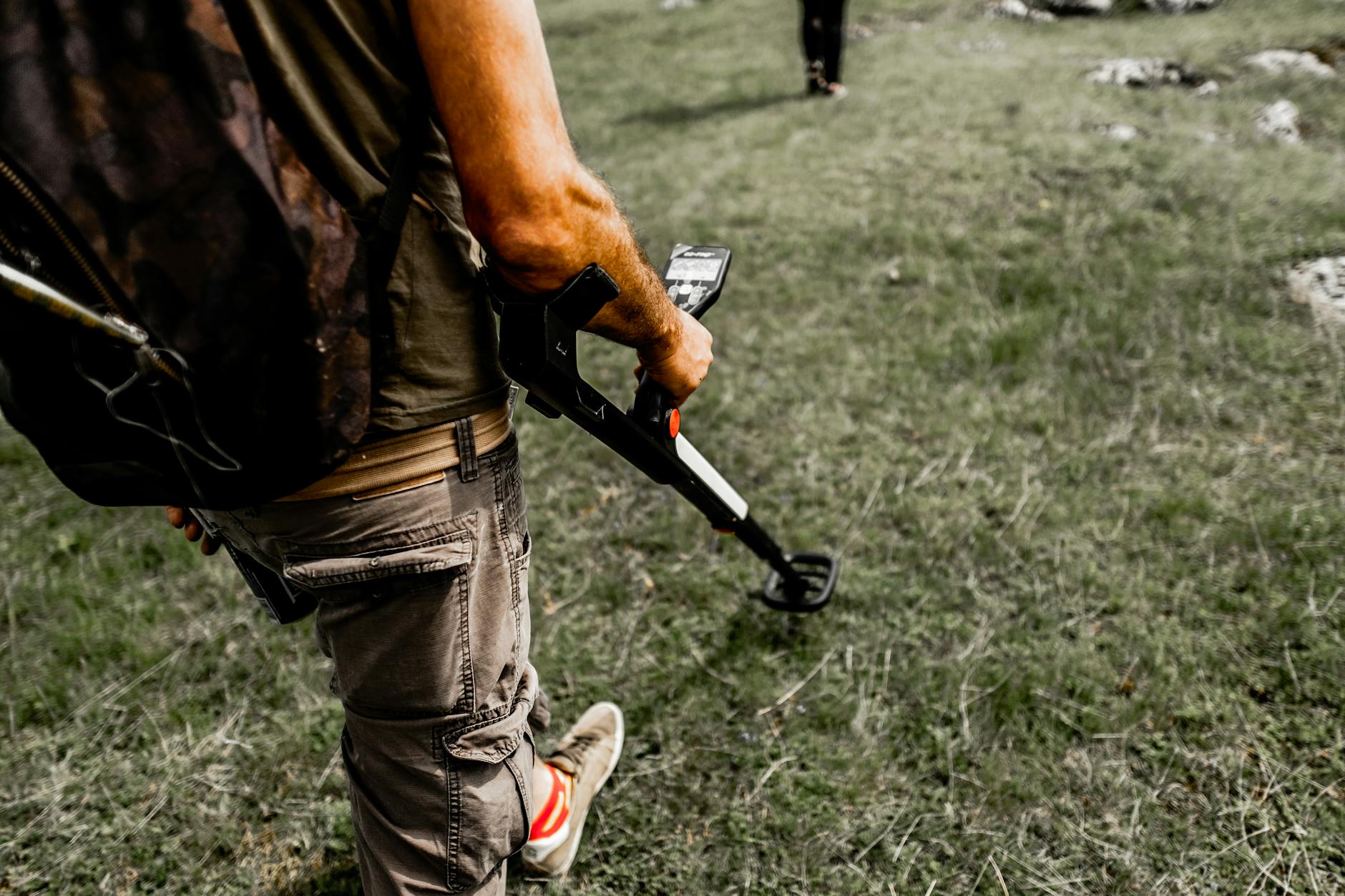
Photo by Cosmin Gavris on Pexels | Source
What Was Actually Found?
The treasure, described as dating back roughly 2,000 years to the Iron Age or early Roman period in Britain, was unearthed somewhere in Wales — a region with incredibly deep Celtic and pre-Roman roots. While full details are still being assessed by the relevant Welsh archaeological authorities, early reports indicate the find includes metalwork artifacts, potentially coins, ornamental items, or other objects typical of Iron Age hoards discovered in Britain.
Finds from this era in Wales are particularly exciting because they often reveal details about the Celtic tribes — such as the Silures or Ordovices — who inhabited the region before and during the Roman conquest of Britain. Items from this period can include:
- Torcs (twisted metal neckrings worn as status symbols)
- Coins minted by local Celtic rulers or early Roman administrators
- Brooches and fasteners used in everyday dress
- Ritual or ceremonial objects linked to Iron Age religious practices
- Horse or chariot fittings, reflecting the importance of horses in Celtic society
The detectorists who made the find reportedly expressed immediate shock at what they were seeing, with one quoted as saying, "We were astonished" — a sentiment that archaeologists who later examined the find wholeheartedly echoed.
Who Found It and How?
Metal detecting has become one of Britain's most popular hobbies, and it's arguably one of the most productive tools for amateur archaeology in the modern era. The United Kingdom has a well-established legal framework for reporting such finds: the Portable Antiquities Scheme (PAS) in England and Wales encourages finders to voluntarily record their discoveries with local museums and archaeologists.
In Wales specifically, Treasure Act 1996 law requires finders to report items that meet the definition of "treasure" — generally items over 300 years old that contain precious metal, or groups of coins from the same find. Failure to report is a criminal offence, but the vast majority of responsible detectorists do exactly the right thing.
In this case, the finders appear to have done everything correctly: reporting the find promptly and allowing professional archaeologists to take over the excavation and assessment process. This kind of collaboration between hobbyists and professionals is exactly what makes Britain such a rich environment for archaeological discovery.

Photo by Lydia Griva on Pexels | Source
Why Is This Discovery So Significant?
You might be wondering: Wales has a rich history — surely Iron Age finds aren't that unusual? And while it's true that Britain has seen remarkable hoards before (like the famous Staffordshire Hoard or the Snettisham Treasure), each new find adds irreplaceable layers to our understanding of ancient life.
Here's why this particular discovery is generating so much excitement:
1. The Rarity of the Find
Not all metal detector sweeps uncover meaningful artifacts. A cache of well-preserved items from 2,000 years ago — especially if they include precious metals or intricate craftsmanship — is genuinely rare. Professionals use the word "astonished" carefully; when archaeologists say it, you know something special has been found.
2. Insight into Pre-Roman Wales
Wales was one of the last regions of Britain to fall under Roman control, and the native Celtic tribes resisted fiercely. Artifacts from this transitional period can reveal how people lived, traded, and worshipped on the eve of one of history's most dramatic cultural transformations.
3. The Potential for New Historical Knowledge
Every hoard tells a story. Why was the treasure buried? Was it hidden for safekeeping during a time of conflict? Was it a ritual deposit? The context of how and where items are found can be just as valuable as the objects themselves.
4. Raising the Profile of Welsh Heritage
Wales has sometimes been overshadowed by high-profile English and Scottish finds in the public imagination. Discoveries like this one serve as powerful reminders that Welsh soil holds extraordinary secrets still waiting to be uncovered.
What Happens to the Treasure Now?
This is where things get procedurally interesting — and important for the finders to understand. Under the Treasure Act, once a find is formally declared "Treasure" by a coroner, the items typically become the property of the Crown. However, the process doesn't leave finders empty-handed:
- Inquest: A coroner's inquest formally declares whether the find constitutes Treasure under the law.
- Valuation: An independent Treasure Valuation Committee assesses the fair market value of the items.
- Museum Acquisition: A Welsh museum — likely the National Museum Wales (Amgueddfa Cymru) — will be given the opportunity to acquire the items for the assessed value.
- Reward: The finder (and the landowner, if different) typically share a reward equal to the full market value of the items. This is a significant financial incentive for responsible reporting.
In practical terms, if the treasure proves to be as remarkable as initial reports suggest, the finders could be looking at a substantial financial reward — while ensuring the artifacts end up where the public can enjoy and learn from them.

Photo by David Atkins on Pexels | Source
The Bigger Picture: Britain's Metal Detecting Revolution
Britain is home to one of the world's most active metal detecting communities, and the results speak for themselves. The Portable Antiquities Scheme has recorded over 1.7 million finds since it was established in 1997, according to official data. Each year, thousands of new discoveries contribute to a constantly evolving picture of Britain's ancient past.
Critics sometimes argue that metal detecting disturbs archaeological context. But when done legally and responsibly — on permitted land, with proper reporting — the hobby has proven to be an invaluable supplement to professional archaeology, which simply doesn't have the resources to survey every field in the country.
This latest Welsh discovery is a perfect example of amateur and professional archaeology working hand in hand to preserve history for future generations.
What's Next?
Archaeologists will now conduct a thorough post-discovery excavation of the site to see whether additional artifacts remain in the ground and to document the precise context of the find. The items themselves will undergo conservation treatment to stabilize them after their long burial, followed by detailed scientific analysis — potentially including isotopic testing to determine where the metals originated.
Expect to hear more about this find in the coming months as analysis progresses. If the items prove as significant as first reports suggest, a public exhibition at a Welsh national museum could be on the cards.
For now, the story of a group of detectorists walking across a Welsh field and emerging with a 2,000-year-old piece of history is exactly the kind of reminder we all need: the past is still out there, just beneath our feet, waiting for the right person with the right tools to bring it back to light.
FAQ
What is the 2,000-year-old Welsh treasure that was found in 2026? A group of metal detectorists in Wales unearthed a cache of Iron Age or early Roman-era artifacts dating back roughly 2,000 years. The exact contents are still being assessed by archaeologists, but the find has been described as remarkable and historically significant.
What happens to treasure found by metal detectorists in Wales? Under the UK's Treasure Act 1996, finds that qualify as "Treasure" must be reported to a local coroner. If declared Treasure, the items are typically acquired by a national or local museum, and the finder (plus the landowner) receives a financial reward equal to the items' fair market value.
Is metal detecting legal in the UK? Yes, metal detecting is legal in the UK, but you need the landowner's permission to detect on private land. Detecting on protected sites such as Scheduled Monuments is illegal. Responsible detectorists are encouraged to record finds through the Portable Antiquities Scheme.
Why is Iron Age treasure from Wales historically important? Wales was home to powerful Celtic tribes who resisted Roman conquest. Iron Age finds from the region provide direct evidence of how these people lived, traded, and practised their religion before and during one of history's most significant cultural transformations.
Where will the Welsh treasure be displayed? If formally acquired as Treasure, the items will most likely go to the National Museum Wales (Amgueddfa Cymru) in Cardiff, where they can be preserved, studied, and displayed for the public. A formal exhibition may follow once conservation and analysis are complete.
Frequently Asked Questions
What is the 2,000-year-old Welsh treasure that was found in 2026?
A group of metal detectorists in Wales unearthed a cache of Iron Age or early Roman-era artifacts dating back roughly 2,000 years. The exact contents are still being assessed by archaeologists, but the find has been described as remarkable and historically significant.
What happens to treasure found by metal detectorists in Wales?
Under the UK's Treasure Act 1996, finds that qualify as 'Treasure' must be reported to a local coroner. If declared Treasure, the items are typically acquired by a national or local museum, and the finder (plus the landowner) receives a financial reward equal to the items' fair market value.
Is metal detecting legal in the UK?
Yes, metal detecting is legal in the UK, but you need the landowner's permission to detect on private land. Detecting on protected Scheduled Monuments is illegal, and responsible detectorists are encouraged to record finds through the Portable Antiquities Scheme.
Why is Iron Age treasure from Wales historically important?
Wales was home to powerful Celtic tribes who resisted Roman conquest. Iron Age finds from the region provide direct evidence of how these people lived, traded, and practised their religion before and during one of history's most significant cultural transformations.
Where will the Welsh treasure be displayed?
If formally acquired as Treasure, the items will most likely go to the National Museum Wales (Amgueddfa Cymru) in Cardiff. A public exhibition may follow once conservation and full scientific analysis are complete.


