
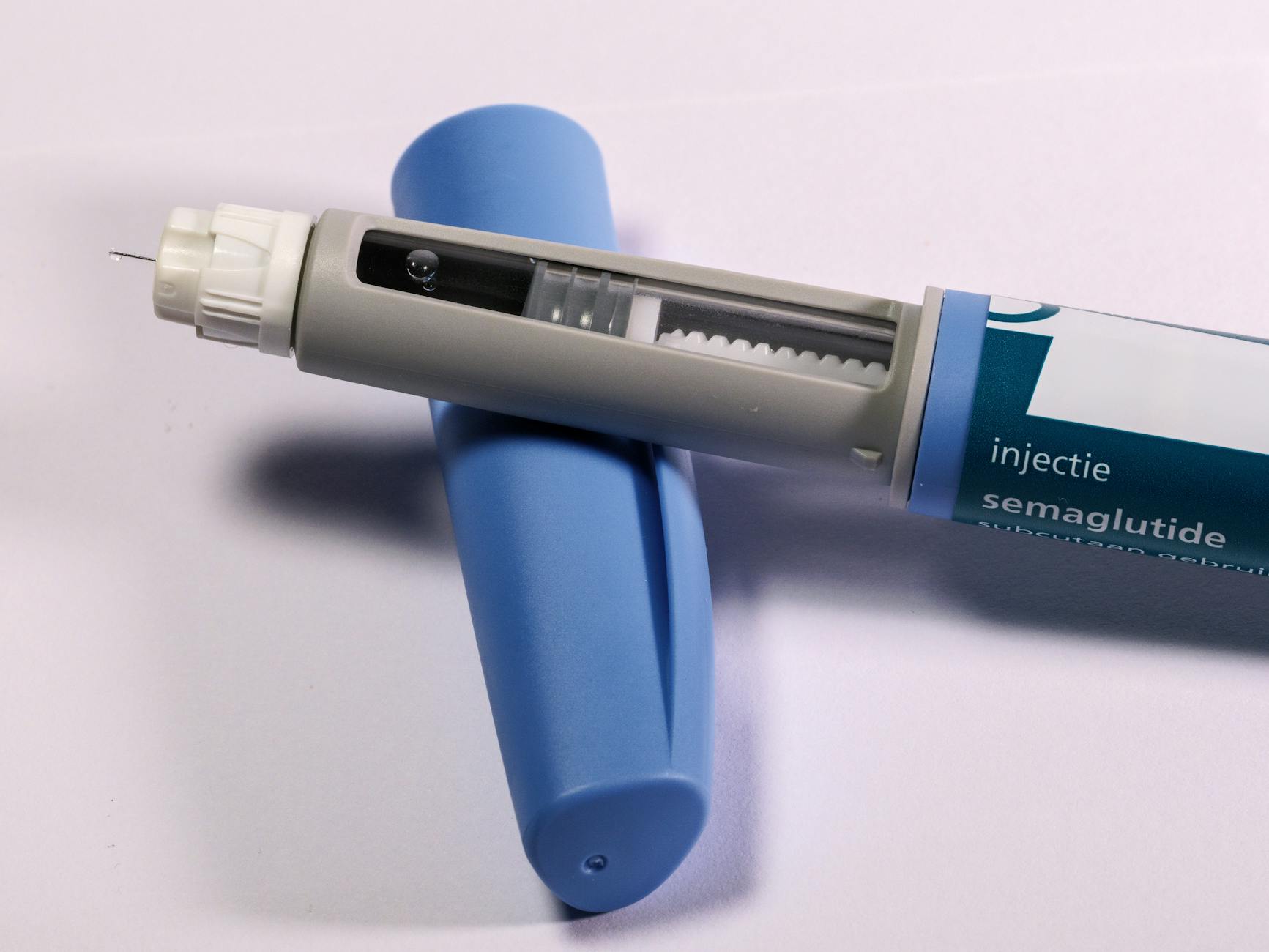
GLP-1 Side Effects in 2026: The New Risk Beyond Ozempic Face
If you've been following the GLP-1 revolution — the wave of weight-loss drugs like Ozempic, Wegovy, Mounjaro, and Zepbound — you've probably heard about "Ozempic face." That's the gaunt, hollowed-out appearance some users develop as rapid fat loss reshapes their facial features. It became a cultural talking point, a cautionary hashtag, and a running joke in celebrity circles. But in early 2026, a new and arguably more troubling side effect has emerged from patient communities and clinical reports — and doctors are taking it seriously.
This isn't just about aesthetics anymore. The latest reported side effect touches on mental health, and for many patients, it's hitting harder than any physical change they anticipated.

Photo by Angelica Reyn on Pexels | Source
What Is This New GLP-1 Side Effect?
Patients on GLP-1 receptor agonists — including semaglutide (Ozempic/Wegovy) and tirzepatide (Mounjaro/Zepbound) — are increasingly reporting significant emotional blunting and anhedonia, described as a loss of pleasure or motivation in everyday life. While mood changes were listed in earlier prescribing information as a possible concern, the intensity and frequency of reports in 2026 have prompted renewed attention from clinicians and researchers.
Anhedonia isn't just feeling a bit flat. Patients describe:
- Loss of interest in hobbies, relationships, and activities they once loved
- Emotional numbness, as if joy and excitement have been dialed down significantly
- Reduced motivation, even for basic self-care and socializing
- A pervasive feeling of being "on autopilot" — present but not engaged
For a drug class that millions of people are taking long-term, this raises serious quality-of-life questions that go well beyond losing a bit of facial volume.
Why Does This Happen? The Science Behind the Effect
GLP-1 receptors aren't only found in the pancreas and gut — they're also present throughout the brain, including in regions associated with reward, motivation, and mood, like the nucleus accumbens and prefrontal cortex. Researchers have long known that semaglutide and similar drugs cross the blood-brain barrier to some degree and influence dopaminergic reward pathways.
The intended benefit of this mechanism is appetite suppression — the drug literally makes food less rewarding. That's the whole point. But here's the problem: dopamine doesn't just govern hunger. It governs almost all forms of motivation and pleasure, from the satisfaction of finishing a project to the excitement of seeing friends.
When you suppress the reward signal broadly, some patients may find that food cravings drop — but so does enthusiasm for everything else. It's a kind of pharmacological collateral damage.
Interestingly, early-stage research has also been exploring GLP-1 drugs as potential treatments for addiction (alcohol, opioids) precisely because of this reward-dampening effect. That dual nature — therapeutic in some contexts, disruptive in others — makes the picture genuinely complicated.
Photo by LinkedIn Sales Navigator on Pexels | Source
Who Is Most at Risk?
Not every GLP-1 patient will experience emotional blunting. Clinical and anecdotal evidence suggests certain groups may be more vulnerable:
- Patients with pre-existing depression or anxiety — Those already managing mood disorders may be more sensitive to neurological changes triggered by GLP-1 drugs.
- Long-term users — The effect appears more pronounced in people who have been on higher doses for extended periods (12+ months).
- Patients on higher doses — Wegovy (2.4 mg semaglutide) and maximum-dose tirzepatide users seem to report more mood-related symptoms than those on lower maintenance doses.
- People who relied heavily on food for emotional comfort — If eating was previously a primary coping mechanism, removing that reward pathway without replacing it with other support structures can trigger emotional vacancy.
It's worth noting that the FDA's monitoring systems and pharmacovigilance databases have seen an uptick in mood-related adverse event reports for this drug class over the past year, though causality studies are still ongoing.
How Does This Compare to 'Ozempic Face'?
To understand why many patients and doctors consider this new side effect worse than Ozempic face, consider the stakes:
- Ozempic face is cosmetically distressing and can affect self-esteem, but it's largely reversible with weight stabilization, facial fillers, or discontinuing the drug.
- Emotional blunting, by contrast, affects your core experience of being alive. Relationships, work performance, creative output, mental health — all of it can suffer.
The emotional cost is harder to quantify and harder to treat. And unlike a physical change you can see in the mirror, anhedonia can be insidious. Some patients don't even recognize it until someone close to them points out that they seem "different" or "distant."
| Side Effect | Visibility | Reversibility | Impact on Daily Life |
|---|---|---|---|
| Ozempic Face | High | Generally reversible | Aesthetic/self-esteem |
| Emotional Blunting | Low | Unclear | Relationships, mood, motivation |
| Nausea/GI Issues | Moderate | Usually fades | Short-term discomfort |
| Muscle Loss | Low | Partially reversible | Physical health |
What Should You Do If You're on a GLP-1 Drug?
If you're currently on Ozempic, Wegovy, Mounjaro, or Zepbound, don't panic — and don't stop your medication abruptly without talking to your doctor first. Here's a practical approach:
- Track your mood regularly. Use a simple journaling app or even a daily 1-10 mood rating. If you notice a persistent downward trend over weeks, that's worth flagging.
- Talk to your prescriber honestly. Mention any changes in motivation, emotional engagement, or enjoyment of life. These symptoms are often underreported because patients don't connect them to their medication.
- Consider dose adjustment. Some patients find that dropping to a lower maintenance dose preserves weight-loss benefits while reducing neurological side effects.
- Prioritize mental health support. If you're on a GLP-1 drug long-term, consider working with a therapist, especially if you have a history of depression or anxiety.
- Don't isolate. Social connection is one of the most powerful buffers against anhedonia. Stay engaged with your community even when motivation feels low.
Photo by David Peterson on Pexels | Source
The Bigger Picture: Are GLP-1 Drugs Still Worth It?
Absolutely — for many patients, the benefits of GLP-1 medications remain transformative and potentially life-saving. These drugs have demonstrated real reductions in cardiovascular events, sleep apnea, and type 2 diabetes progression. The weight loss they enable can dramatically improve quality of life and longevity.
But 2026 is also a moment of reckoning for the GLP-1 boom. With tens of millions of people worldwide now on these medications, the full side-effect profile is coming into sharper focus. What worked beautifully in clinical trials — which lasted months, not years — is now being tested by real-world long-term use.
The answer isn't to abandon these drugs. It's to use them with better awareness, more personalized monitoring, and a genuine understanding that pharmaceutical weight loss is not a simple, clean solution. It comes with trade-offs, some of which we're still discovering.
As research evolves and prescribing guidelines catch up, expect to see more nuanced conversations between patients and doctors about the neurological effects of GLP-1 therapy — especially for long-term users who plan to stay on these medications indefinitely.
FAQ
What is emotional blunting on GLP-1 drugs? Emotional blunting is a reported side effect where patients feel a reduced ability to experience pleasure, motivation, or emotional engagement. It appears linked to GLP-1 drugs' effects on dopamine reward pathways in the brain, not just appetite suppression.
Is the emotional blunting from Ozempic permanent? Current evidence suggests it is not permanent for most patients. Many report improvement after reducing their dose or discontinuing the medication, though more long-term data is still needed to fully understand reversibility.
Should I stop taking Ozempic or Wegovy because of this side effect? Do not stop taking your medication without consulting your doctor first. Abruptly discontinuing GLP-1 drugs can cause rapid weight regain and other health complications. Instead, discuss your symptoms openly with your prescriber to explore dose adjustments or additional mental health support.
What's worse — Ozempic face or emotional blunting? Most clinicians consider emotional blunting more impactful because it affects mental health, relationships, and overall quality of life. Ozempic face is primarily cosmetic and generally reversible, whereas mood changes can be harder to detect and address.
Who is most at risk for GLP-1 mood side effects? People with pre-existing depression or anxiety, those on higher doses, and long-term users appear to be at greater risk. If you fall into any of these categories, proactive mood monitoring and communication with your healthcare provider is especially important.
Frequently Asked Questions
What is emotional blunting on GLP-1 drugs?
Emotional blunting is a reported side effect where patients feel a reduced ability to experience pleasure, motivation, or emotional engagement. It appears linked to GLP-1 drugs' effects on dopamine reward pathways in the brain, not just appetite suppression.
Is the emotional blunting from Ozempic permanent?
Current evidence suggests it is not permanent for most patients. Many report improvement after reducing their dose or discontinuing the medication, though more long-term data is still needed to fully understand reversibility.
Should I stop taking Ozempic or Wegovy because of this side effect?
Do not stop taking your medication without consulting your doctor first. Abruptly discontinuing GLP-1 drugs can cause rapid weight regain and other health complications. Instead, discuss your symptoms openly with your prescriber to explore dose adjustments or additional mental health support.
What's worse — Ozempic face or emotional blunting?
Most clinicians consider emotional blunting more impactful because it affects mental health, relationships, and overall quality of life. Ozempic face is primarily cosmetic and generally reversible, whereas mood changes can be harder to detect and address.
Who is most at risk for GLP-1 mood side effects?
People with pre-existing depression or anxiety, those on higher doses, and long-term users appear to be at greater risk. If you fall into any of these categories, proactive mood monitoring and communication with your healthcare provider is especially important.


