

How AI Could Wreck Your 401(k) in 2026: What to Do Now
You've spent years — maybe decades — carefully building your 401(k). You've weathered recessions, market crashes, and interest rate rollercoasters. But a new threat is emerging that many retirement savers haven't fully reckoned with yet: artificial intelligence. And no, we're not talking about a sci-fi scenario. We're talking about very real, very present dynamics that Forbes and other leading financial outlets are sounding the alarm about right now.
From AI-accelerated job displacement to algorithmic trading volatility and the growing influence of AI on corporate earnings, your retirement nest egg could be more exposed than you think. Let's break it down.
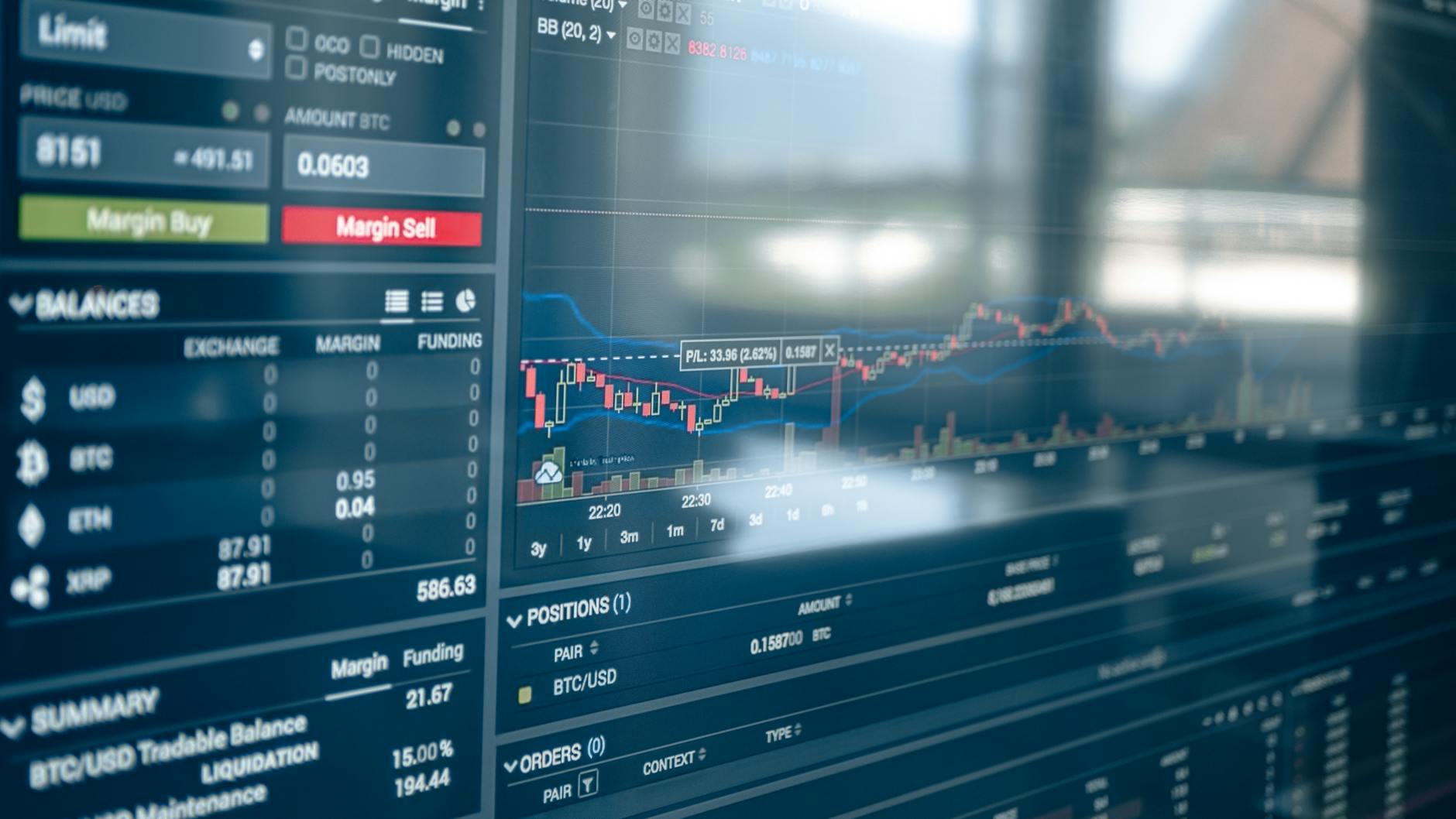
Photo by George Morina on Pexels | Source
The AI Job Displacement Risk Is Real — and It Affects Your Portfolio
Here's the uncomfortable truth: AI isn't just changing how companies work — it's changing who they hire. And when companies announce major AI-driven layoffs or workforce restructurings, markets react. Stock prices shift. Entire sectors reprice.
Consider what's already happening:
- White-collar automation is accelerating, with AI tools handling tasks previously done by accountants, paralegals, analysts, and customer service teams.
- Corporate earnings calls are now full of language about "AI efficiency gains" — which often means fewer human employees.
- Pension and 401(k) funds heavily invested in companies undergoing AI transitions face short-term volatility even when the long-term thesis is positive.
If your 401(k) is concentrated in sectors like financial services, insurance, or back-office tech, you're more exposed than the average diversified investor.
But here's the flip side: AI is also creating massive winners. The risk isn't AI itself — it's how you're positioned relative to AI's disruption patterns.
Algorithmic Trading Is Amplifying Market Swings
This is a less-discussed but critically important dynamic. A growing share of market volume is now driven by AI-powered trading algorithms. These systems react to news, sentiment signals, and macroeconomic data in milliseconds — far faster than any human fund manager.
What does this mean for your 401(k)?
Faster crashes, faster recoveries. When negative news hits — like the recent US-Israel strikes on Iran sending oil prices surging and Dow futures dropping over 300 points — algorithmic systems amplify the initial move. Retail investors and passive 401(k) holders often feel the pain before any stabilization occurs.
Correlation spikes in crises. During AI-driven sell-offs, asset classes that normally don't move together suddenly do. Your "diversified" 401(k) might not be as diversified as you think when algorithms treat everything as risk-on or risk-off.
Volatility clustering. AI trading models tend to pile into similar strategies, creating periods of unusually low volatility followed by sharp, unexpected spikes — exactly the kind of environment that's dangerous for people close to retirement who can't afford to ride out a prolonged drawdown.

Photo by Towfiqu barbhuiya on Pexels | Source
5 Smart Steps to Protect Your 401(k) From AI-Driven Disruption
Okay, enough doom and gloom. Let's talk about what you can actually do right now.
1. Audit Your Sector Exposure
Log into your 401(k) portal today and check which sectors you're most exposed to. Funds heavy in financials, traditional media, or legacy enterprise software could face headwinds as AI reshapes those industries. Make sure you're not overexposed to any single sector.
2. Don't Abandon Equities — But Diversify Smarter
The instinct to flee to cash or bonds when markets get rocky is understandable, but often costly. Instead, consider:
- Broad index funds that capture AI winners alongside traditional companies
- International exposure to reduce US-centric tech concentration
- Small-cap value funds that are less directly correlated with mega-cap AI volatility
3. Review Your Target-Date Fund's Glide Path
Target-date funds are convenient, but they're not magic. If you're within 10 years of retirement, make sure the fund's equity-to-bond ratio aligns with your actual risk tolerance — not just your age. Some target-date funds remain more equity-heavy than many retirees realize.
4. Consider a Stable Value Fund as a Buffer
Many 401(k) plans offer stable value funds — a low-risk option that typically outperforms money market funds while protecting principal. In a volatile AI-driven environment, having 10-20% of your portfolio in a stable value fund can act as a meaningful shock absorber.
5. Increase Contributions If You Can
This sounds counterintuitive when markets are uncertain, but dollar-cost averaging during volatility is one of the most powerful wealth-building strategies available to regular investors. If AI-driven disruption causes a market dip, your ongoing contributions are buying more shares at lower prices.
The AI Sectors Worth Watching in Your Portfolio
Not all AI exposure is created equal. Here's a quick framework:
High AI upside (consider maintaining or increasing exposure):
- Semiconductor and chip manufacturers
- Cloud infrastructure providers
- Enterprise software companies with proven AI integration
- Healthcare companies using AI for drug discovery and diagnostics
High AI disruption risk (review carefully):
- Traditional financial intermediaries without AI strategy
- Legacy media and advertising companies
- Companies with high proportions of white-collar, routine-task workers

Photo by Markus Winkler on Pexels | Source
What About AI-Powered Financial Advisors?
Here's an ironic twist: one of the best tools to help you navigate AI-driven market disruption might be AI-powered financial planning tools themselves. Robo-advisors and AI-assisted portfolio rebalancing tools have become increasingly sophisticated, offering personalized asset allocation recommendations at a fraction of the cost of traditional advisors.
That said, don't rely on any single tool — AI or human — for your retirement strategy. The best approach combines:
- Automated rebalancing to remove emotional decision-making
- Periodic human review (a fee-only fiduciary advisor at least annually)
- Your own informed understanding of the macro environment
The Bottom Line: Don't Panic, But Don't Be Complacent
AI is not going to single-handedly destroy your retirement savings. But it is introducing a new layer of complexity, speed, and disruption that passive, set-it-and-forget-it investors need to understand.
The good news? You don't need to be a Wall Street quant to protect yourself. Diversification, regular portfolio reviews, smart sector awareness, and consistent contributions remain the bedrock of 401(k) success — in an AI era or any other.
Take 30 minutes this week to review your current allocations. That's it. That single step could make a meaningful difference in where your retirement savings stand five or ten years from now.
Your future self will thank you.
FAQ
What is the biggest AI threat to my 401(k) in 2026? The most immediate threats are AI-driven job displacement causing sector-specific stock volatility, and algorithmic trading amplifying market swings during geopolitical or economic shocks. Being aware of your sector exposure and maintaining diversification are key defenses.
Should I move my 401(k) to cash because of AI market uncertainty? Generally, no. Moving to cash locks in losses and means you miss the recovery. A better approach is to review your asset allocation, ensure you're diversified across sectors, and consider adding a stable value fund as a buffer if you're near retirement.
How does AI-powered trading affect my retirement savings? Algorithmic trading can cause faster and sharper market swings, especially during news events. These short-term movements rarely reflect long-term fundamentals, but they can be alarming — and costly — if they cause you to make emotional, reactive decisions with your retirement funds.
What 401(k) investments do well during AI disruption? Broad market index funds, international diversification, and funds with exposure to AI-enabling sectors (semiconductors, cloud computing, healthcare tech) tend to offer the best balance of growth potential and resilience during AI-driven market transitions.
How often should I rebalance my 401(k) in 2026? Most financial advisors recommend reviewing your 401(k) allocation at least once or twice a year, or whenever a major life event occurs. In today's fast-moving AI and geopolitical environment, setting up automatic rebalancing through your plan provider is a smart, low-effort option.
Frequently Asked Questions
What is the biggest AI threat to my 401(k) in 2026?
The most immediate threats are AI-driven job displacement causing sector-specific stock volatility, and algorithmic trading amplifying market swings during geopolitical or economic shocks. Being aware of your sector exposure and maintaining diversification are key defenses.
Should I move my 401(k) to cash because of AI market uncertainty?
Generally, no. Moving to cash locks in losses and means you miss the recovery. A better approach is to review your asset allocation, ensure you're diversified across sectors, and consider adding a stable value fund as a buffer if you're near retirement.
How does AI-powered trading affect my retirement savings?
Algorithmic trading can cause faster and sharper market swings, especially during news events. These short-term movements rarely reflect long-term fundamentals, but they can be alarming — and costly — if they cause you to make emotional, reactive decisions with your retirement funds.
What 401(k) investments do well during AI disruption?
Broad market index funds, international diversification, and funds with exposure to AI-enabling sectors like semiconductors, cloud computing, and healthcare tech tend to offer the best balance of growth potential and resilience during AI-driven market transitions.
How often should I rebalance my 401(k) in 2026?
Most financial advisors recommend reviewing your 401(k) allocation at least once or twice a year, or whenever a major life event occurs. In today's fast-moving AI and geopolitical environment, setting up automatic rebalancing through your plan provider is a smart, low-effort option.


