

Sweetgreen Is Rethinking Its Menu Pricing — And Here's Why It Matters
Sweetgreen, the fast-casual salad chain that once positioned itself as the future of healthy dining, is facing a pivotal moment in 2026. According to reporting by Restaurant Business Magazine, the struggling brand is actively rethinking its menu pricing strategy as it grapples with declining customer traffic and growing pressure from a value-conscious consumer base. The move signals a broader reckoning for premium fast-casual restaurants navigating an inflationary environment that has made even salad lovers think twice before spending $17 on a bowl of greens.
For a company that built its identity around premium ingredients, transparent sourcing, and a digitally native ordering experience, the shift is significant — and the implications stretch well beyond Sweetgreen's own bottom line.

Photo by Jonathan Cooper on Pexels | Source
What Is Sweetgreen Actually Changing?
According to Restaurant Business Magazine, Sweetgreen's leadership is exploring adjustments to how its menu is structured and priced, with a focus on making the brand more accessible without abandoning its core identity. The chain has long charged a premium — its bowls typically range from $13 to $17 or more in major urban markets — a price point that has become increasingly difficult to justify as consumers tighten their belts amid persistent inflation.
Key areas reportedly under consideration include:
- Simplified menu offerings that reduce operational complexity and food waste
- Tiered pricing models that could introduce more entry-level options
- Value-focused promotions aimed at drawing back lapsed customers
- Regional price adjustments to better reflect local market conditions
The company has not publicly confirmed every specific detail of its restructuring plans, but the direction is clear: Sweetgreen needs to find a way to compete not just on quality, but on perceived value — a metric where it has historically struggled against both fast-food giants and grocery store prepared-food sections.

Photo by Kindel Media on Pexels | Source
The Bigger Picture: Why Fast-Casual Is Under Pressure in 2026
Sweetgreen's challenges do not exist in a vacuum. The entire fast-casual restaurant segment is navigating a difficult macroeconomic environment. According to AP News, U.S. wholesale prices rose 0.5% from December and 2.9% from a year ago, coming in hotter than expected — a data point that underscores why both restaurants and their customers are feeling squeezed.
For restaurant operators, higher wholesale food costs translate directly into margin pressure. For consumers, persistent inflation means every dining decision is now weighed more carefully. The result is a squeeze from both ends that has hit premium fast-casual brands particularly hard.
Sweetgreen's position is especially precarious because:
- Its customer base skews toward urban, white-collar workers — a demographic that has seen remote and hybrid work reduce weekday lunch foot traffic near its core locations
- Its automation investments, including the "Infinite Kitchen" robotic bowl-assembly system, have yet to deliver the cost savings needed to meaningfully offset high ingredient costs
- Competitors like Chipotle and CAVA have demonstrated that fast-casual can scale profitably, raising investor expectations that Sweetgreen has so far failed to meet
- The grocery value proposition has strengthened, with many consumers opting to prepare similar meals at home for a fraction of the cost
According to publicly available financial reporting, Sweetgreen has posted net losses consistently, and its stock has faced significant pressure over the past year as the path to profitability has remained elusive.
Sweetgreen's Automation Bet: Has It Paid Off?
One of the most closely watched aspects of Sweetgreen's strategy has been its Infinite Kitchen initiative — an automated, robotic system designed to assemble salad bowls with greater speed, consistency, and lower labor costs. The company has been rolling out this technology to select locations, billing it as a cornerstone of its long-term efficiency strategy.
The promise was compelling: by reducing reliance on manual labor for repetitive assembly tasks, Sweetgreen could theoretically lower costs, improve throughput during peak hours, and deliver a more consistent product. However, the rollout has been gradual, and the capital costs associated with deploying and maintaining the technology have added financial strain in the near term.
Analysts and industry observers have noted that while automation may eventually deliver meaningful savings, it is not a short-term fix for a brand that needs to demonstrate a credible path to profitability now — not in three to five years.
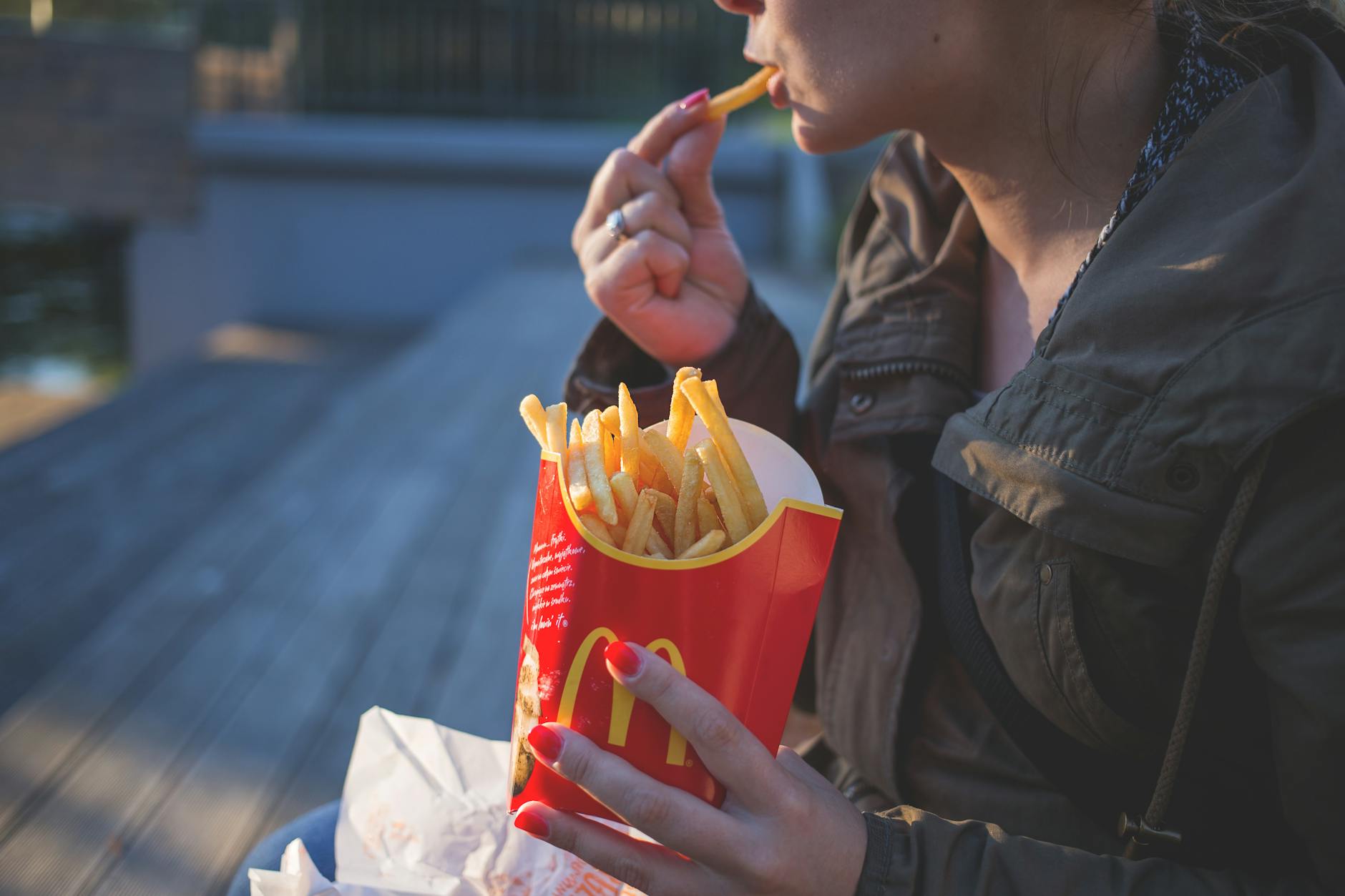
Photo by freestocks.org on Pexels | Source
What This Means for Fast-Casual Diners in 2026
For everyday consumers who love Sweetgreen — or who have been priced out of it — the menu pricing overhaul could represent a genuine opportunity to re-engage with the brand. If the company succeeds in introducing more accessible price points without gutting the quality that defines its identity, it could win back the lunch-crowd loyalists who have migrated to cheaper alternatives.
However, the risk is real: price cuts or value tiers could erode the premium perception that justifies Sweetgreen's brand positioning. In the fast-casual world, sliding down the price ladder is easy; climbing back up is extremely difficult.
For investors and industry watchers, Sweetgreen's menu strategy pivot is a bellwether for the broader fast-casual premium segment. If a brand with Sweetgreen's cult following and digital infrastructure cannot make the math work at current price points, it raises serious questions about the long-term viability of the "fast food, but make it healthy" category at scale.
Key Takeaways for Consumers and Investors
- Sweetgreen is actively rethinking its menu pricing, according to Restaurant Business Magazine reporting, signaling a strategic shift toward greater accessibility
- Inflationary pressure on wholesale food costs — up 2.9% year-over-year according to AP News — is squeezing restaurant margins industry-wide
- The fast-casual premium segment faces a structural challenge as value-conscious consumers reassess whether a $15+ salad bowl is worth it
- Sweetgreen's Infinite Kitchen automation remains a long-term bet, not a near-term financial solution
- Competitors like Chipotle and CAVA continue to outperform, putting added pressure on Sweetgreen to demonstrate a credible turnaround
Whether Sweetgreen's menu overhaul proves to be the reset the company needs — or a brand-diluting compromise — will likely become clearer over the coming quarters. For now, the chain's willingness to publicly acknowledge that something needs to change is itself a meaningful development in the fast-casual story of 2026.
Frequently Asked Questions
Why is Sweetgreen changing its menu pricing in 2026?
Sweetgreen is rethinking its menu pricing amid declining customer traffic and pressure from inflation-weary consumers who find its $13–$17 bowls increasingly hard to justify. The chain is exploring more accessible price points and simplified offerings to drive revenue and work toward profitability.
What is Sweetgreen's Infinite Kitchen and how does it affect prices?
The Infinite Kitchen is Sweetgreen's robotic bowl-assembly system designed to reduce labor costs and improve consistency. While it promises long-term savings, the high upfront capital costs mean it has not yet meaningfully lowered prices for consumers in 2026.
How does inflation affect fast-casual restaurant pricing in 2026?
U.S. wholesale prices rose 2.9% year-over-year according to AP News, pushing food ingredient costs higher for restaurant operators. This forces fast-casual chains to either raise prices, absorb losses, or rethink their menus — all of which Sweetgreen is currently navigating.
Is Sweetgreen profitable in 2026?
According to publicly available financial reporting, Sweetgreen has continued to post net losses as of early 2026. The company is under significant pressure from investors to demonstrate a credible path to profitability, which is a key driver behind its current menu and pricing strategy review.
How does Sweetgreen compare to Chipotle and CAVA?
Chipotle and CAVA have both demonstrated that fast-casual dining can scale profitably, which has raised investor expectations across the sector. Sweetgreen's continued losses and higher price points have made the comparison unfavorable, adding urgency to its 2026 strategy overhaul.


