

Iran Strike and China 2026: What the Hidden Power Struggle Means for You
As explosions reverberated across Tehran and Gulf cities in the final days of February 2026, most headlines focused on the immediate devastation — stranded travelers, surging oil prices, and a humanitarian catastrophe that, according to Iranian state media, included a strike on a girls' school killing at least 175 people. But a growing number of analysts, as reported by The Free Press, argue that the real target of the US-Israel military campaign against Iran is not Tehran at all — it is Beijing.
This perspective is reshaping how foreign policy experts, economists, and everyday investors are interpreting the conflict. Understanding the China dimension is not merely an academic exercise. It has direct consequences for global trade, commodity markets, technology supply chains, and the geopolitical order that governs them.
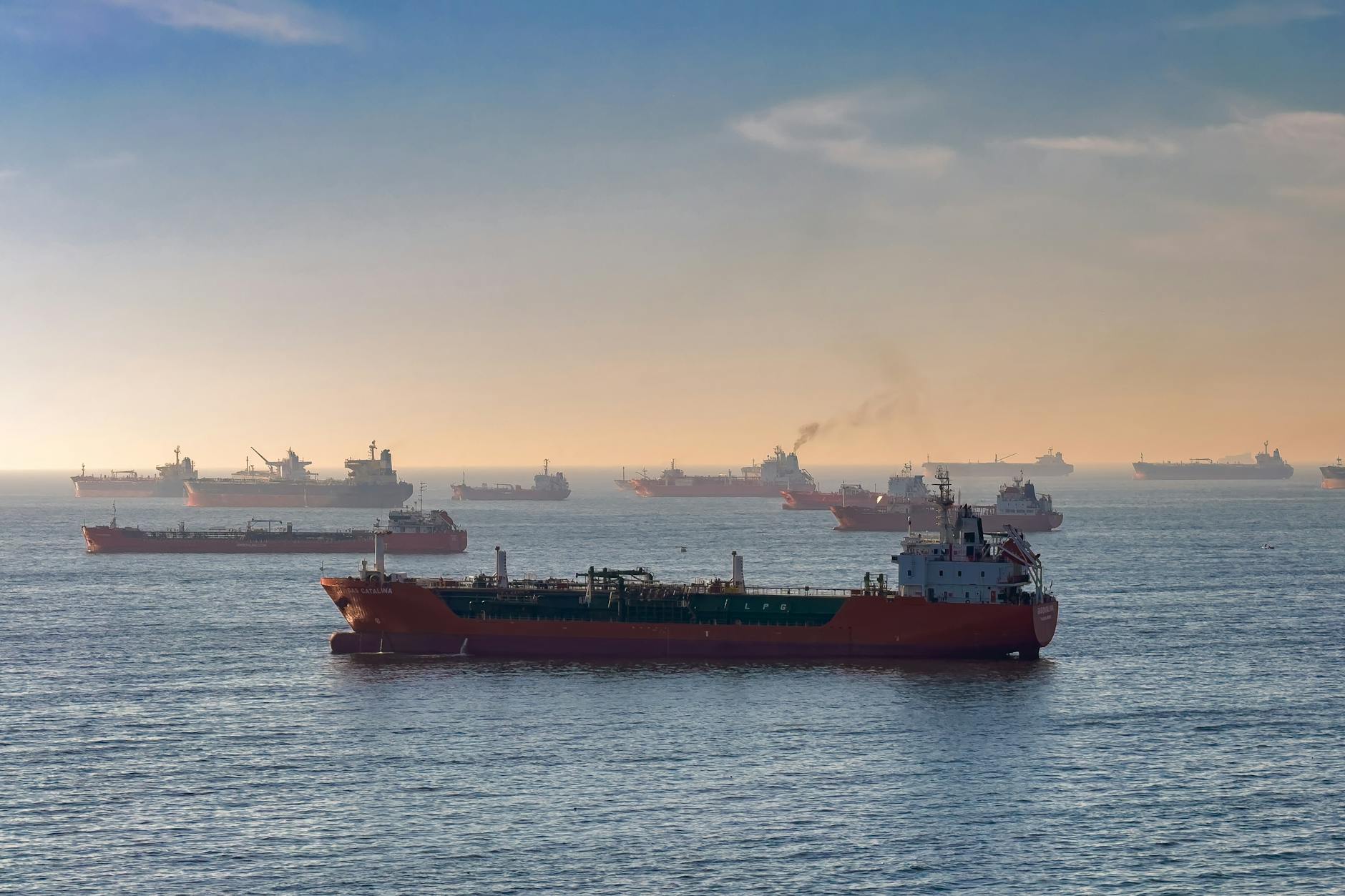
Photo by İrfan Simsar on Pexels | Source
The China Theory: What Analysts Are Saying
According to analysis published by The Free Press this week, the US-Israel strikes on Iran carry a strategic subtext aimed squarely at the People's Republic of China. The argument, as reported, rests on several interlocking pillars:
- Iran as China's energy lifeline: Iran has been one of China's primary sources of sanctioned oil, supplying Beijing with heavily discounted crude that helped insulate the Chinese economy from Western pressure. By crippling Iran's energy infrastructure, the strikes threaten to tighten Beijing's energy supply chain at a moment when China's economy is already under significant strain.
- Signaling military resolve: Analysts cited in the report suggest the operation serves as a direct demonstration to Beijing of what the United States and Israel are willing and capable of doing when a rival power crosses defined red lines — a message with obvious implications for Taiwan.
- Weakening the 'Axis of Resistance': Iran has functioned as a cornerstone of a network that includes Russia, North Korea, and various proxy forces — a coalition that China has quietly supported and benefited from. Dismantling that network, some experts argue, removes a key layer of strategic insulation for Beijing.
It is important to note that these are analytical interpretations reported by The Free Press and other outlets, not confirmed statements of US government intent. The official Joint Statement on Iran's Missile and Drone Attacks, released by the US Department of State this week, frames the operation primarily in terms of self-defense and regional security, with no explicit mention of China.
The Energy Dimension: Oil, Hormuz, and Beijing's Exposure
The China theory gains its sharpest edge when examined through the lens of energy markets. As Reuters reported this week, oil prices surged past $80 per barrel following the escalation, with analysts warning that the duration of any Strait of Hormuz disruption matters far more than previously anticipated OPEC+ output decisions.

Photo by J.D. Books on Pexels | Source
The Strait of Hormuz is the world's most critical oil chokepoint. According to Reuters, roughly 20% of global oil trade passes through its narrow waters. China, the world's largest crude importer, depends on this route for a substantial share of its energy imports. Any sustained closure or disruption would hit Beijing harder than almost any other major economy.
Key facts about the energy stakes, as reported this week:
- Brent crude was trading near $80 per barrel, according to Bloomberg Markets Wrap, as risk appetite collapsed across Asian and Western markets
- Asia stocks slid sharply, according to Investing.com, as markets priced in a prolonged conflict scenario
- The US dollar strengthened against major currencies, according to Reuters, as investors sought safe-haven assets — a dynamic that further pressures China's currency management strategy
- According to Bloomberg, China's Five-Year Plan, released this week, includes targeted fixes to commodities supply chains — a document whose timing, analysts note, reflects Beijing's acute awareness of its resource vulnerabilities
The confluence of these factors means China is not a passive bystander. Beijing faces concrete, immediate economic pain from the conflict, even without firing a single shot.
China's Five-Year Plan: A Response to Vulnerability?
Bloomberg reported this week on the release of China's latest Five-Year Plan, which notably targets structural fixes to commodities supply chains. While Chinese government documents rarely reference geopolitical contingencies directly, analysts quoted by Bloomberg suggest the plan reflects lessons learned from watching how Western sanctions devastated Russia's supply chains — and how a similar scenario applied to China would be far more economically catastrophic given Beijing's scale.
The plan, according to Bloomberg, addresses:
- Domestic production incentives for critical minerals and energy resources
- Strategic reserve expansion for key commodities
- Diversification of import routes to reduce dependence on any single chokepoint
Whether this plan was finalized before or in direct response to the current Iran conflict remains unclear. What is clear, as Bloomberg reports, is that the document arrives at a moment of acute strategic pressure on China's resource security.

Photo by Hanna Pad on Pexels | Source
What This Means for Global Markets and Everyday Investors
For investors and consumers watching these events unfold, the China dimension adds a layer of complexity to an already volatile situation. According to Bloomberg's Markets Wrap published this week, stocks slumped broadly as Brent crude climbed toward $80, with energy sector gains offset by sharp declines in technology, consumer discretionary, and emerging market equities.
The US dollar's safe-haven surge, reported by Reuters, carries its own set of implications:
- Stronger dollar pressure typically weighs on commodity prices over time, even as oil rises — creating cross-currents for investors
- Emerging markets with dollar-denominated debt face heightened refinancing pressure
- US consumers may see mixed effects: higher gasoline prices offset partially by a stronger dollar reducing the cost of imports from Asia
For China specifically, the combination of higher oil costs, a stronger dollar, and disrupted Iranian supply represents what one analyst, cited in the Reuters report, described as a "triple squeeze" on Beijing's economic management toolkit.
The Prediction Markets Have Spoken — and They're Watching China Too
In a striking data point reported by NPR this week, a prediction market trader identified as 'Magamyman' made $553,000 betting on the death of Iran's supreme leader — a bet that has now paid out. Prediction markets like Polymarket and Kalshi have seen extraordinary volumes around the Iran conflict, but traders familiar with these platforms note that a new cluster of bets has emerged around Taiwan Strait scenarios, reflecting growing market sentiment that the Iran conflict is being read, at least in part, as a signal about US resolve toward China.
NPR's reporting does not suggest these bets are based on insider information, but the pattern of trading activity is itself a data point that analysts are watching closely.
Key Takeaways
- The US-Israel strikes on Iran are being interpreted by a significant number of analysts, as reported by The Free Press, as carrying a strategic message to Beijing beyond the immediate conflict
- China's energy security is directly threatened by Hormuz disruptions, with Beijing importing a significant share of its crude through the strait
- China's new Five-Year Plan, reported by Bloomberg, targets commodities supply chain fixes in what analysts see as a response to structural vulnerability
- Global markets have reacted sharply, with oil above $80, stocks slumping, and the dollar strengthening — all dynamics that pressure China's economic position
- Official US government statements frame the operation in regional security terms, with no explicit reference to China as a strategic target
Whether or not the China theory fully explains US and Israeli decision-making, one fact is beyond dispute: the reverberations of this conflict are global, and Beijing is watching every development with an intensity that may shape the next chapter of great-power competition.
All figures and events referenced in this article are drawn from reporting published within the past seven days by The Free Press, Bloomberg, Reuters, NPR, Investing.com, and the US Department of State.
Frequently Asked Questions
Why do analysts say the Iran strike is about China?
According to reporting by The Free Press this week, analysts argue the US-Israel strikes on Iran serve a dual purpose: degrading Iran directly while signaling to Beijing the military resolve of the US and its allies. Iran supplies China with heavily discounted sanctioned oil, so disrupting Iranian infrastructure also tightens Beijing's energy supply chain.
How does the Iran conflict affect China's oil supply?
China relies heavily on Iranian crude imports, much of which transits through the Strait of Hormuz. Reuters reported this week that any sustained disruption to the strait — a chokepoint for roughly 20% of global oil trade — would hit China harder than almost any other major economy, threatening its energy security.
What is China's Five-Year Plan response to the Iran conflict?
Bloomberg reported this week that China's latest Five-Year Plan includes targeted fixes to commodities supply chains, including strategic reserve expansion and import route diversification. Analysts suggest the document reflects Beijing's awareness of its vulnerability to the kind of supply disruptions now playing out in the Middle East.
How have global markets reacted to the US-Iran conflict and its China dimension?
According to Bloomberg and Reuters reporting this week, oil prices surged past $80 per barrel, global stocks slumped broadly, and the US dollar strengthened as investors sought safe-haven assets. These dynamics collectively create what Reuters-cited analysts describe as a 'triple squeeze' on China's economic management.
Has the US government officially stated that the Iran strikes target China strategically?
No. The official Joint Statement released by the US Department of State this week frames the operation in terms of self-defense and regional security, with no explicit mention of China as a strategic target. The China interpretation is an analytical framework reported by outlets including The Free Press, not confirmed US government policy.


