

Oil Prices Are About to Surge — Here's What You Need to Know
If you've been watching the news lately, you already know the Middle East is on fire — and not just metaphorically. With U.S. and Israeli strikes on Iran, retaliatory missile attacks, tankers being targeted in the Strait of Hormuz, and Gulf stock markets in freefall, the global oil market is sitting on a powder keg. And analysts are now openly forecasting significant price jumps ahead — even as OPEC+ has pledged to raise output.
So what does all this mean for you — whether you're filling up your tank, paying your energy bills, or managing an investment portfolio? Let's break it down in plain language.
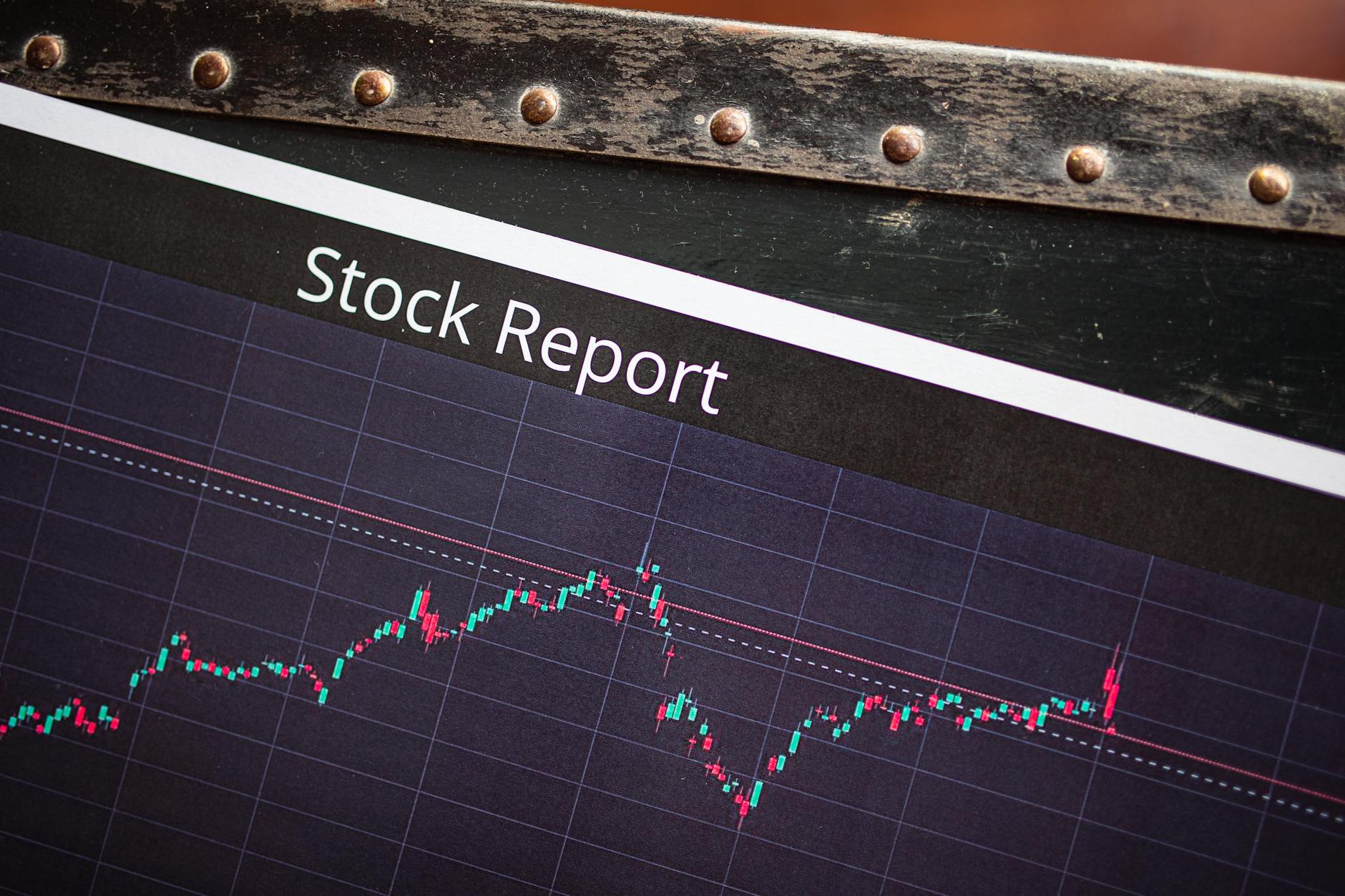
Photo by RDNE Stock project on Pexels | Source
Why Are Oil Prices Rising Despite OPEC+ Output Promises?
On paper, OPEC+ pledging to raise production should calm markets. More supply typically means lower prices, right? Not when geopolitical risk is this high.
Here's the problem: promises to produce more oil mean nothing if the oil can't physically get to market. And right now, the world's most critical shipping choke point — the Strait of Hormuz — is under direct threat.
The Strait of Hormuz is a narrow waterway between Iran and Oman through which roughly 20% of the world's oil supply passes every day. When Oman recently confirmed that an oil tanker had been attacked in those waters, markets didn't just twitch — they jolted.
Here's what's driving the price surge forecasts right now:
- Active military conflict between the U.S., Israel, and Iran with no ceasefire in sight
- Tanker attacks in the Strait of Hormuz raising insurance and transit costs dramatically
- Gulf stocks sliding, with Kuwait suspending trading entirely — a sign of deep regional instability
- Shipping reroutes: Maersk has already rerouted major services around the Cape of Good Hope, adding weeks and significant cost to deliveries
- Prediction markets going wild: Polymarket Iran-related bets have hit $529 million, signaling enormous uncertainty about how this conflict unfolds
Financial Times analysts have noted that even OPEC+'s commitment to raise output may be insufficient to counteract the risk premium now baked into crude prices — and that premium is only growing.
What Analysts Are Actually Saying
The Financial Times recently reported that oil prices are forecast to jump despite the OPEC+ output pledge, with multiple analysts citing the Iran conflict as the primary wildcard. The logic is straightforward: markets don't price in what should happen — they price in what might happen. And right now, what might happen includes:
- A total Hormuz blockade by Iran, which Tehran has threatened in the past during periods of maximum pressure
- Expanded attacks on Gulf state oil infrastructure, similar to the 2019 drone strikes on Saudi Aramco facilities
- Insurance market seizure, where Lloyd's and other underwriters refuse to cover tankers transiting the region — effectively shutting down oil flows regardless of physical military action
Goldman Sachs and other major institutions have been quietly revising their Brent crude forecasts upward. While specific price targets vary, the direction of travel is unmistakable: higher for longer, driven by risk rather than fundamentals.
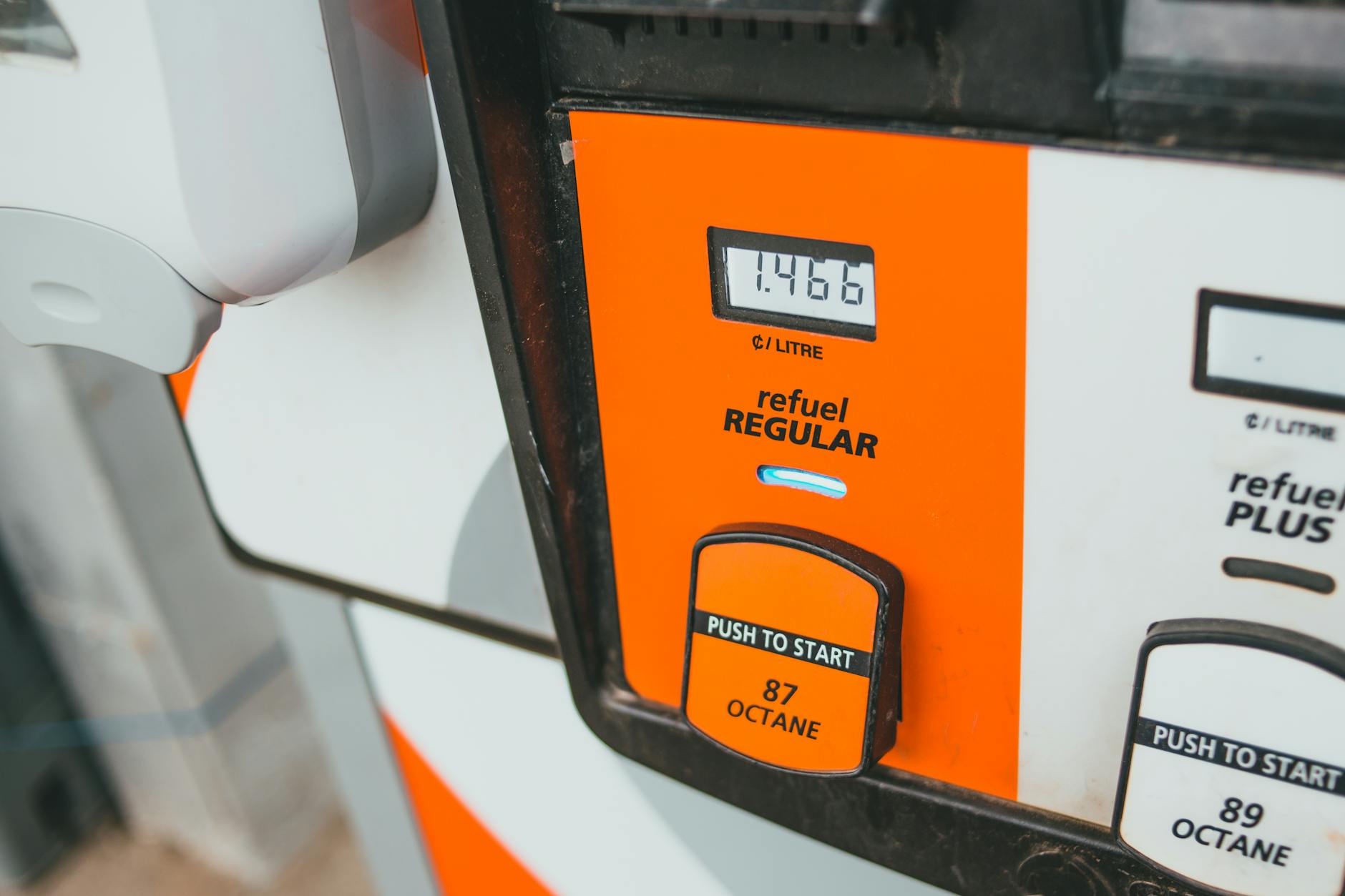
Photo by Erik Mclean on Pexels | Source
How This Hits Your Wallet Directly
You don't need to be an oil trader to feel the impact of rising crude prices. Here's how the shock wave travels from the Persian Gulf to your everyday life:
1. Gas Prices at the Pump
The most immediate and visible impact. Crude oil makes up roughly 50–55% of the cost of gasoline. When Brent or WTI crude jumps significantly, pump prices follow within weeks — sometimes days.
2. Energy Bills
Natural gas prices are somewhat independent of crude, but they tend to move in correlation during broad energy market disruptions. Heating oil, used by millions of homes in the U.S. Northeast, is directly tied to crude.
3. Airfare
Jet fuel is one of the biggest operating costs for airlines. When oil spikes, airlines either absorb the loss (briefly) or pass it on through higher ticket prices and fuel surcharges. Both happen fast.
4. Grocery and Consumer Goods Prices
This one surprises people. Virtually everything you buy travels by truck, ship, or plane — all powered by petroleum products. When fuel costs spike, so do logistics costs, and those get passed to consumers.
5. Inflation Broadly
Energy is a key input for the entire economy. A sustained oil price spike is one of the fastest ways to reignite inflation — which is particularly alarming given that central banks in the U.S. and Europe have only recently started cutting rates after years of fighting post-pandemic price surges.
What Investors Should Watch
If you have money in markets, the Iran-oil nexus deserves your close attention right now. Here are the key dynamics playing out:
Winners (potentially):
- Energy stocks — ExxonMobil, Chevron, BP, Shell, and major independents typically see stock prices move in line with crude
- Defense contractors — Lockheed Martin, RTX (Raytheon), Northrop Grumman tend to benefit during active military conflicts
- Commodity ETFs — Energy-focused ETFs like XLE have historically performed well during Middle East supply disruptions
Losers (potentially):
- Airlines — Delta, United, American are all sensitive to jet fuel costs
- Consumer discretionary — When energy costs rise, consumers cut spending elsewhere
- Emerging market economies — Countries that are net oil importers and have dollar-denominated debt face a double squeeze
One important caveat: markets are volatile and prediction is hard. The Polymarket data showing $529 million in Iran-related bets illustrates just how much uncertainty is priced in right now. Geopolitical situations can de-escalate as quickly as they escalate.

Photo by Fahrettin Turgut on Pexels | Source
The Dollar Wildcard
Here's a factor that doesn't get enough attention in mainstream coverage: Trump's Iran strikes are accelerating what The Guardian and other outlets have described as the world's drift away from dollar dominance. Oil has historically been priced in U.S. dollars — the so-called "petrodollar" system. But as U.S. military actions increase uncertainty, some Gulf states and Asian economies are accelerating conversations about pricing oil in alternative currencies.
If that shift gains momentum — even modestly — it changes the calculus for oil prices, dollar strength, and U.S. borrowing costs in ways that ripple through every corner of the global economy.
What Should You Actually Do Right Now?
Here's some practical, actionable guidance without the financial-media hysteria:
- Don't panic-buy gasoline — Strategic stockpiling by consumers actually worsens price spikes
- Review your energy exposure in your portfolio — Now might be a reasonable time to assess whether you're over- or underweight energy stocks relative to your risk tolerance
- Consider locking in travel costs — If you have summer travel planned, booking sooner rather than later may shield you from airfare surcharges
- Watch the Hormuz news closely — A confirmed sustained blockade would be a market-moving event of historic proportions
- Don't make major financial decisions based on a single scenario — Geopolitical situations are notoriously hard to predict; maintain diversification
The bottom line: oil prices are under real upward pressure right now, and the forecasts reflect genuine structural risk — not just trader speculation. Stay informed, stay calm, and make sure your financial plans account for a world where energy costs could be meaningfully higher over the next 6–12 months.
This article is for informational purposes only and does not constitute financial advice. Always consult a qualified financial advisor before making investment decisions.
Frequently Asked Questions
How much could oil prices rise because of the Iran conflict in 2026?
Analysts are forecasting meaningful price jumps driven by geopolitical risk premiums, with some scenarios involving Hormuz disruptions pushing Brent crude significantly higher. The exact figure depends heavily on whether the conflict escalates further or de-escalates, which remains deeply uncertain.
What happens if Iran blocks the Strait of Hormuz?
A full or partial blockade of the Strait of Hormuz would be an extreme supply shock, as roughly 20% of global oil passes through it daily. Such a scenario would likely cause oil prices to spike dramatically and trigger emergency responses from the U.S. Strategic Petroleum Reserve and allied nations.
Will gas prices go up because of the Iran war in 2026?
Yes, if crude oil prices rise sustained due to Iran-related supply fears, gas prices at the pump typically follow within days to weeks. The size of the increase depends on how long tensions persist and whether key supply routes like the Strait of Hormuz are disrupted.
Should I invest in energy stocks during the Iran conflict?
Energy stocks historically benefit when crude oil prices rise due to geopolitical supply concerns, but they also carry high volatility. It's important to consult a financial advisor and consider your overall portfolio diversification before making changes based on a single geopolitical event.
Why are Gulf stock markets falling if oil prices are rising?
Gulf stock markets are falling because regional investors fear the direct economic and physical damage from the conflict outweighs any short-term gain from higher oil prices. Kuwait suspended trading entirely as a precautionary measure amid the heightened uncertainty and regional instability.


