

US Forces in Active Air-Defense Battles With Iran: What You Need to Know
If you've been following the news this week, you already know things have escalated dramatically in the Middle East. U.S. forces are now locked in active air-defense battles with Iranian forces following joint U.S.-Israel strikes on Iran. French President Emmanuel Macron has called for an urgent U.N. Security Council meeting, oil markets are bracing for significant disruption, and world leaders are scrambling to contain what many analysts are calling the most dangerous geopolitical flashpoint since the early 2000s.
This isn't just a foreign policy story. It's a story that touches your gas prices, your investment portfolio, global trade routes, and the stability of the international order. Let's break it all down — clearly, honestly, and without the noise.

Photo by Julien Goettelmann on Pexels | Source
How We Got Here: The Strikes That Changed Everything
In the final days of February 2026, U.S. and Israeli forces conducted coordinated strikes on Iranian targets. The strikes were reportedly aimed at Iran's nuclear and military infrastructure — a move the Trump administration framed as a necessary preemptive action. President Trump publicly called for regime change in Tehran, a statement that sent shockwaves through diplomatic circles worldwide.
Iran wasted little time in retaliating. According to officials cited by Business Insider, U.S. forces are now actively engaged in air-defense battles, intercepting Iranian drones and missiles targeting American assets in the region. This marks a significant and dangerous escalation — one that moves the conflict from the realm of proxy warfare into something far more direct.
Here's a quick timeline of how events unfolded:
- U.S.-Israel strikes on Iran — targeting military and nuclear facilities
- Iran retaliates — launching drone and missile attacks on U.S. bases in the region
- U.S. air-defense systems activated — intercepting incoming threats in live combat conditions
- Macron calls emergency U.N. Security Council meeting — Europe scrambles for diplomatic off-ramp
- Trump calls for regime change — further inflaming tensions and closing diplomatic doors
What makes this particularly volatile is the speed at which it's unfolding. Diplomatic back-channels that typically slow escalation appear to be largely absent right now.
What This Means for Oil Markets
Let's talk about what most people are really worried about: the economic impact.
Iran sits at one of the most strategically critical chokepoints in global energy infrastructure — the Strait of Hormuz. Roughly 20% of the world's oil supply passes through this narrow waterway. Any serious disruption there doesn't just spike prices at the pump — it reshapes the entire global economy.
As Bloomberg and CNBC have both reported this week, markets are already bracing. Analysts are drawing comparisons to the Venezuela crisis, but with far larger ramifications. Here's why:
- Iran is OPEC's third-largest producer when operating at full capacity
- Gulf Arab states like Saudi Arabia and the UAE are watching nervously — any spillover threatens their own infrastructure
- Energy traders are pricing in a significant risk premium on Brent crude
- U.S. shale producers may benefit short-term from higher prices, but supply chain disruptions could offset gains
If the Strait of Hormuz is disrupted — even temporarily — expect crude prices to spike sharply. That translates directly into higher gasoline prices for American consumers, higher transportation costs for businesses, and inflationary pressure at a time when the U.S. is already dealing with wholesale prices running hotter than expected (up 0.5% from December, per the latest AP data).
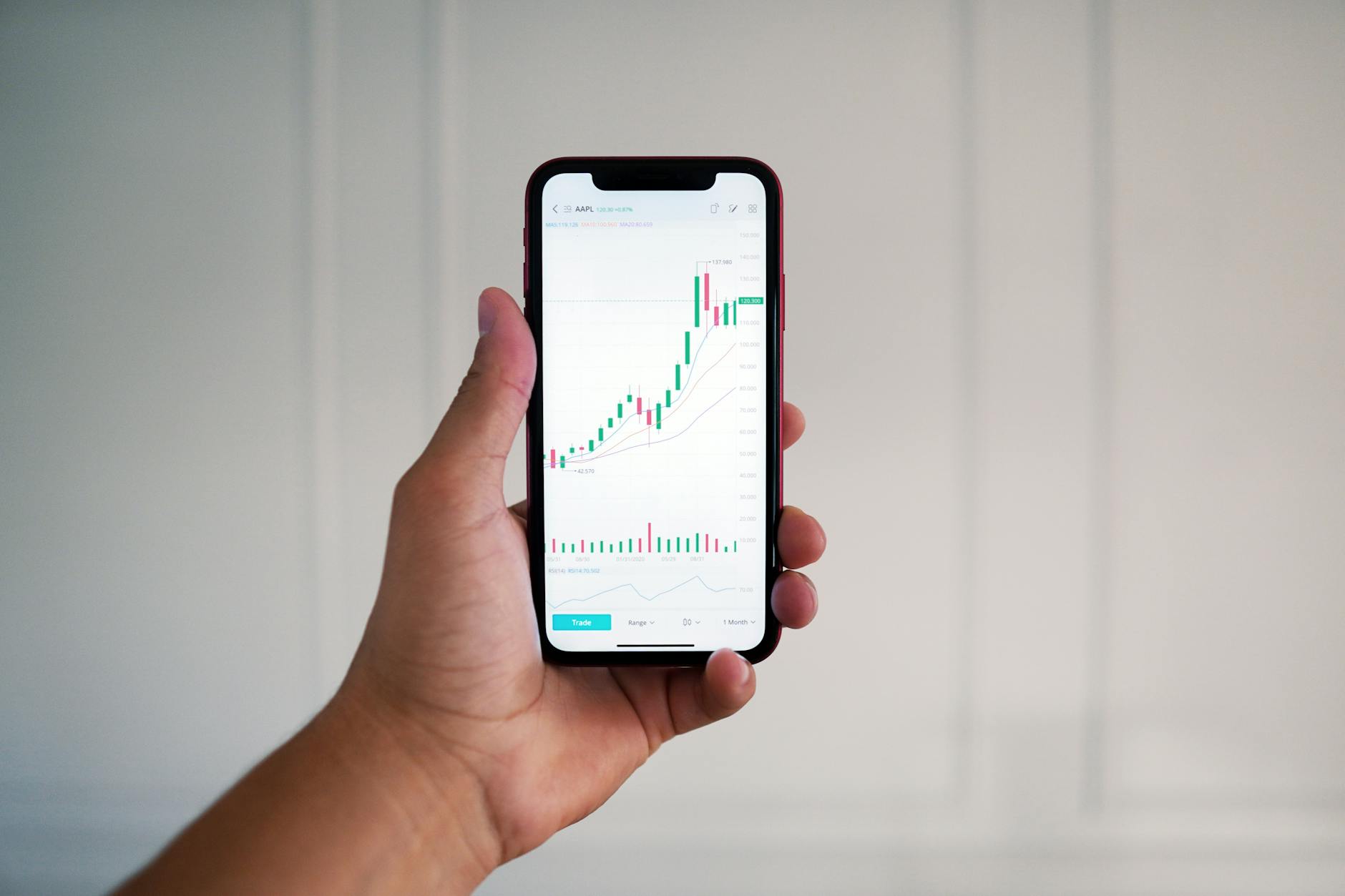
Photo by Joshua Mayo on Pexels | Source
How Global Markets Are Reacting
Beyond oil, the broader market reaction has been swift and telling.
Equities are under pressure. The Dow and S&P 500 have seen increased volatility as investors weigh geopolitical risk against an already uncertain economic backdrop. Defense stocks, unsurprisingly, are seeing increased interest.
Bitcoin is sliding. As CoinDesk reported, BTC has dropped as Iranian conflict escalates — contrary to the popular narrative that crypto serves as a geopolitical safe haven. In reality, during acute risk-off events, investors tend to flee to traditional safe havens like gold, U.S. Treasuries, and the dollar.
Gold is rising. This is the classic flight-to-safety trade, and it's playing out exactly as you'd expect. If you hold gold in your portfolio, this is the moment that holding is paying off.
The dollar is strengthening. A stronger dollar is a double-edged sword — it helps with import costs but hurts U.S. exporters and puts pressure on emerging market economies carrying dollar-denominated debt.
For everyday investors, the key message is this: don't panic, but do pay attention. Geopolitical crises tend to create short-term volatility without permanently derailing long-term market trends — unless they escalate into something systemic. Right now, the situation remains fluid.
The Diplomatic Picture: What Macron's U.N. Move Means
France's push for an emergency U.N. Security Council meeting signals that European allies are deeply alarmed — not just about the immediate conflict, but about the long-term unraveling of the diplomatic architecture that has governed Iran relations for decades.
The challenge is structural. The U.N. Security Council's effectiveness is limited by veto power. Russia and China are unlikely to support any resolution that meaningfully constrains Iran or endorses U.S. military action. What the Security Council meeting can do is:
- Create political space for a ceasefire or pause in hostilities
- Signal to Iran that the international community is watching
- Provide cover for Gulf Arab states to quietly push for de-escalation
- Document the conflict for future diplomatic and legal processes
Macron's move is also a political statement — Europe is asserting that it has a role in resolving this crisis, even as the Trump administration has shown little interest in multilateral frameworks.
What Should You Actually Do Right Now?
Here's where we get practical. Whether you're an investor, a traveler, or just a concerned citizen, there are concrete steps worth considering:
If you're an investor:
- Don't make panic moves. History shows that markets recover from geopolitical shocks, often faster than expected.
- Review your energy exposure. If you hold oil ETFs or energy sector stocks, be aware of the heightened volatility.
- Consider defensive assets. Gold, Treasury bonds, and dividend-paying defensive stocks tend to hold up better during risk-off periods.
- Watch the Strait of Hormuz. If there are credible reports of disruption there, oil prices could move dramatically and fast.
If you're planning to travel:
- Check U.S. State Department travel advisories for the Middle East region.
- Avoid non-essential travel to countries neighboring Iran.
- Ensure your travel insurance covers geopolitical disruption.
For your day-to-day life:
- Expect gas prices to rise in the near term. Budget accordingly.
- Be skeptical of viral information — this is a fast-moving story and misinformation is spreading rapidly.
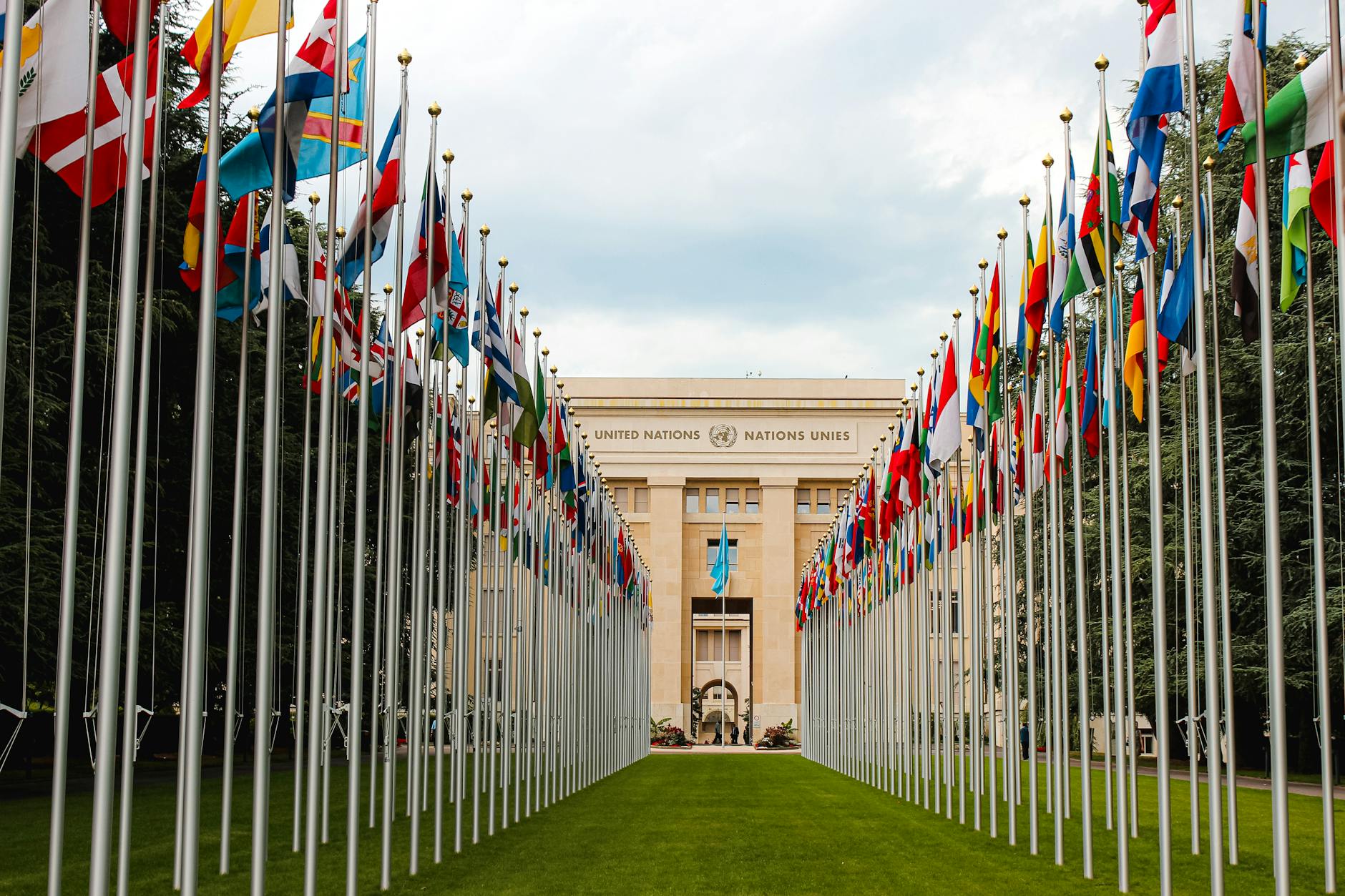
Photo by Mathias Reding on Pexels | Source
The Bigger Picture: What This Crisis Reveals
Beyond the immediate headlines, the U.S.-Iran conflict of 2026 is revealing something important about the state of the world: the rules-based international order is under serious strain.
NATO allies are alarmed. Gulf Arab states are hedging their bets. China and Russia are watching carefully for opportunities. And the United States is now simultaneously managing a major Middle East military engagement while dealing with inflation, a weakening labor market, and record national debt.
The Fortune headline this week about Americans leaving the U.S. at Great Depression-era rates isn't unrelated to all of this. When geopolitical uncertainty combines with domestic economic anxiety, it creates a compound stress on national confidence and cohesion.
None of this means catastrophe is inevitable. History also shows that crises like this can produce unexpected diplomatic breakthroughs — particularly when all parties begin to feel the economic pain of prolonged conflict. Iran's economy is already severely strained by sanctions. The U.S. has its own fiscal constraints. There are incentives on both sides to find an off-ramp, even if the current rhetoric makes that seem distant.
Final Thoughts
The U.S.-Iran air battles of 2026 are a serious escalation that deserves your attention — not your panic. Stay informed from credible sources, be cautious with your investments in the short term, and understand that the full economic and geopolitical impact will take weeks or months to fully materialize.
What's clear is that the world has entered a more volatile phase, and the decisions made in the next few days and weeks could shape the geopolitical landscape for years to come. We'll be tracking this story closely at TrendPlus — check back for updates as events develop.
FAQ
What triggered the U.S.-Iran conflict in 2026? The conflict escalated following joint U.S.-Israeli strikes on Iranian military and nuclear infrastructure in late February 2026. Iran retaliated with drone and missile attacks on U.S. bases, leading to active air-defense engagements by American forces.
How will the U.S.-Iran war affect oil prices? Oil prices are expected to rise significantly due to the risk of disruption to the Strait of Hormuz, through which approximately 20% of global oil supply passes. Energy traders are already pricing in a geopolitical risk premium, and a sustained conflict could push crude prices sharply higher.
Is bitcoin a safe haven during the Iran crisis? Despite popular belief, bitcoin has not acted as a safe haven during this crisis — it has actually declined. Traditional safe-haven assets like gold, U.S. Treasuries, and the dollar have seen stronger demand during this risk-off environment.
What is France doing about the U.S.-Iran conflict? French President Emmanuel Macron called for an urgent U.N. Security Council meeting in response to the escalating conflict. Europe is pushing for diplomatic de-escalation, though the council's effectiveness is limited by the veto powers of Russia and China.
Should I change my investment strategy because of the Iran conflict? Financial advisors generally recommend against making panic-driven investment decisions during geopolitical crises. However, reviewing your exposure to energy sector assets, considering defensive holdings like gold or Treasuries, and monitoring the situation closely are all prudent steps during heightened uncertainty.
Frequently Asked Questions
What triggered the U.S.-Iran conflict in 2026?
The conflict escalated following joint U.S.-Israeli strikes on Iranian military and nuclear infrastructure in late February 2026. Iran retaliated with drone and missile attacks on U.S. bases, leading to active air-defense engagements by American forces.
How will the U.S.-Iran war affect oil prices?
Oil prices are expected to rise significantly due to the risk of disruption to the Strait of Hormuz, through which approximately 20% of global oil supply passes. Energy traders are already pricing in a geopolitical risk premium, and a sustained conflict could push crude prices sharply higher.
Is bitcoin a safe haven during the Iran crisis?
Despite popular belief, bitcoin has not acted as a safe haven during this crisis — it has actually declined. Traditional safe-haven assets like gold, U.S. Treasuries, and the dollar have seen stronger demand during this risk-off environment.
What is France doing about the U.S.-Iran conflict?
French President Emmanuel Macron called for an urgent U.N. Security Council meeting in response to the escalating conflict. Europe is pushing for diplomatic de-escalation, though the council's effectiveness is limited by the veto powers of Russia and China.
Should I change my investment strategy because of the Iran conflict?
Financial advisors generally recommend against making panic-driven investment decisions during geopolitical crises. However, reviewing your exposure to energy sector assets, considering defensive holdings like gold or Treasuries, and monitoring the situation closely are all prudent steps during heightened uncertainty.


