
Xbox Project Helix vs PlayStation 6: Which Next-Gen Console Wins 2026?
The console wars just got a whole lot more interesting. Xbox CEO Phil Spencer has officially confirmed that the next-generation Xbox console — codenamed Project Helix — will be capable of playing PC games natively. At the same time, PlayStation is reportedly moving away from PC ports entirely, doubling down on console exclusivity. These two strategies couldn't be more different, and they could reshape how millions of gamers decide where to spend their money in 2026 and beyond.
So, what does this mean for you? Whether you're a loyal Xbox fan, a die-hard PlayStation devotee, or just someone trying to figure out which box deserves a spot under your TV, this deep dive has you covered.

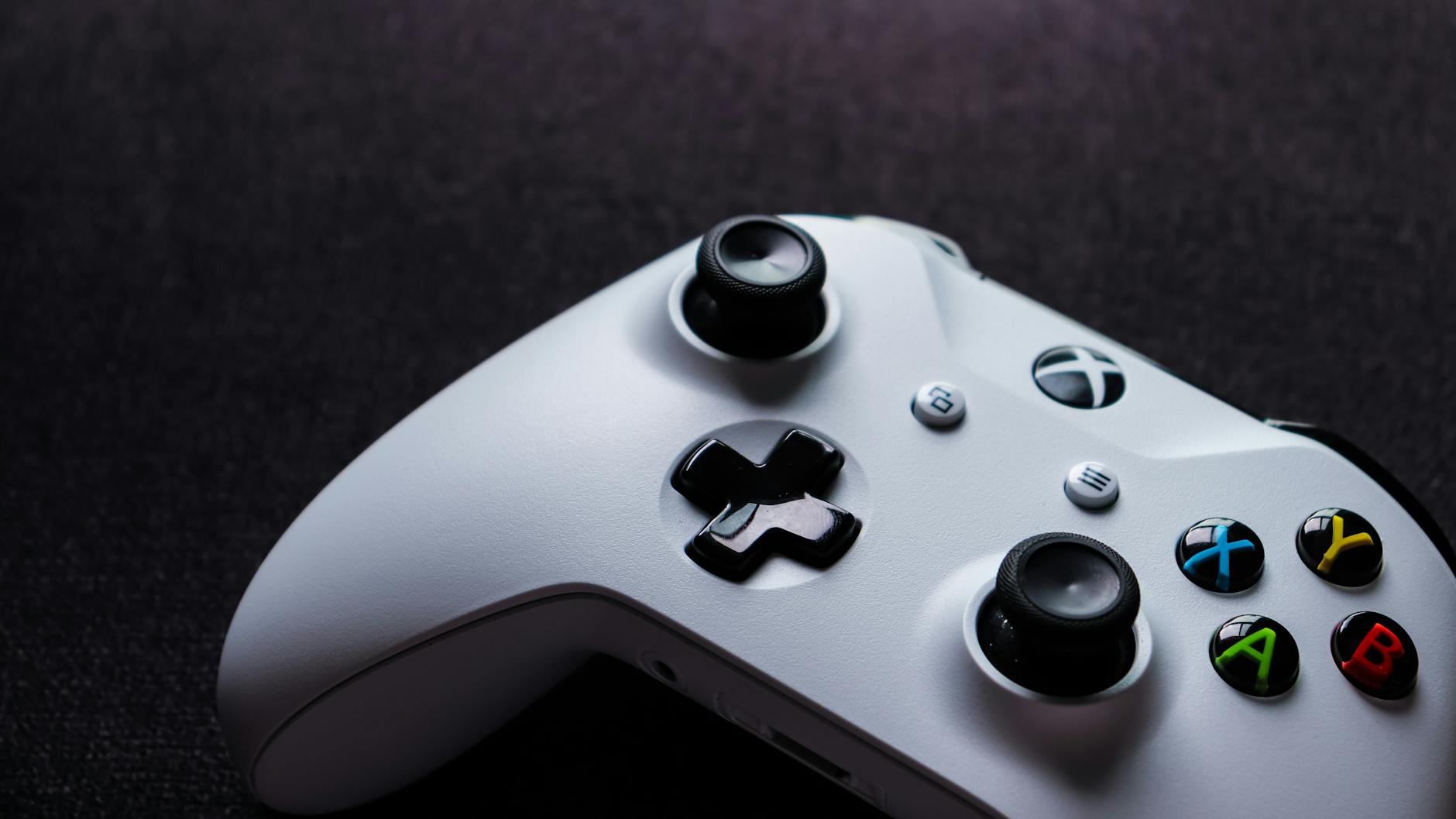
Photo by Sanket Mishra on Pexels | Source
What We Know About Xbox Project Helix
Phil Spencer's confirmation of Project Helix's PC game compatibility is arguably the biggest console announcement in years. Here's a breakdown of what's been confirmed and what we can reasonably expect:
- PC Game Compatibility: Project Helix will play games from the Windows PC ecosystem, blurring the line between Xbox and PC gaming in a way we've never seen before.
- Unified Library: Xbox Game Pass subscribers could theoretically access a massive unified library spanning both console-native and PC titles.
- Hardware Architecture: Microsoft has been gradually aligning Xbox hardware with PC architecture since the Xbox One era. Project Helix appears to be the culmination of that long-term strategy.
- Developer Friendliness: With PC and console sharing a closer development environment, games may be easier to port and optimize — which could mean more titles and faster release schedules.
This is a bold, ecosystem-first play. Microsoft isn't just selling you a console; it's selling you an entry point into the broader Windows gaming universe. For someone who game on both PC and console, this could be genuinely revolutionary.
But here's the catch: if Project Helix plays PC games, what's the incentive to buy it over just building or buying a gaming PC? Microsoft will need to answer that question convincingly — likely through pricing, exclusive hardware optimization, and the continued strength of Xbox Game Pass.

Photo by Jakub Zerdzicki on Pexels | Source
PlayStation's Counter-Move: Doubling Down on Exclusivity
While Microsoft is opening its doors wide, Sony appears to be heading in the opposite direction. According to a recent report from The Verge, PlayStation is reportedly pulling back from its strategy of porting games to PC — a strategy that had been generating significant revenue through titles like God of War, Spider-Man, and Horizon Zero Dawn.
This is a major strategic pivot. Here's why it matters:
- Exclusivity as Identity: Sony's greatest weapon has always been its first-party exclusive lineup. By keeping those titles console-only (at least initially), they reinforce the value of owning a PlayStation.
- Revenue Trade-Off: PC ports have been profitable for Sony, so pulling back is a calculated risk — a bet that exclusivity drives more hardware sales than multi-platform revenue.
- PlayStation 6 Anticipation: Sony hasn't officially confirmed PS6 details yet, but the shift in PC strategy strongly suggests they're positioning the next console as a must-own device rather than one of several ways to access PlayStation games.
For gamers, this means that if you want to play the next God of War or Spider-Man title at launch, you may need to own a PlayStation — full stop.
Side-by-Side: What Each Platform Offers
Let's break down how these two next-gen platforms stack up based on current information:
| Feature | Xbox Project Helix | PlayStation 6 (Expected) |
|---|---|---|
| PC Game Support | ✅ Confirmed | ❌ Console-exclusive focus |
| Subscription Service | Xbox Game Pass (strong) | PlayStation Plus (growing) |
| Exclusive Strategy | Multi-platform / ecosystem | Console-first exclusivity |
| PC Port Strategy | Unified with PC | Reportedly pulling back |
| Developer Ecosystem | Windows/Xbox unified | PlayStation Studios exclusives |
These aren't just feature differences — they represent fundamentally different philosophies about what a gaming console should be.
Which Strategy Is Actually Better for Gamers?
This is where it gets nuanced, because the answer genuinely depends on what kind of gamer you are.
Go with Xbox Project Helix if:
- You also play games on PC and want a unified experience
- You're a Game Pass subscriber and love having a massive rotating library
- You prefer flexibility and value ecosystem access over exclusive titles
- You want the option to play with mouse and keyboard or controller
Go with PlayStation 6 if:
- You're invested in PlayStation's exclusive franchises (God of War, Spider-Man, The Last of Us, Horizon)
- You prefer a curated, console-first experience
- You don't game on PC and want the best exclusive single-player titles
- You value PlayStation's track record of high-quality narrative games
For most casual to mid-core gamers, the PlayStation's exclusives will remain a powerful draw. For enthusiast gamers who straddle both PC and console, Project Helix could be genuinely game-changing — no pun intended.

Photo by Pascal 📷 on Pexels | Source
The Bigger Picture: What This Means for the Gaming Industry
Beyond the consumer choice angle, these two diverging strategies could have massive implications for the entire gaming industry.
Microsoft's PC-console convergence could pressure game developers to build for a more unified ecosystem, potentially leading to fewer platform-exclusive deals over time. It also strengthens Microsoft's hand in the subscription economy — if you can access Xbox Game Pass content on PC and console with one subscription, the value proposition becomes harder to ignore.
Sony's exclusivity play, meanwhile, keeps first-party studios front and center. It's a reminder that PlayStation's greatest strength has never been hardware specs — it's been storytelling, world-building, and the kind of cinematic gaming experiences that studios like Naughty Dog and Santa Monica Studio deliver.
There's also the third-party wildcard. Major publishers like EA, Activision Blizzard (now under Microsoft), Ubisoft, and 2K Games will continue releasing titles on both platforms, so the console war will largely be decided by exclusives, price, and ecosystem value — not third-party support.
What Should You Do Right Now?
Here's some practical advice as we wait for more official announcements:
- Don't rush to pre-order anything yet — neither console has a confirmed release date or final price tag.
- Assess your current gaming habits: Do you play on PC? Stream games? Buy physical discs? Your answers will heavily influence which platform suits you.
- Watch Xbox's Game Pass pricing — if Microsoft raises subscription prices alongside Project Helix's launch, the value calculation changes significantly.
- Follow PlayStation's exclusive reveal cadence — Sony typically announces exclusive titles 12-18 months before launch, which could happen at a major showcase later in 2026.
- Consider waiting for reviews — early adopters take the biggest risks. If history is any guide, launch hardware often has teething issues.
The console wars are heating up faster than anyone expected in 2026, and both Microsoft and Sony are making bold, consequential bets. The good news? There's no truly "wrong" choice here — both platforms will offer outstanding gaming experiences. The question is simply which ecosystem aligns better with how you like to play.
Stay tuned to TrendPlus for ongoing coverage as both Project Helix and PlayStation 6 approach their official reveals. This story is just getting started.
Frequently Asked Questions
Will Xbox Project Helix play PC games natively?
Yes, Xbox CEO Phil Spencer has confirmed that Project Helix will support PC game compatibility. This makes it the first major console to natively bridge the gap between console and PC gaming in a meaningful way.
Is PlayStation pulling all games from PC in 2026?
According to reports from The Verge, PlayStation is moving away from its PC porting strategy, which previously brought titles like God of War and Spider-Man to PC. This suggests Sony is doubling down on console exclusivity to drive PlayStation hardware sales.
When will Xbox Project Helix be released?
Microsoft has not yet confirmed an official release date for Project Helix. The console is expected to be announced in more detail later in 2026, with a possible holiday 2026 or 2027 launch window being speculated.
Should I buy an Xbox or PlayStation for exclusives in 2026?
If exclusive single-player narrative games are your priority — like God of War, Spider-Man, or The Last of Us — PlayStation remains the stronger choice. If you value ecosystem flexibility, Game Pass access, and PC integration, Xbox Project Helix has the edge.
What's the difference between Xbox Project Helix and a gaming PC?
While Project Helix will play PC games, it's expected to offer a streamlined, console-like plug-and-play experience at a lower price point than a comparable gaming PC. Microsoft will likely differentiate it through Xbox Game Pass integration, optimized performance, and controller-first design.


