
37 Million Pounds of Frozen Foods Recalled Over Glass Contamination Concerns
A massive frozen food recall is underway in the United States, after a Portland, Oregon-based company was forced to pull approximately 37 million pounds of frozen food products from store shelves over fears that the items may contain dangerous glass fragments, according to reports from KATU News. The recall, which ranks among the largest frozen food withdrawals in recent U.S. history, has sent shockwaves through grocery retailers and left millions of consumers scrambling to check their freezers.
The scale of this recall is difficult to overstate. Thirty-seven million pounds of product represents an enormous quantity of food that may have already made its way into households across the country. Food safety officials are urging consumers not to consume any affected products and to check lot numbers and packaging details carefully before eating any frozen goods purchased recently from potentially affected brands.

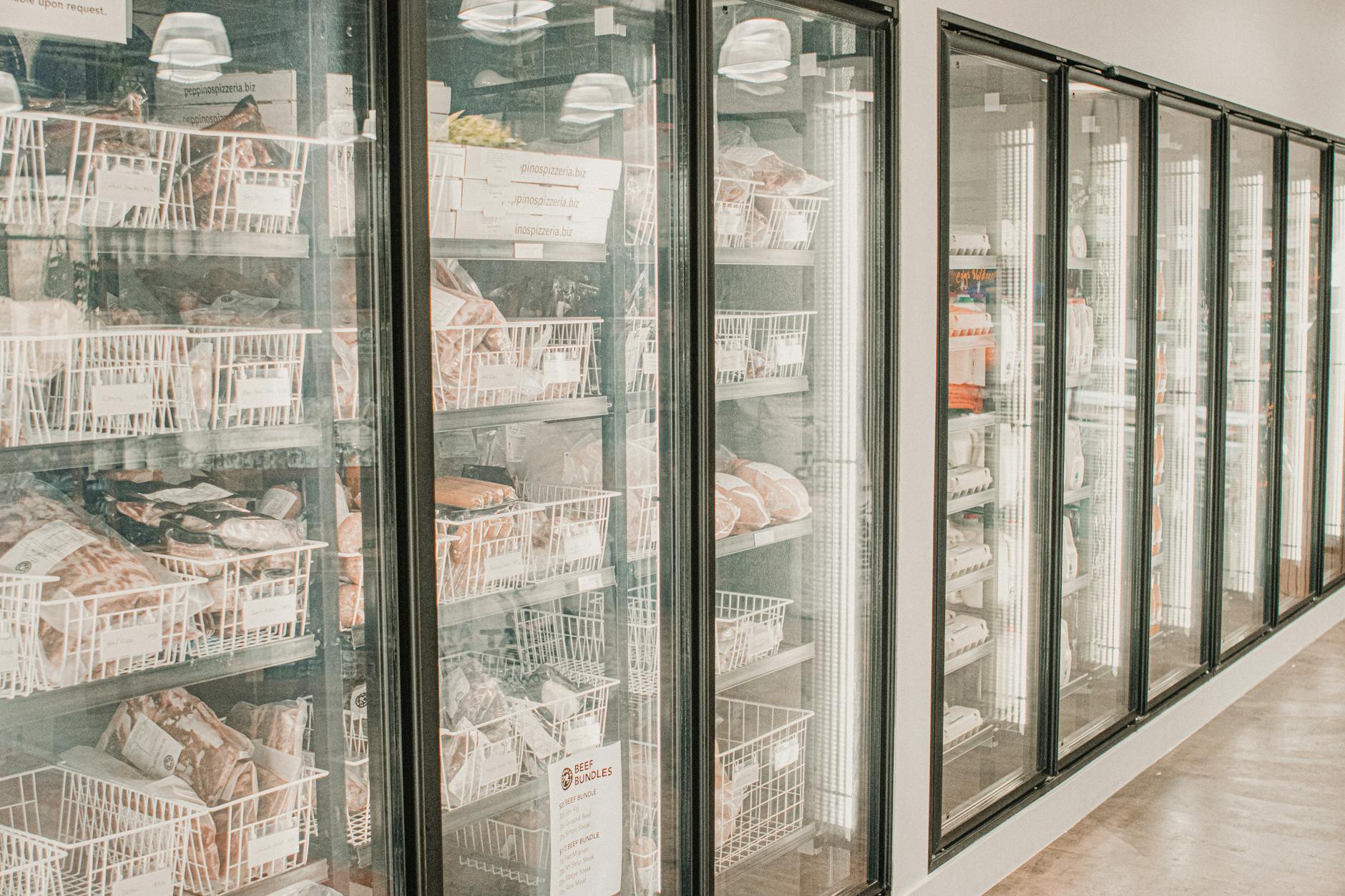
Photo by ha ha on Pexels | Source
What Products Are Affected and Why?
According to reports, the recall involves frozen food products produced by a Portland, Oregon-based manufacturer, though full brand and product line details were being actively published and updated by authorities at the time of reporting. The contamination concern centers on the possible presence of glass fragments within the food — a so-called "hard or sharp foreign material" hazard that the U.S. Food and Drug Administration (FDA) and the U.S. Department of Agriculture (USDA) classify as a serious health risk.
Glass contamination in food manufacturing typically occurs due to:
- Broken equipment components such as light fixtures, gauges, or processing machinery within food production facilities
- Packaging failures where glass containers or covers shatter during the production line process
- Supplier-side contamination introduced before raw materials reach the final production stage
The ingestion of glass fragments — even small ones — can cause serious internal injuries, including lacerations to the mouth, throat, esophagus, and digestive tract. Health officials consistently treat glass contamination as a Class I recall risk, meaning there is a reasonable probability that consumption of the affected product will cause serious adverse health consequences.
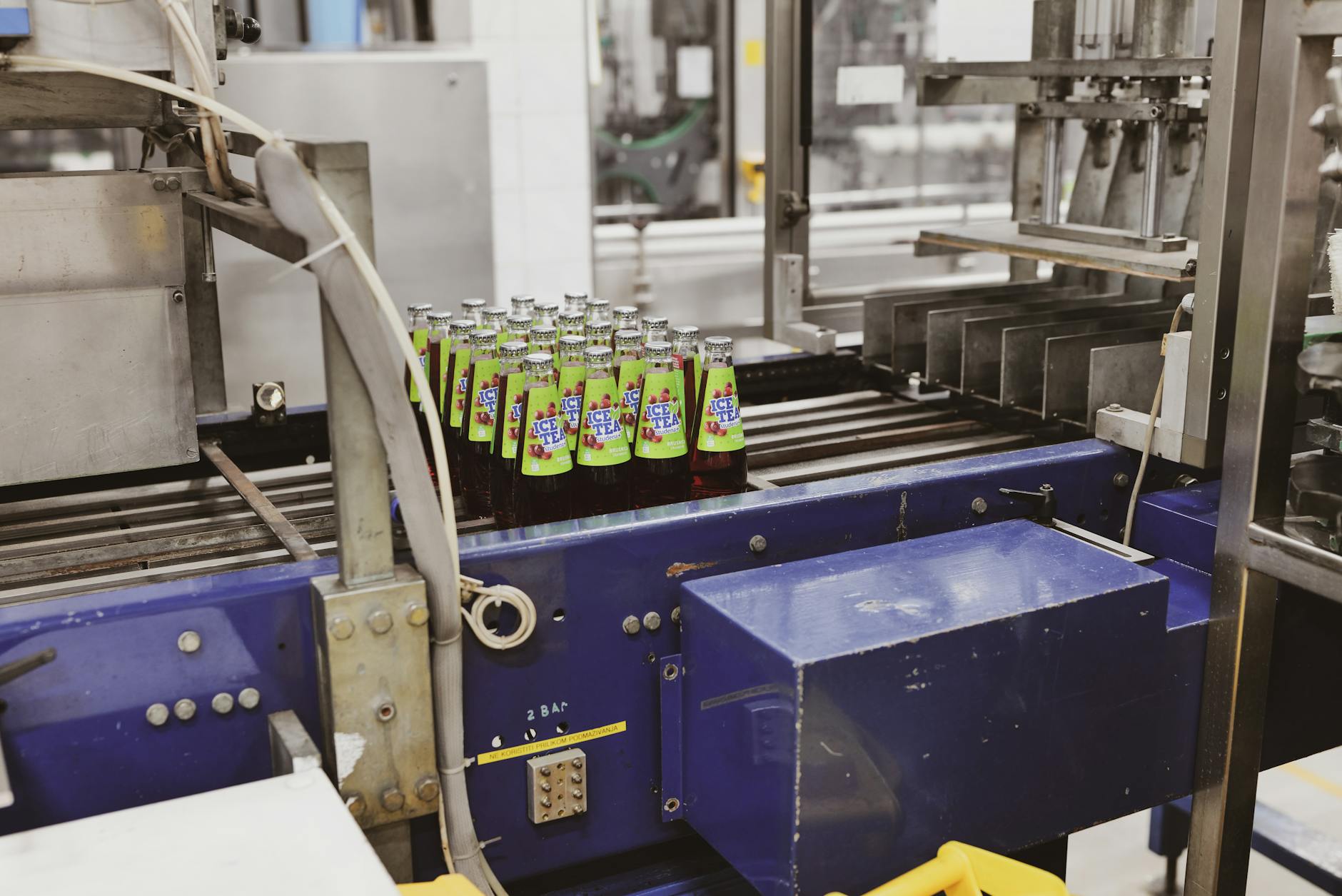
Photo by Vladimir Srajber on Pexels | Source
How Big Is This Recall Compared to Others?
To put this recall into perspective, 37 million pounds of frozen food is a staggering volume. For comparison, some of the most significant food recalls in recent U.S. history have involved tens of millions of pounds of product, but glass contamination recalls of this size are relatively rare. Most large-scale food recalls tend to involve biological contamination risks such as Listeria, Salmonella, or E. coli.
The sheer size of this recall suggests that the contamination concern may have originated early in the production process, potentially affecting a wide range of product batches manufactured over an extended period. This is what food safety investigators will be working to determine as the recall investigation continues.
According to reports, the recall was initiated voluntarily by the Portland company, which is a common first step when manufacturers identify a potential hazard in their production process. Voluntary recalls are typically coordinated with the FDA or USDA, depending on whether the products are classified as food items or meat and poultry products, which fall under separate regulatory oversight.
What Should Consumers Do Right Now?
Food safety authorities and health officials are urging the following steps for any consumer who may have purchased frozen foods from affected brands:
- Do not eat any product that has been identified as part of the recall, even if it appears visually normal
- Check your freezer immediately and cross-reference any frozen food products against the official recall list being updated by the FDA and USDA
- Do not donate recalled products to food banks or other charitable organizations, as this could expose vulnerable populations to harm
- Return or dispose of recalled products according to the guidance provided by the retailer or manufacturer — many stores are offering full refunds without requiring a receipt for recalled items
- Seek medical attention if you or anyone in your household has recently consumed frozen food products and is experiencing symptoms such as difficulty swallowing, abdominal pain, or bleeding
It is worth noting that symptoms from glass ingestion may not always be immediately apparent, and consumers are encouraged to err on the side of caution and consult a healthcare provider if there is any concern.

Photo by Anna Shvets on Pexels | Source
Retailer and Industry Response
Grocery retailers and food distributors who carry products from the affected Portland manufacturer are expected to pull items from shelves swiftly once notified. According to standard recall protocol, retailers must remove recalled items from display, quarantine them from other stock, and notify customers who may have purchased the products — particularly those with store loyalty cards or online accounts that allow purchase history tracking.
The frozen food industry as a whole is watching this recall closely. Glass contamination events tend to trigger broader industry reviews of production line safety protocols, particularly for companies using older manufacturing equipment or facilities undergoing maintenance. Industry observers note that this type of recall also tends to accelerate investment in automated optical inspection systems that can detect foreign materials earlier in the production process.
For the Portland company at the center of the recall, the reputational and financial consequences could be significant. A recall of this size involves substantial logistical costs — including product retrieval, destruction, and potential legal liability — as well as the long-term challenge of rebuilding consumer trust.
Staying Informed: Where to Find the Latest Updates
Consumers seeking the most current and detailed information about which specific products are included in the recall should consult the following official sources:
- FDA Recalls, Market Withdrawals, & Safety Alerts page at FDA.gov
- USDA Food Safety and Inspection Service (FSIS) recall and public health alert database at FSIS.USDA.gov
- KATU News and other local Portland media outlets, which have been actively tracking this story
As with all recalls of this magnitude, the list of affected products, lot numbers, and "best by" dates may continue to expand as investigators complete their review of production records. Consumers are advised to check back frequently on official sources rather than relying solely on initial reports, which may not capture the full scope of affected items.
This recall serves as a timely reminder of the importance of food safety infrastructure in the United States and the critical role that both regulatory agencies and manufacturers play in protecting public health. With 37 million pounds of potentially contaminated frozen food in the supply chain, the response over the coming days will be closely monitored by health authorities, industry professionals, and millions of American consumers alike.
Frequently Asked Questions
What frozen foods are being recalled in 2026 due to glass contamination?
A Portland, Oregon-based company has recalled approximately 37 million pounds of frozen food products over concerns that they may contain glass fragments. Consumers should check the FDA and USDA FSIS websites for the full and updated list of affected products, brands, and lot numbers.
How dangerous is glass contamination in frozen food?
Glass contamination in food is classified as a serious health hazard by the FDA and USDA. Ingesting glass fragments can cause lacerations to the mouth, throat, and digestive tract, and anyone who suspects they have consumed an affected product should seek medical attention.
What should I do if I have recalled frozen food at home?
Do not eat the product, even if it looks normal. Return it to the store for a full refund or dispose of it safely. Most retailers are accepting returns without a receipt for recalled items during an active safety recall.
Why did the Portland company recall 37 million pounds of frozen food?
The recall was initiated voluntarily by the company after concerns emerged that glass fragments may be present in the frozen food products. The exact source of the contamination is under active investigation by food safety authorities.
Where can I find the official list of recalled frozen food products?
The most accurate and up-to-date recall information can be found on the FDA's official recalls page at FDA.gov and the USDA Food Safety and Inspection Service database at FSIS.USDA.gov. Local news outlet KATU is also actively covering updates.


