

OPEC+ Boosts Oil Output Amid Middle East Chaos — What It Really Means for You
Just when the global economy was bracing for an oil price shock from the escalating conflict in the Middle East, OPEC+ threw markets a curveball. The cartel announced an accelerated increase in oil production, even as U.S. and Israeli strikes on Iran, retaliatory Iranian attacks, and regional instability rattled energy markets worldwide. If you've been watching gas prices creep upward at the pump and wondering what's really going on, this post breaks it all down in plain language.
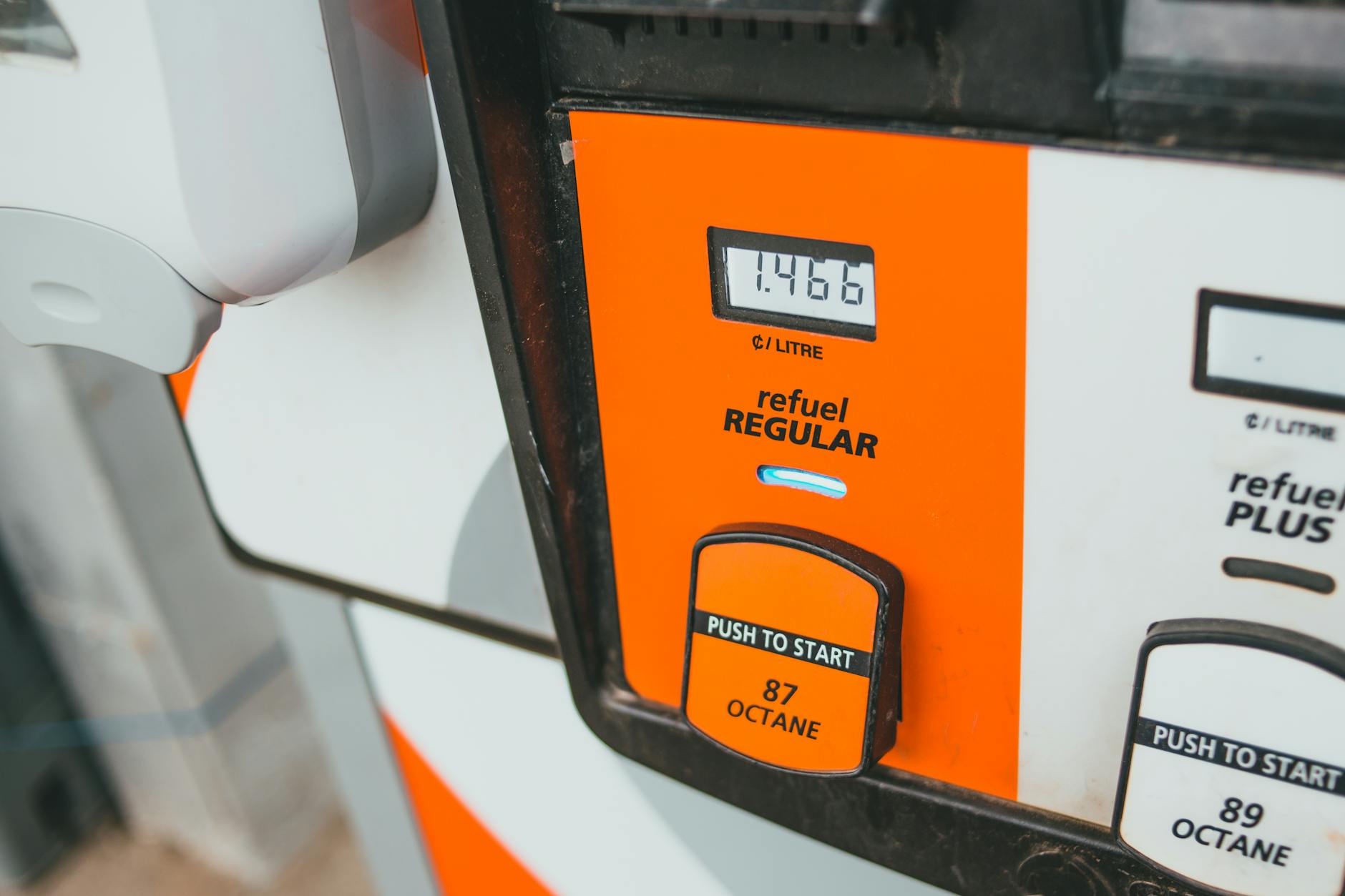
Photo by Erik Mclean on Pexels | Source
What Did OPEC+ Actually Decide?
In late February 2026, OPEC+ — the alliance of major oil-producing nations led by Saudi Arabia and Russia — agreed to proceed with a planned increase in crude output. The move comes as part of a phased unwinding of the deep production cuts the group had maintained over the past two years to prop up oil prices.
Here's what you need to know about the decision:
- Higher output targets: OPEC+ members agreed to gradually add barrels back to the market, reversing cuts that had been in place since 2023-2024.
- Saudi Arabia's calculus: Riyadh appears to be seizing a strategic moment — flooding the market slightly while regional rivals like Iran are economically and militarily weakened.
- Russia's motivation: Facing continued Western sanctions and budget pressures, Moscow needs oil revenue and welcomed the chance to pump more.
- UAE participation: Despite halting its stock markets for two days following Iranian strikes on Dubai, the UAE remains an active OPEC+ participant and is expected to comply with the new output schedule.
The decision is significant because it runs counter to what most analysts expected — a production freeze or even cuts in response to the conflict-driven supply uncertainty.
Why Would OPEC+ Boost Production During a War?
This is the question on every energy analyst's mind right now. At first glance, it seems counterintuitive. When conflict disrupts supply, cartel members typically hold back output to capitalize on higher prices. So why the different playbook this time?
1. Geopolitical opportunity Saudi Arabia and Iran have long been rivals for regional dominance. With Iran's oil infrastructure under pressure and the country economically isolated, Gulf Arab producers may see an opening to capture Iran's market share — particularly in Asia, where China and India have been major buyers of discounted Iranian crude.
2. Appeasing the United States With U.S. forces actively engaged in strikes on Iranian targets, Gulf producers — particularly Saudi Arabia and the UAE — have strong incentives to maintain Washington's goodwill. Boosting oil output helps keep global prices from spiking too sharply, which is exactly what the Trump administration wants ahead of U.S. midterms.
3. Avoiding demand destruction Cartel members are well aware that prolonged high oil prices accelerate the shift to electric vehicles and renewables. A modest output increase now keeps prices high enough to be profitable but low enough to avoid triggering a mass consumer exodus from fossil fuels.
4. Internal discipline concerns Some OPEC+ members, particularly smaller producers in Africa, had already been quietly exceeding their quotas. Formalizing a production increase brings those rogue barrels back into the official framework and maintains cartel cohesion.

Photo by Jeffry Surianto on Pexels | Source
How Iranian Attacks Are Disrupting Global Oil Supply
The other side of this energy equation is the very real disruption Iran has caused. Since U.S. and Israeli forces struck Iranian military and nuclear infrastructure, Tehran has retaliated with attacks across the region — and the energy sector has not been spared.
Strait of Hormuz concerns: Iran has long threatened to close the Strait of Hormuz, the narrow waterway through which approximately 20% of the world's oil supply passes daily. While the strait remains open as of this writing, shipping insurance costs have skyrocketed, and several major tanker operators have rerouted vessels.
Attacks on Gulf infrastructure: Iranian-backed forces have targeted energy facilities in the broader region. The strikes on Dubai — a regional financial and logistics hub — rattled investor confidence and briefly disrupted port operations that are critical to fuel distribution chains.
Air travel disruptions: The closure or restriction of airspace across parts of the Middle East has created cascading delays affecting cargo, including oil industry equipment and personnel.
The net effect? Global oil markets are caught in a tug-of-war between OPEC+ supply increases on one side and genuine logistical and geopolitical disruptions on the other.
What Does This Mean for Gas Prices at the Pump?
Let's cut to the question that actually affects your day-to-day life: will you pay more at the gas station?
The honest answer is: it's complicated, but here's the short-term outlook:
- OPEC+ output increase → downward pressure on crude prices
- Middle East disruptions and shipping reroutes → upward pressure on refined product costs
- Dollar surge → partially offsets crude price increases for U.S. consumers (since oil is priced in dollars, a stronger dollar typically means lower import costs)
- Seasonal demand increase heading into spring and summer → upward pressure
Most energy economists expect U.S. retail gasoline prices to remain volatile in the $3.20–$3.80 range nationally through mid-2026, with significant regional variation depending on refinery capacity and local taxes. Prices in coastal cities with high baseline costs could push higher if Strait of Hormuz tensions escalate.
For European consumers, the picture is somewhat bleaker. Europe is further from U.S. shale production and more exposed to Middle East supply routes, meaning pump prices there are likely to remain elevated for longer.
The Broader Market Impact You Shouldn't Ignore
Beyond the gas station, the OPEC+ decision and Middle East conflict are reshaping financial markets in ways worth tracking:
Energy stocks: Shares of major oil producers — ExxonMobil, Chevron, BP, Shell — have benefited from elevated crude prices, even as the broader market remains jittery. Energy ETFs have outperformed the S&P 500 over the past month.
Airline stocks: Carriers are getting squeezed by higher jet fuel costs on one side and disrupted Middle East routes on the other. Watch for earnings revisions from major airlines in the coming weeks.
Shipping and logistics: Companies exposed to Red Sea and Gulf of Oman routes continue to see elevated costs. This feeds into broader inflation pressures across supply chains.
Inflation expectations: Energy is a critical input across almost every industry. A sustained spike in oil prices would complicate the Federal Reserve's efforts to keep inflation in check, potentially affecting interest rate decisions later in 2026.
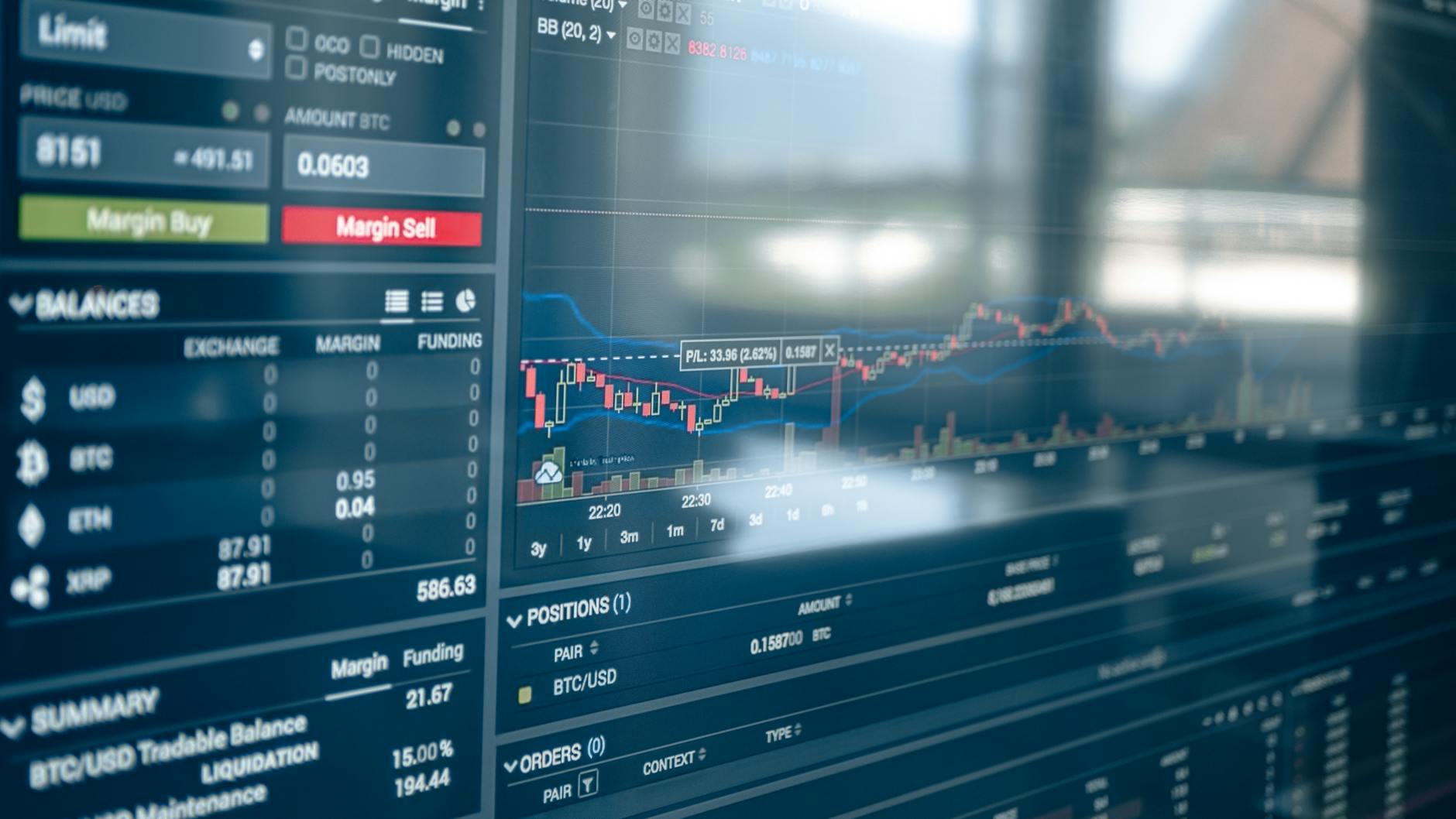
Photo by George Morina on Pexels | Source
What Should You Do Right Now?
Whether you're a consumer, investor, or small business owner, here's actionable guidance for navigating the current energy uncertainty:
For consumers:
- Consider locking in winter heating oil contracts if your region uses oil heat — prices may spike further if the conflict escalates.
- If you've been on the fence about an EV, the continued volatility in gas prices strengthens the financial case for switching.
- Check your utility provider for any energy price hedging options or fixed-rate plans.
For investors:
- Diversified energy exposure through ETFs (rather than single-stock bets) remains a prudent hedge against Middle East uncertainty.
- Watch for OPEC+ compliance data in the coming weeks — if members cheat on quotas and actually produce above agreed levels, it could push crude prices lower than the market currently expects.
- Gold, traditionally a conflict hedge, has already rallied. Late entries carry more risk.
For businesses:
- If your operation is fuel-intensive (logistics, manufacturing, food service), now is the time to review energy cost forecasts and consider fuel hedging strategies.
- Assess your supply chain exposure to Middle East-routed goods and identify alternative suppliers or routes proactively.
The Big Picture
What we're witnessing in global energy markets right now is genuinely historic. The combination of an active military conflict involving the United States, the world's largest oil-producing cartel making a bold counter-intuitive move, and a dollar surging as a safe-haven currency creates a degree of complexity that even seasoned energy traders find daunting.
The OPEC+ output hike is a calculated gamble — one that reflects the geopolitical ambitions of Gulf states as much as pure economics. Whether it successfully stabilizes prices or merely delays a sharper spike depends heavily on how the conflict evolves over the next 30–60 days.
One thing is certain: the era of cheap, stable, predictable oil is firmly behind us. Staying informed and adaptable is the best strategy you have.
FAQ
What is OPEC+ and why does its output decision matter? OPEC+ is an alliance of 23 oil-producing nations, including OPEC members and non-OPEC countries like Russia. Together they control a significant share of global crude supply, so their production decisions directly influence world oil prices and, by extension, gasoline prices consumers pay at the pump.
How much will gas prices rise because of the Iran conflict in 2026? Most analysts expect U.S. national average gasoline prices to remain in the $3.20–$3.80 range in the near term, though regional variation is significant. A major escalation — particularly any closure of the Strait of Hormuz — could push prices sharply higher in a short period.
Is the Strait of Hormuz actually at risk of closing? As of early March 2026, the Strait of Hormuz remains open, but shipping insurance costs have surged and some tanker operators have rerouted. Iran has repeatedly threatened to close the strait in past crises but has never followed through, partly because many of its own oil exports also transit the waterway.
Should I invest in oil stocks during the Middle East conflict? Energy stocks have benefited from elevated crude prices, but individual stock picking carries risk. A diversified energy ETF may offer more balanced exposure. Always consider your risk tolerance and investment horizon before making changes to your portfolio based on geopolitical events.
Why did OPEC+ increase production during a war instead of cutting it? Several factors drove the decision: Gulf producers like Saudi Arabia see an opportunity to capture Iran's market share while Tehran is weakened; there is political incentive to keep prices from spiking too sharply to maintain U.S. goodwill; and prolonged high prices risk accelerating the long-term shift away from fossil fuels, which OPEC+ members want to avoid.
Frequently Asked Questions
What is OPEC+ and why does its output decision matter?
OPEC+ is an alliance of 23 oil-producing nations, including OPEC members and non-OPEC countries like Russia. Together they control a significant share of global crude supply, so their production decisions directly influence world oil prices and, by extension, gasoline prices consumers pay at the pump.
How much will gas prices rise because of the Iran conflict in 2026?
Most analysts expect U.S. national average gasoline prices to remain in the $3.20–$3.80 range in the near term, though regional variation is significant. A major escalation — particularly any closure of the Strait of Hormuz — could push prices sharply higher in a short period.
Is the Strait of Hormuz actually at risk of closing?
As of early March 2026, the Strait of Hormuz remains open, but shipping insurance costs have surged and some tanker operators have rerouted. Iran has repeatedly threatened to close the strait in past crises but has never followed through, partly because many of its own oil exports also transit the waterway.
Should I invest in oil stocks during the Middle East conflict?
Energy stocks have benefited from elevated crude prices, but individual stock picking carries risk. A diversified energy ETF may offer more balanced exposure. Always consider your risk tolerance and investment horizon before making changes to your portfolio based on geopolitical events.
Why did OPEC+ increase production during a war instead of cutting it?
Several factors drove the decision: Gulf producers like Saudi Arabia see an opportunity to capture Iran's market share while Tehran is weakened; there is political incentive to keep prices from spiking too sharply to maintain U.S. goodwill; and prolonged high prices risk accelerating the long-term shift away from fossil fuels, which OPEC+ members want to avoid.


