

Samsung Galaxy S26 vs. Apple iPhone 17: Which Should You Buy in 2026?
Two titans. One decision. If you're standing at the crossroads of the Android and iOS universes in 2026, the Samsung Galaxy S26 and Apple iPhone 17 are the two flagship phones most likely to dominate your shortlist. Both devices represent the absolute best their respective ecosystems have to offer — and both come at a serious price. So how do you decide?
We've dug into the specs, real-world performance, camera systems, battery life, AI features, and value propositions to give you a clear, no-nonsense comparison. Whether you're a longtime Android devotee or an Apple loyalist tempted to switch, this guide is for you.
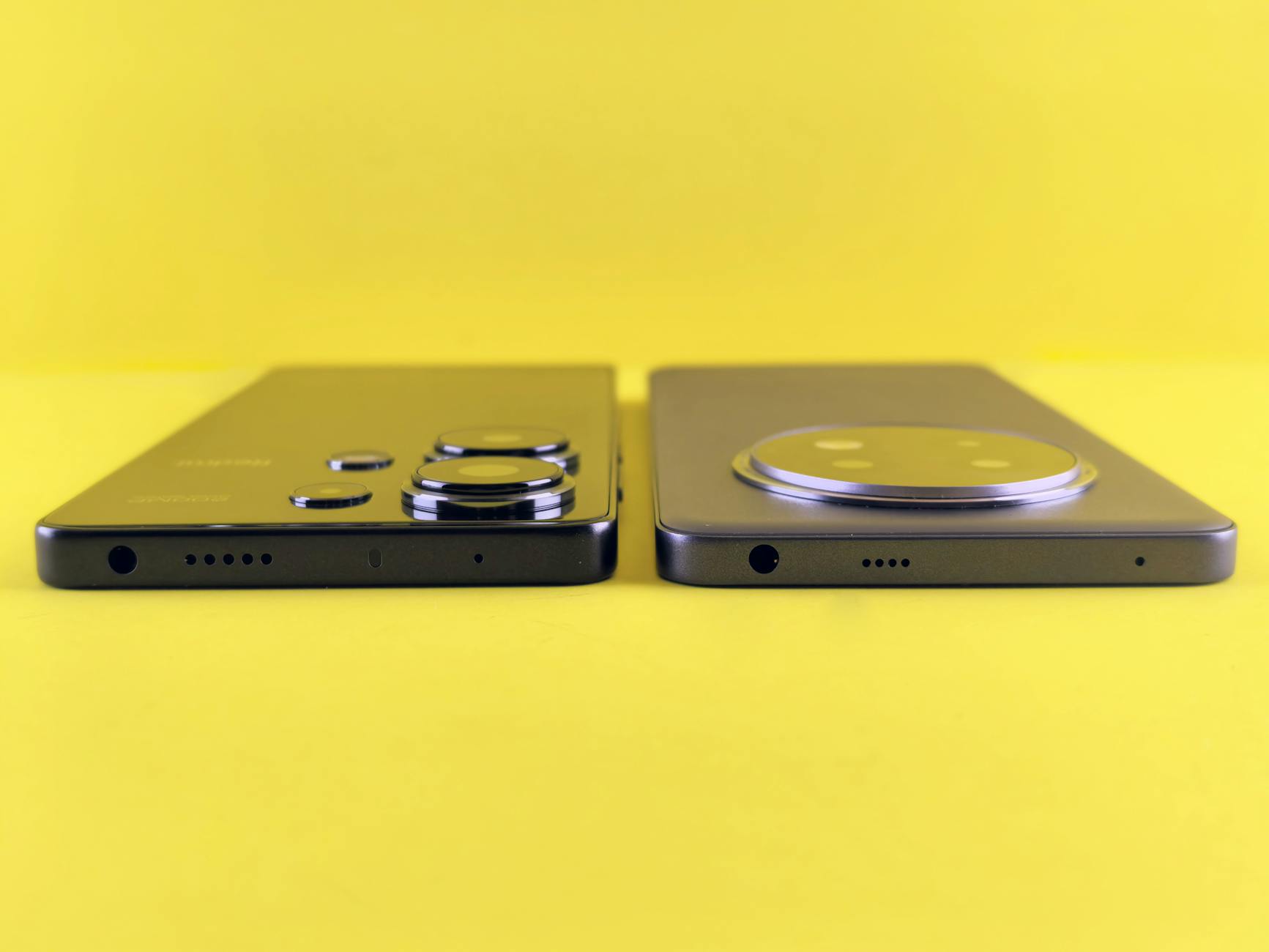
Photo by Andrey Matveev on Pexels | Source
Design & Display: Premium Looks, Different Philosophies
Both phones look stunning — no surprises there. But they take distinctly different approaches to design.
The Samsung Galaxy S26 continues Samsung's evolution toward tighter bezels and a more refined flat-edge profile. It features a 6.2-inch Dynamic AMOLED 2X display with a 120Hz adaptive refresh rate and peak brightness pushing well above 2,600 nits, making it one of the most vivid panels available on any smartphone. The Galaxy S26 is notably more compact than its Ultra sibling, making it a strong choice if you want power in a more pocketable form.
The Apple iPhone 17, meanwhile, arrives with a 6.1-inch Super Retina XDR OLED display, refining ProMotion 120Hz technology and delivering Apple's signature color accuracy with True Tone and always-on functionality. Apple has also redesigned the camera bar across the iPhone 17 lineup, giving the standard model a refreshed aesthetic that's cleaner and more modern than previous generations.
Winner: If raw display brightness and Android customization appeal to you, the S26 edges ahead. If you prioritize color calibration and software-display integration, iPhone 17 is tough to beat.
Performance: Snapdragon 8 Elite vs. A19 Bionic
This is where things get truly impressive — and genuinely close.
The Galaxy S26 is powered by the Qualcomm Snapdragon 8 Elite (2nd Gen), a chip that delivers exceptional multi-core performance, impressive thermal efficiency, and a dedicated NPU for on-device AI tasks. Paired with up to 12GB of RAM, multitasking on the S26 is buttery smooth.
The iPhone 17 runs Apple's A19 Bionic chip, continuing Apple's tradition of leading the industry in single-core performance and ML acceleration. The A19 is particularly strong in tasks like video encoding, AR applications, and sustained workloads over time — Apple's thermal management remains best-in-class.
Benchmark results from early 2026 testing show the two chips trading blows depending on the workload:
- Single-core tasks: iPhone 17 (A19) leads
- Multi-core and gaming: S26 (Snapdragon 8 Elite) competes closely
- AI/ML inference: Extremely close; both excel in on-device AI processing
Winner: Tie — it depends on your use case. iPhone 17 wins for raw efficiency; Galaxy S26 wins for multitasking headroom.
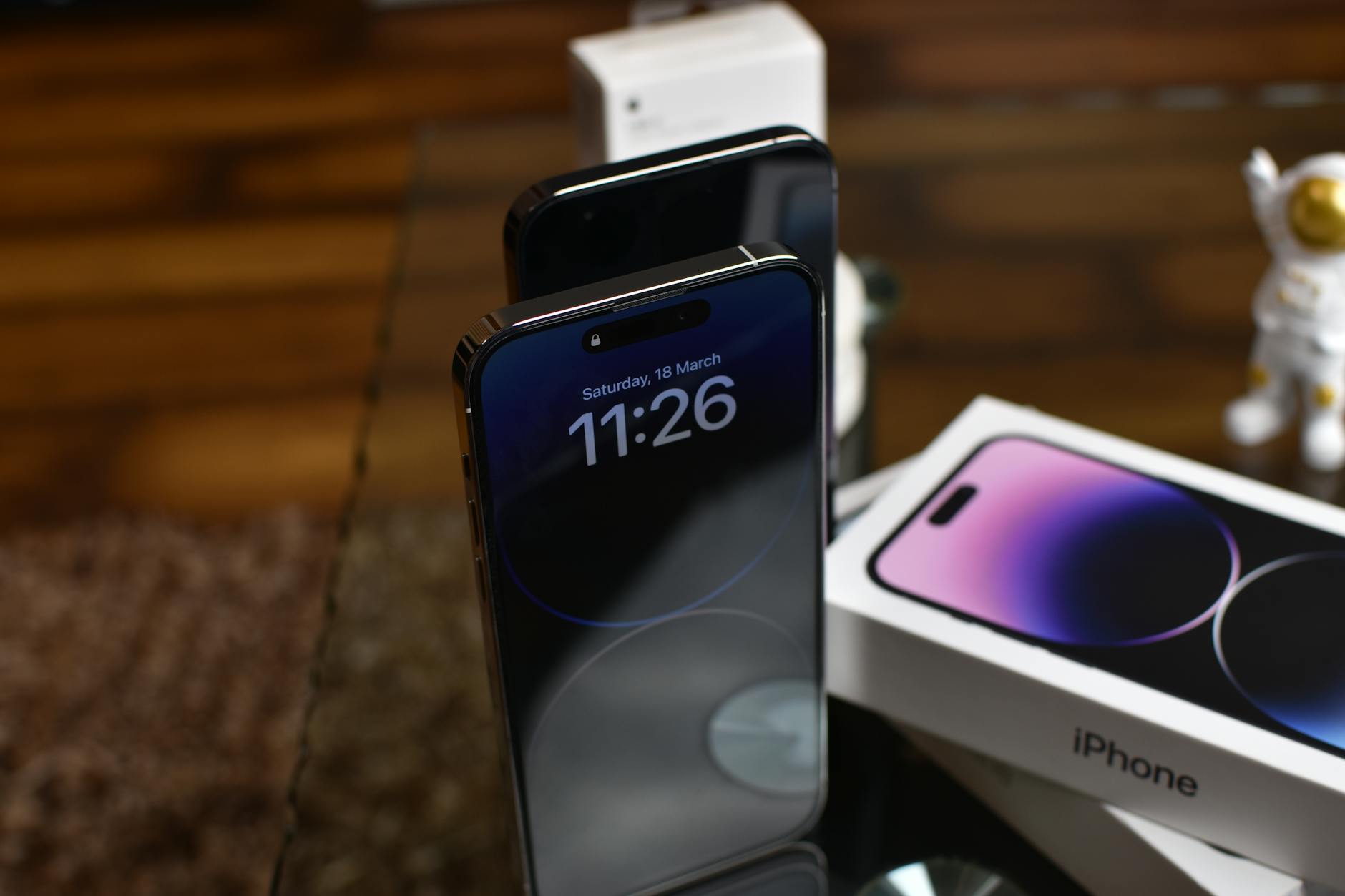
Photo by Avinash Kumar on Pexels | Source
Camera System: A Tale of Two Philosophies
For most people, the camera is the deciding factor. And this is where the two phones diverge most sharply in philosophy.
Samsung Galaxy S26 cameras:
- 200MP main sensor with enhanced pixel-binning
- 12MP ultrawide
- 10MP 3x telephoto
- Nightography AI enhancements
- ProVisual Engine with real-time AI scene optimization
Apple iPhone 17 cameras:
- 48MP Fusion main camera
- 12MP ultrawide with improved macro capability
- 12MP 2x optical zoom (optical quality from larger sensor crop)
- Photonic Engine with advanced computational photography
- 4K 120fps video recording
Samsung's 200MP sensor gives it a raw resolution advantage, particularly for cropping and zooming into shots after the fact. The Nightography system has also matured significantly, producing cleaner low-light results than ever before.
Apple, however, continues to lead in video quality and color science consistency. The iPhone 17's video processing — especially in 4K HDR and LOG formats for professionals — remains the gold standard for a smartphone. Skin tones are more natural, and footage straight out of the camera requires less color grading.
Winner: Galaxy S26 for photography enthusiasts who want resolution and zoom flexibility. iPhone 17 for videographers and users who want natural, consistent results with minimal editing.
AI Features: Galaxy AI vs. Apple Intelligence
AI is no longer a gimmick on flagship phones — it's a core feature set in 2026.
Galaxy AI on the S26 includes live translation, Circle to Search integration, AI-powered photo editing (generative fill, object eraser), and Note Assist. Samsung has also deepened its integration with Google Gemini as a default assistant, giving S26 users access to one of the most capable conversational AI models on Android.
Apple Intelligence on the iPhone 17 has continued to mature since its initial rollout. Writing tools, priority notifications, Smart Reply, and the redesigned Siri (now genuinely useful for complex multi-step tasks) make the iPhone 17 one of the most contextually aware phones available. Apple's privacy-first approach — with most AI processing happening on-device — remains a key differentiator for privacy-conscious users.
Winner: Samsung Galaxy S26 for breadth and flexibility of AI tools. iPhone 17 for privacy-first AI with tighter system integration.
Battery Life & Charging
- Galaxy S26: 4,000mAh battery, 25W wired charging, 15W wireless
- iPhone 17: Larger battery than iPhone 16 (exact capacity not disclosed by Apple), 25W wired, 15W MagSafe wireless
Both phones offer solid all-day battery life in real-world testing. The Galaxy S26's Snapdragon 8 Elite's efficiency improvements mean it lasts noticeably longer than the S25 did in 2025. The iPhone 17 also benefits significantly from A19 Bionic efficiency gains.
One area Samsung still lags: charging speeds. While 25W is fine, competitors like Xiaomi offer 90W+ fast charging. Apple's 25W wired charging is similarly modest by 2026 standards.
Winner: Tie — both deliver reliable all-day performance. Neither leads on charging speed at this tier.

Photo by 0xk on Unsplash | Source
Price & Value
- Samsung Galaxy S26: Starting at approximately $799
- Apple iPhone 17: Starting at approximately $799
Both phones launch at the same entry price point, making the decision almost entirely about ecosystem preference and feature priorities. Samsung regularly offers aggressive trade-in deals and bundled accessories, while Apple's ecosystem lock-in (AirPods, Apple Watch, iCloud, MacBook continuity) adds intangible value for existing Apple users.
Ecosystem: The Real Deciding Factor
Let's be honest — for many readers, the ecosystem question settles this debate before you even look at specs:
- Deep into Apple ecosystem (MacBook, iPad, Apple Watch, AirPods)? iPhone 17 will integrate seamlessly in ways no Android phone can match.
- On Windows/PC, use Google services, prefer customization? Galaxy S26 with Samsung DeX, Google Gemini integration, and Android's open flexibility is your natural home.
Final Verdict: Which Should You Buy?
| Feature | Galaxy S26 | iPhone 17 |
|---|---|---|
| Display | ⭐⭐⭐⭐⭐ | ⭐⭐⭐⭐ |
| Performance | ⭐⭐⭐⭐⭐ | ⭐⭐⭐⭐⭐ |
| Camera (Photo) | ⭐⭐⭐⭐⭐ | ⭐⭐⭐⭐ |
| Camera (Video) | ⭐⭐⭐⭐ | ⭐⭐⭐⭐⭐ |
| AI Features | ⭐⭐⭐⭐⭐ | ⭐⭐⭐⭐ |
| Battery | ⭐⭐⭐⭐ | ⭐⭐⭐⭐ |
| Ecosystem | Android | iOS |
Choose the Galaxy S26 if you want maximum AI flexibility, higher-resolution cameras, a vibrant display, and prefer Android's openness.
Choose the iPhone 17 if you're already in the Apple ecosystem, prioritize video quality, value privacy-first AI, and want the smoothest iOS experience money can buy.
The truth is — you can't make a wrong choice here. Both are exceptional phones. The right one is simply the one that fits your life.
Frequently Asked Questions
Is the Samsung Galaxy S26 better than the iPhone 17?
It depends on your priorities. The Galaxy S26 wins in display brightness, camera resolution, and AI feature breadth, while the iPhone 17 leads in video quality, single-core performance, and ecosystem integration. Neither phone is objectively 'better' — it comes down to your ecosystem and use case.
What is the price difference between the Galaxy S26 and iPhone 17?
Both phones start at approximately $799 for their base configurations in 2026, making them direct competitors at the same price tier. Samsung often sweetens the deal with trade-in offers and accessories bundles.
Which phone has a better camera in 2026, Galaxy S26 or iPhone 17?
The Galaxy S26's 200MP main sensor gives it a resolution and zoom flexibility advantage for photography, while the iPhone 17's Photonic Engine and 4K 120fps video capabilities make it the superior choice for videographers and content creators.
Should I switch from iPhone to Samsung Galaxy S26 in 2026?
Switching makes sense if you're frustrated with Apple's ecosystem restrictions, want more AI flexibility, or prefer Android's customization. However, if you use other Apple devices like a MacBook, Apple Watch, or AirPods, the seamless integration of iPhone 17 offers significant advantages that are hard to replicate on Android.
Which phone has better battery life — Galaxy S26 or iPhone 17?
Both phones offer solid all-day battery life thanks to efficient next-generation chips. Real-world testing shows them performing closely, with neither holding a definitive lead in everyday usage scenarios.


